
New Study: Microplastics Generate DNA-Damaging Radicals in Water
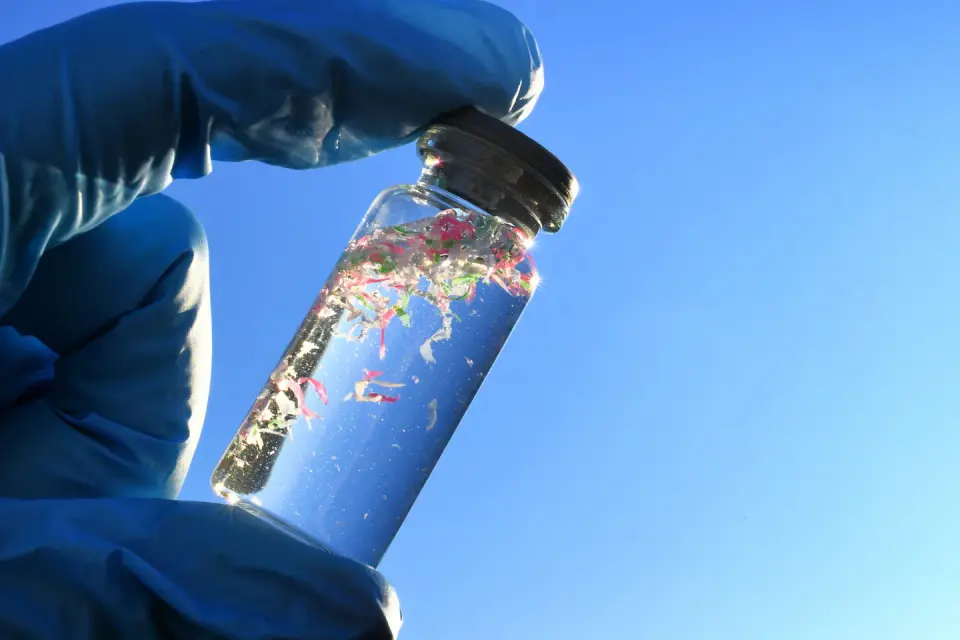
A new study published in Nature reveals that microplastics are not chemically inert when exposed to water. Researchers from Columbia University and UC Berkeley found that microplastics spontaneously generate hydroxyl free radicals, which can damage DNA, proteins, and red blood cells. This challenges the long-held belief that plastics are stable and safe, suggesting a new mechanism for how microplastics cause oxidative stress and cellular damage in the human body.
Key points
- Microplastics generate hydroxyl free radicals when in contact with water, a process that occurs spontaneously at the plastic-water interface.
- The most hydrophobic (water-repelling) plastics, such as polyethylene and polypropylene, are the most reactive and produce the highest levels of free radicals.
- In lab tests, these free radicals caused mouse red blood cells to warp and fragment, and led to the clumping of lysozyme, a protein found in human bodily fluids.
- The study suggests that the water-rich environment of the human body may amplify the toxic effects of microplastics, potentially contributing to oxidative stress and cellular damage.
- Researchers are now using animal studies to investigate how microplastics migrate into fetal tissue during gestation and are exploring ways to reduce human exposure.
Background
This finding builds on earlier reports from our archive (Oct 16-23, 2026) that first highlighted the discovery of hydroxyl radical generation by microplastics in water. The new study provides a detailed mechanistic explanation for this phenomenon, linking it to the hydrophobicity of the plastic and its impact on water's molecular structure.
How outlets are covering it
The Washington Post and ScienceAlert emphasize the fundamental shift in understanding plastic as a chemically inert material, highlighting the new evidence of free radical generation. Harvard Health focuses on the broader health implications, noting that microplastics have been found in various human tissues and are associated with conditions like heart disease, obesity, and infertility, though it stresses that causal links are still being established. JK Monitor provides a global perspective, citing estimates that 10 to 40 million metric tons of microplastics are released into the environment annually and linking the issue to broader environmental and public health crises, including reproductive health and cancer risks.
Why it matters
This research challenges the foundational assumption that plastics are safe and inert, suggesting that their interaction with water in the human body may be a primary driver of their toxic effects. This has significant implications for public health policy, environmental regulation, and the development of new, safer plastic alternatives.
What to watch
Researchers are continuing to study the long-term health impacts of microplastics, including their effects on fetal development and potential links to chronic diseases. The US Department of Health and Human Services has already launched the $144 million STOMP program to address microplastic exposure, and scientists are exploring ways to redesign plastic chemistry to reduce its toxic interactions with water.
- Why scientists no longer think plastic is the safest material around The Washington Post
- Microplastics: A hidden health threat? Harvard Health
- Microplastics Aren't Inert After All: In Water, They Make DNA-Damaging Free Radicals ScienceAlert
- Plastic in our blood and brain: The invisible invasion threatening human health, fertility and life itself JK MONITOR
- Plastic pollution isn't just in our oceans. It's in our bodies Fernandina Observer
Want the full story? Read the original reporting
Read on The Washington Post