
Rediscovery of the Rete Ovarii Challenges Century-Old Medical Assumptions
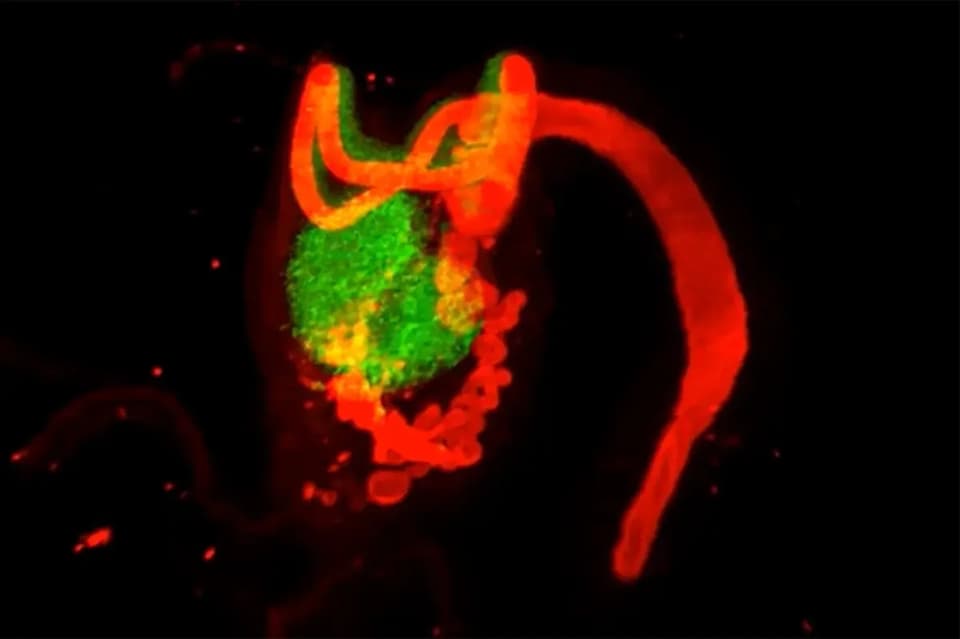
A 2024 study by researchers at the University of Michigan has revived interest in the rete ovarii, a small horseshoe-shaped structure in the female reproductive system that was removed from medical textbooks over a century ago because it was deemed functionless. The research, published in eLife, demonstrates that this 'mysterious orphan structure' is not vestigial but actively secretes fluids and interacts with the nervous, circulatory, and immune systems. Findings indicate the rete ovarii contains receptors for estrogen and progesterone and releases proteins involved in egg maturation and follicle maintenance. This rediscovery has sparked social media backlash against historical medical neglect of female anatomy, with critics noting that the male equivalent, the rete testis, remains in standard textbooks.
Key points
- The rete ovarii, first discovered in 1870, was omitted from editions of Gray's Anatomy and other medical texts after being labeled useless, despite persisting from birth to adulthood.
- A 2024 study by Dilara Anbarci and colleagues at the University of Michigan identified three distinct regions of the structure: intraovarian, extraovarian, and connecting rete.
- Experiments showed that fluid injected into the extraovarian rete flowed toward the ovary, suggesting a functional role in ovarian health and fertility.
- The structure possesses receptors for estrogen and progesterone, with protein activity increasing as estrogen levels rise, indicating a response to hormonal cycles.
- The rete ovarii is associated with blood vessels, nerves, and macrophages, linking it to the circulatory, nervous, and immune systems.
- Social media figures, including comedian Michelle Wolf, have criticized the medical establishment for erasing female anatomical structures, contrasting this with the continued inclusion of the male rete testis in textbooks.
Background
This development follows broader trends in re-evaluating historical medical knowledge and addressing gaps in female health research. While unrelated to the 2026 Harvard settlement regarding body donation scandals or the GM supply chain deals, it aligns with recent advancements in whole-body imaging technologies that aim to uncover hidden physiological circuits. The current rediscovery highlights a long-standing disparity in the thoroughness of research dedicated to female anatomy compared to male anatomy, a theme often discussed in public discourse regarding medical bias.
Why it matters
The rediscovery of the rete ovarii challenges the historical dismissal of female anatomical structures and underscores the need for comprehensive research into women's health. By confirming that this long-overlooked organ plays a role in fertility and ovarian maintenance, the findings may lead to new diagnostic tools or treatments for reproductive issues. Furthermore, the public reaction highlights ongoing concerns about gender bias in medical education and research, potentially influencing future funding and curriculum standards in anatomy and gynecology.
What to watch
Researchers expect further studies to clarify the specific mechanisms by which the rete ovarii influences egg maturation and follicle health. The findings may prompt a review of medical textbooks to reinstate the structure and update educational materials. Additionally, the social media momentum may drive increased public and academic interest in auditing other overlooked aspects of female anatomy, potentially leading to new grants and research initiatives focused on reproductive health.
Want the full story? Read the original reporting
Read on New York Post