Tag

Medical History

All articles tagged with #medical history

Ten Historical Medical Mysteries Solved by Toxicology
health-and-science4 days ago

Ten Historical Medical Mysteries Solved by Toxicology

A recent compilation highlights ten historical medical mysteries that were eventually identified as cases of poisoning rather than infectious diseases or genetic disorders. These incidents, ranging from the 18th century to the 1990s, involved toxins such as mercury, lead, arsenic, and industrial chemicals entering the human body through food, water, medicine, or consumer products. Key examples include Minamata disease in Japan, caused by methylmercury from industrial waste; the 'Jake Walk' epidemic in the US, linked to adulterated Prohibition-era alcohol; and endemic arsenicosis in Bangladesh, where millions were exposed to naturally occurring arsenic in groundwater. These cases demonstrate how modern toxicology has resolved long-standing medical puzzles, revealing that many mysterious outbreaks were actually mass poisonings hidden in plain sight.


Four Family Health Patterns Doctors Want You to Track
health15 days ago

Four Family Health Patterns Doctors Want You to Track

Dr. Akshay Syal, an internal medicine physician and NBC News contributor, outlines four key indicators in family medical history that may signal elevated health risks. These include diseases diagnosed at unusually young ages, multiple relatives on the same side of the family sharing a condition, specific cancer patterns, and known genetic mutations. Identifying these factors allows doctors to adjust screening schedules and prevention strategies, though they do not guarantee the development of a disease.

Rediscovery of the Rete Ovarii Challenges Century-Old Medical Assumptions
science-and-health23 days ago

Rediscovery of the Rete Ovarii Challenges Century-Old Medical Assumptions

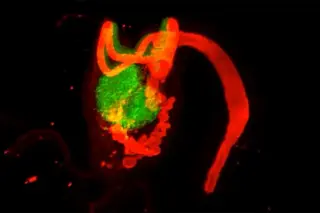
A 2024 study by researchers at the University of Michigan has revived interest in the rete ovarii, a small horseshoe-shaped structure in the female reproductive system that was removed from medical textbooks over a century ago because it was deemed functionless. The research, published in eLife, demonstrates that this 'mysterious orphan structure' is not vestigial but actively secretes fluids and interacts with the nervous, circulatory, and immune systems. Findings indicate the rete ovarii contains receptors for estrogen and progesterone and releases proteins involved in egg maturation and follicle maintenance. This rediscovery has sparked social media backlash against historical medical neglect of female anatomy, with critics noting that the male equivalent, the rete testis, remains in standard textbooks.

The Rise, Fall, and Revival of Testosterone in Medicine
health9 months ago

The Rise, Fall, and Revival of Testosterone in Medicine

The article discusses the historical decline and recent resurgence of testosterone therapy in medicine, highlighting how misconceptions, particularly linking testosterone to prostate cancer, led to its decline. Abraham Morgentaler played a key role in challenging these beliefs through clinical evidence, showing that testosterone therapy is safe for men with hypogonadism and emphasizing the importance of considering individual patient experiences. The piece also explores the cultural and medical biases that have hindered the acceptance of testosterone treatment.

Ancient Egyptian Skull Shows Early Cancer Surgery Attempts
archaeologymedicine2 years ago

Ancient Egyptian Skull Shows Early Cancer Surgery Attempts

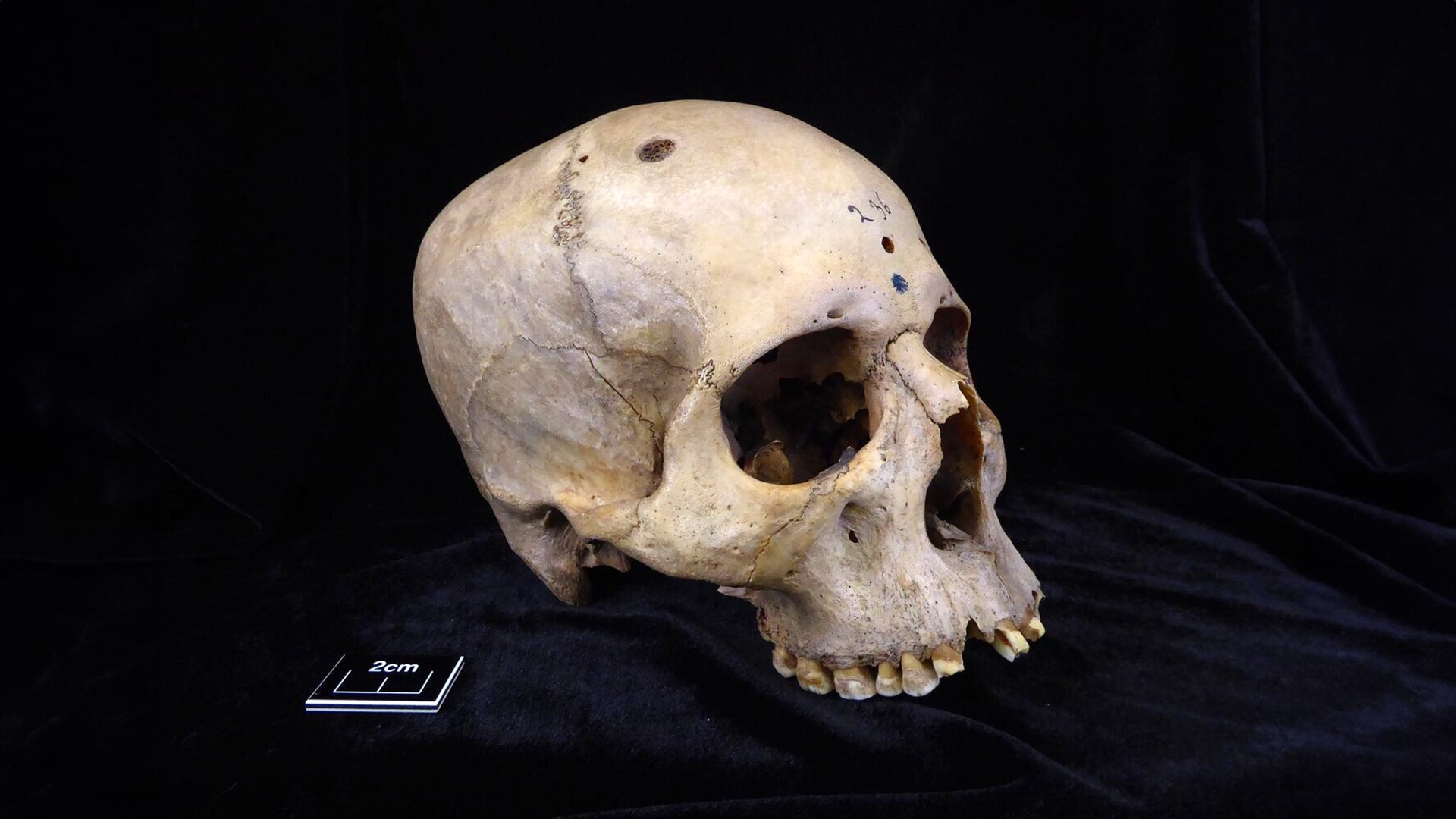
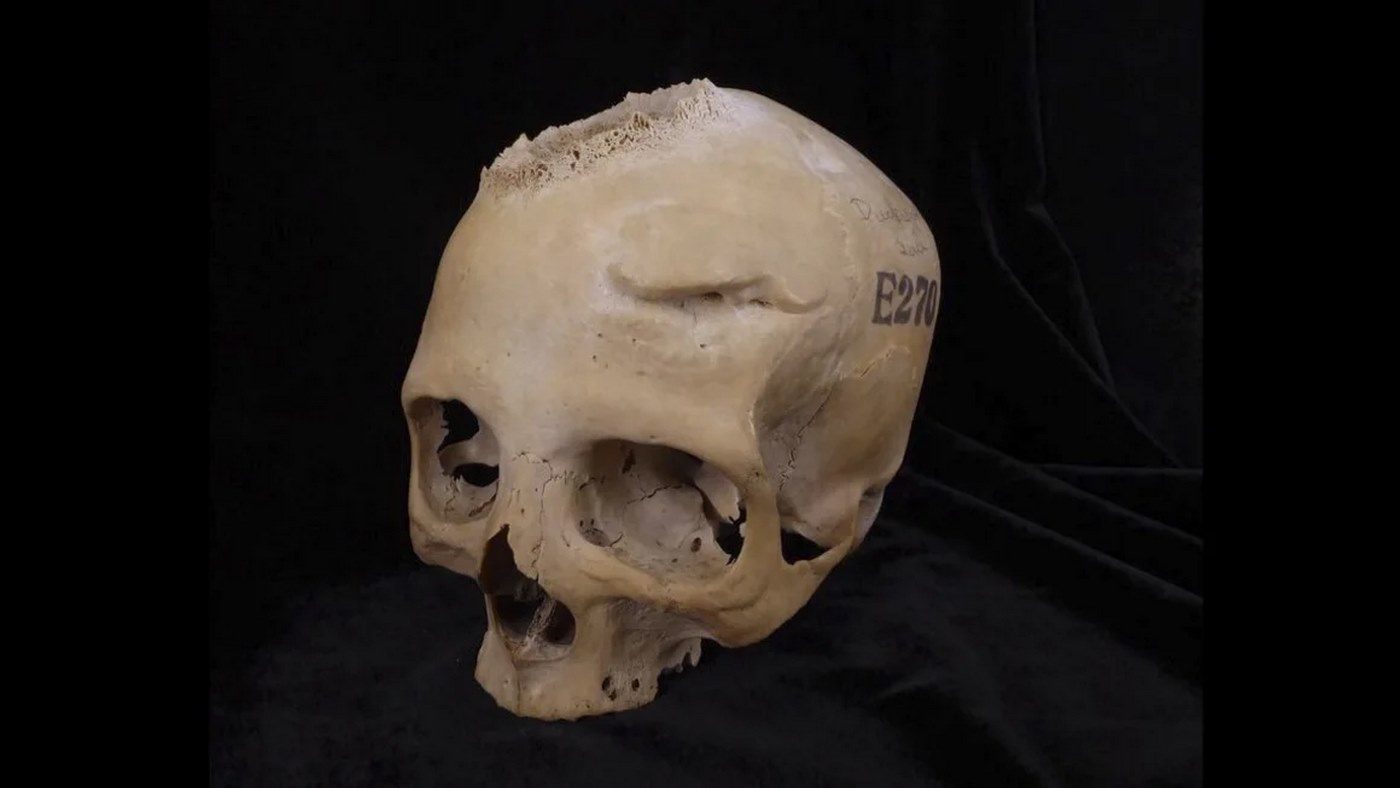
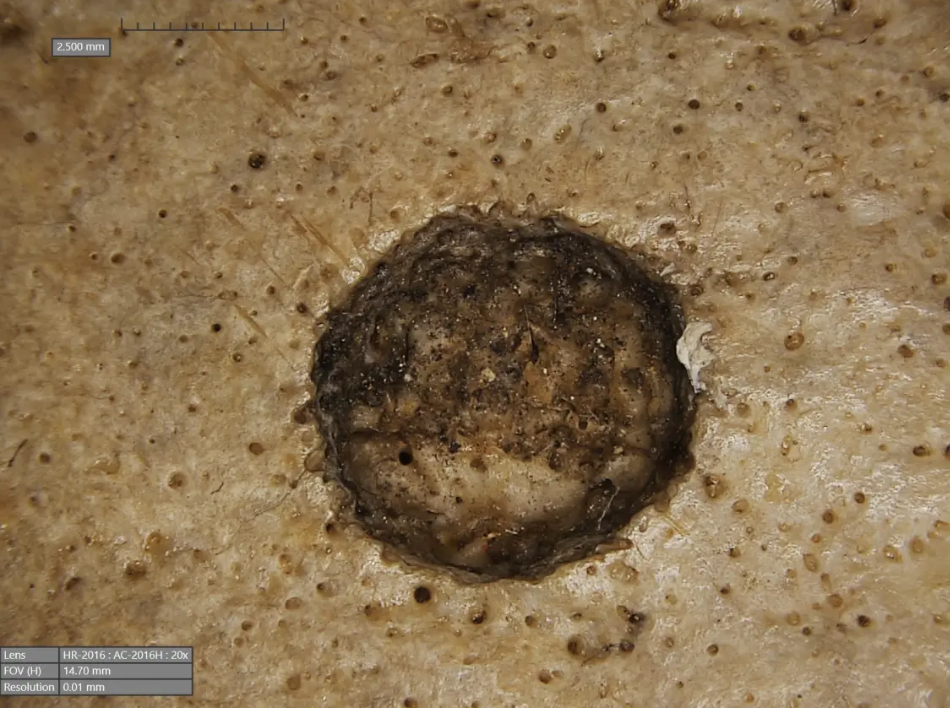
Researchers have discovered cutmarks on a 4,000-year-old Egyptian skull, indicating ancient attempts at cancer surgery. This finding provides unique evidence that ancient Egyptians explored medical treatments for cancer, showcasing their advanced medical knowledge and experimental approaches. The study, published in Frontiers in Medicine, highlights the complexity of ancient medical practices and opens new perspectives on the history of medicine.

Ancient Egyptians Pioneered Cancer Surgery 4,000 Years Ago
health-and-medicine2 years ago

Ancient Egyptians Pioneered Cancer Surgery 4,000 Years Ago

Scientists have discovered evidence of brain surgery performed by ancient Egyptian physicians around 4,000 years ago, marking the earliest known attempt to treat cancer. Micro-CT scans of a skull revealed cut marks from sharp implements, suggesting either surgical removal of malignant tumors or a medical autopsy. This finding highlights the advanced medical knowledge of ancient Egyptians and provides a significant milestone in the history of medicine.

Ancient Egyptian Skull Reveals Early Cancer Surgery Milestone
health-and-medicine2 years ago

Ancient Egyptian Skull Reveals Early Cancer Surgery Milestone

A new study suggests that ancient Egyptians may have been the first to explore and treat cancer, based on evidence from two skulls found in Giza. One skull, dating back over 4,000 years, shows signs of surgical intervention for brain tumors, potentially marking the earliest known cancer treatment. This discovery could push back the timeline of documented cancer treatment by up to 1,000 years.