
Skeptics Challenge Resurgence of Repressed Memory Theories in New Books
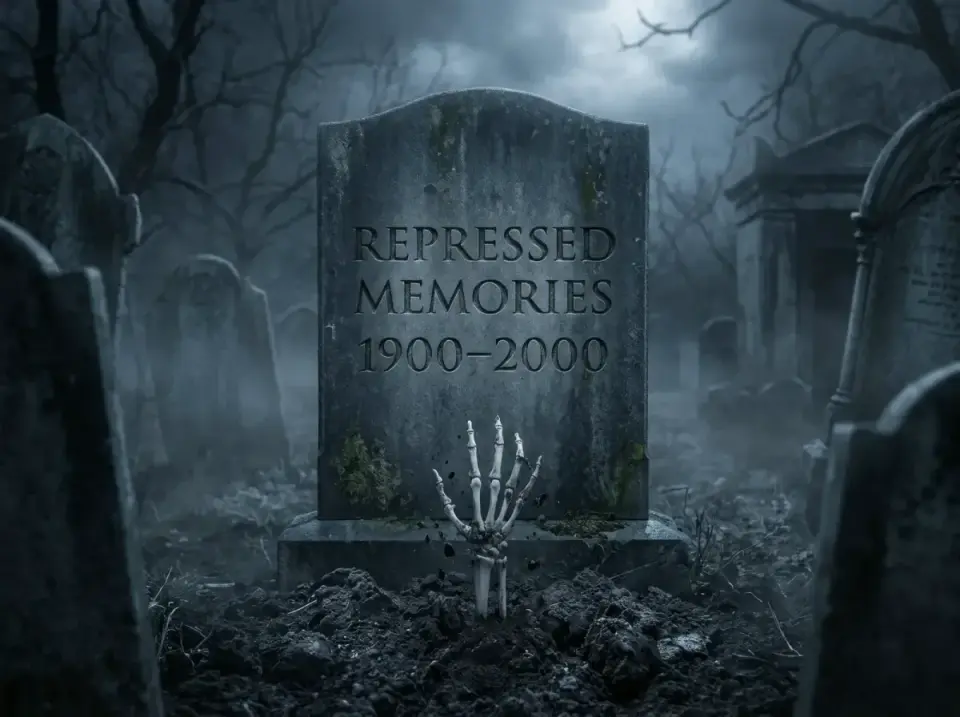
Carol Tavris and Richard McNally argue that recent popular books are reviving the debunked concept of repressed memories. They criticize Bessel van der Kolk's new $10 million deal for a sequel and children's books, as well as Amy Griffin's memoir, for promoting the idea that uncorroborated trauma memories are valid. The authors cite scientific studies showing that trauma memories are not inherently fragmented and that 'recovered' memories often stem from suggestion rather than genuine recall. They warn that this trend, which they compare to a viral epidemic, is gaining traction among younger generations who lack awareness of the 1990s 'Memory Wars.'
Key points
- Bessel van der Kolk has signed a $10 million deal for a sequel to 'The Body Keeps the Score,' titled 'Come to Your Senses,' along with a workbook and two children's books.
- Amy Griffin's memoir 'The Tell' claims an MDMA-triggered memory of middle school abuse is valid despite a lack of external evidence or corroboration from investigators.
- Research by David Rubin and colleagues found that trauma memories in PTSD patients are no less coherent than positive or non-traumatic memories, contradicting the theory of fragmented 'somatic memory.'
- McNally's team found that individuals with 'repressed' or 'recovered' abuse memories often struggle with 'reality monitoring,' making them prone to mistaking imagined scenarios for actual events.
- The authors compare the resurgence of these ideas to an infectious disease, noting that the 'virus' of repressed memory claims has found new 'hosts' in Millennials and Gen Z who were not alive during the 1990s controversies.
Background
This debate follows the 'Memory Wars' of the 1990s, a period of intense scientific and legal controversy regarding the validity of recovered memories of childhood sexual abuse. While previous coverage in our archive focused on expressive writing as a resilience tool, this article highlights a different aspect of memory processing, specifically the risks of unverified 'recovered' narratives. The current resurgence is driven by best-selling authors and memoirs that bypass scientific scrutiny, targeting younger demographics who may not be familiar with the historical debates that debunked these theories.
Why it matters
The resurgence of repressed memory theories poses risks to mental health treatment and legal proceedings. If the public and clinicians accept that uncorroborated memories are valid, it may lead to false accusations and ineffective therapies based on flawed premises. The authors argue that scientific evidence must remain the standard for validating trauma claims, rather than subjective feelings or popular narratives.
What to watch
The publication of van der Kolk's new books and Griffin's memoir is expected to further popularize these ideas. The authors suggest that critical examination of the evidence, such as that provided by psychiatrist Michael Scheeringa in 'The Body Does Not Keep the Score,' is necessary to counter these trends, though such scientific rebuttals currently have limited public reach compared to the popular books.
Want the full story? Read the original reporting
Read on Skeptic