Tag

Pseudoscience

All articles tagged with #pseudoscience

Taxpayer Funds, Indigenous Lore, and the Erosion of Scientific Rigor
science-and-public-policy15 days ago

Taxpayer Funds, Indigenous Lore, and the Erosion of Scientific Rigor

A Skeptic magazine piece argues New Zealand government funding has increasingly backed projects based on Māori knowledge that lack empirical support, from lunar-phase health claims (NZ$1.2M) and lunar calendar birth outcomes (NZ$400K) to kauri-tree healing using whale products (NZ$1.1M) and a government-funded Antarctica documentary (NZ$400K). It contends that cultural sentiment is lowering the scientific bar, leading to publicly funded research built on anecdotes or untested mechanisms rather than robust evidence. The article also covers the Polynesian Antarctic voyage claim, the subsequent scholarly rebuttal, and a 2024–2026 pattern of funding that critics say privileges culture over rigorous science, urging unwavering evaluation of evidence regardless of origin.


Fringe Paleontology's Iceberg: Chickenosaurus and Lost-Civilization Theories
science17 days ago

Fringe Paleontology's Iceberg: Chickenosaurus and Lost-Civilization Theories

Boing Boing previews an 'iceberg' of fringe paleontology, arguing that many sensational claims mix plausible ideas with hoaxes and pseudoscience. The piece spotlights Chickenosaurus as an example of speculative science spun into spectacle and notes a recurring bias toward imagining lost civilizations; it introduces Tier 1 and promises more, emphasizing that fringe theories often rest on appealing narratives rather than solid fossil evidence.

London Clinic Faces Safety Alarm Over Chlorine Dioxide Cancer Protocol
health2 months ago

London Clinic Faces Safety Alarm Over Chlorine Dioxide Cancer Protocol

WIRED reports a London clinic run by Alastair Jessel that treats stage-4 cancer by sealing patients naked in a plastic bag and exposing them to chlorine dioxide gas. There is no credible evidence this is safe or effective, and UK regulators say chlorine dioxide has no medical authorization; the Cancer Act 1939 bars nonmedical advertising of cancer cures. The clinic faced investigations by the FSA and Trading Standards, while regulators note enforcement is limited and critics warn vulnerable patients are being exploited.

From Belief to Evidence: A Chiropractor's Exit
science5 months ago

From Belief to Evidence: A Chiropractor's Exit

A former chiropractor recounts his early hope that chiropractic offered a humane, concrete alternative to medicine, then chronicles how the field's diagnostics, marketing, and business practices rely on belief and profit rather than solid evidence. He describes questionable methods like applied kinesiology, the push for lifelong care plans, and a two-tier system where leaders critique medicine from afar while practitioners handle day-to-day billing and expectations. After decades of study showing few consistent benefits beyond non-specific factors (placebo, ritual, natural history) and with better science revealing diminishing apparent effects, he leaves the profession and reflects on the ethical and professional failures that harmed patients and stymied accountability.

Critique casts doubt on claim that trees anticipate solar eclipses
science6 months ago

Critique casts doubt on claim that trees anticipate solar eclipses

A new critique published in Trends in Plant Science questions the 2025 study that linked synchronized bioelectrical activity in spruce trees to a partial solar eclipse, arguing the small sample size, numerous variables, and lack of alternative explanations undermine the claim; some scientists label the work as pseudoscience, while the original researchers defend the preliminary results and say follow-up studies are ongoing.

Nobel Disease: Why Many Laureates Develop It After Winning
science1 year ago

Nobel Disease: Why Many Laureates Develop It After Winning

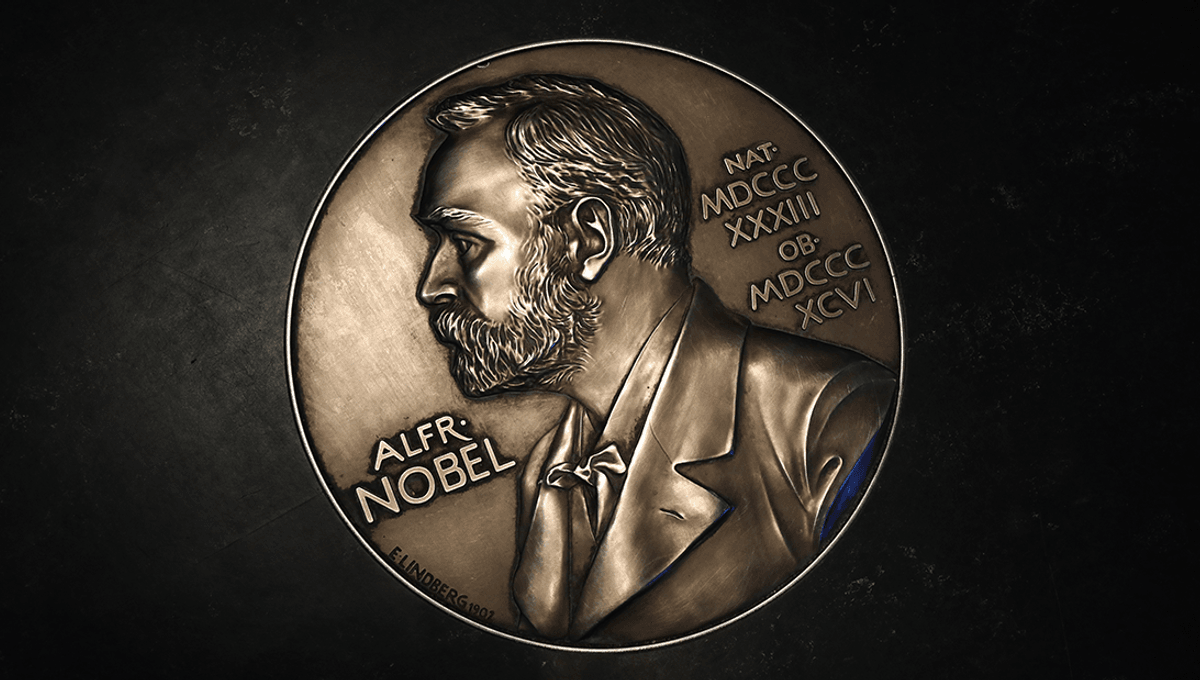
The article discusses 'Nobel disease,' a phenomenon where many Nobel laureates develop pseudoscientific beliefs after their win, possibly due to external pressures and cognitive biases, though it is not a real disease. Notable examples include scientists who believed in paranormal phenomena or held controversial views, highlighting that even the most accomplished scientists can fall prey to unscientific thinking.

"The Deceptive Formula of Blue Monday Exposed"
science-and-psychology2 years ago

"The Deceptive Formula of Blue Monday Exposed"

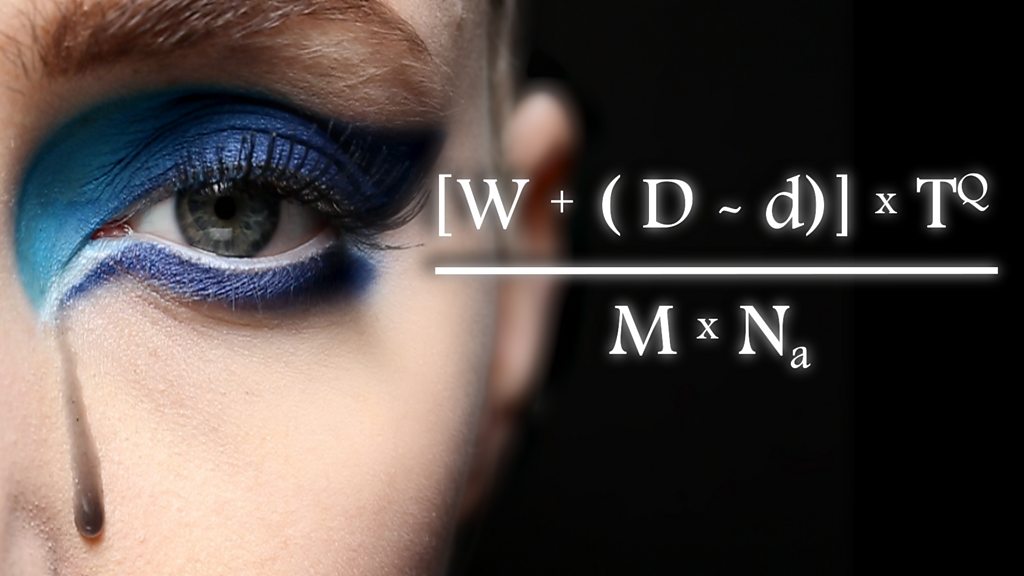
The concept of Blue Monday, supposedly the most depressing day of the year, is based on a hoax equation and has been widely criticized as pseudoscience. Originally created as a marketing ploy, the idea has been debunked by mental health experts, who emphasize the importance of addressing depression and mental well-being with evidence-based approaches rather than relying on arbitrary calculations.

"Debunking the Controversial Theory: Is Consciousness Science or Pseudoscience?"
science-and-philosophy2 years ago

"Debunking the Controversial Theory: Is Consciousness Science or Pseudoscience?"

Over 100 consciousness researchers have criticized the Integrated Information Theory (IIT) as pseudoscience, sparking a debate about the intersection of science and philosophy in understanding consciousness. IIT suggests that consciousness is more widespread than traditionally believed, but critics argue that its broad claims lack comprehensive empirical support. The theory combines scientific and philosophical perspectives, leading some researchers to question its scientific rigor. The controversy highlights the challenge of studying consciousness, which is not publicly observable, and the need for a partnership between science and philosophy to unravel its mysteries.

"The Battle of Theories: Unraveling the Origins of Consciousness"
science2 years ago

"The Battle of Theories: Unraveling the Origins of Consciousness"

The debate over the nature of consciousness is intensifying as two rival theories, integrated information theory and global workspace theory, vie for prominence. A group of 124 consciousness scientists and philosophers recently published an open letter criticizing integrated information theory as "pseudoscience," sparking controversy within the field. While the theory has its flaws and is difficult to test, it is considered a leading theory of consciousness and has garnered significant support among scientists. The letter's claims about the theory's implications and its classification as pseudoscience are disputed, highlighting the ongoing challenges in understanding and studying consciousness.

"Debunking the Leading Theory on Consciousness: Is it Pseudoscience?"
science-and-philosophy2 years ago

"Debunking the Leading Theory on Consciousness: Is it Pseudoscience?"

Over 100 consciousness researchers have accused the integrated information theory (IIT) of being pseudoscience, sparking a debate within the field. IIT, proposed by neuroscientist Giulio Tononi, aims to provide mathematical conditions for determining consciousness. Supporters of the theory argue that it expands the concept of consciousness, while critics claim that it lacks experimental support for its bold implications. An "adversarial collaboration" between IIT and the global workspace theory recently produced mixed results. The controversy highlights the challenge of studying consciousness, which involves both scientific experimentation and philosophical reflection. The debate underscores the need for a partnership between science and philosophy to unravel the mysteries of consciousness.

The Validity of Integrated Information Theory: Debunking Pseudoscience Claims
science2 years ago

The Validity of Integrated Information Theory: Debunking Pseudoscience Claims

An open letter signed by 124 researchers claimed that Integrated Information Theory (IIT), one of the most widely discussed theories in consciousness science, should be considered "pseudoscience." The letter argued that IIT's commitments to panpsychism and its lack of empirical testability justified the charge. However, the author argues that while IIT may have strange implications and be difficult to test, it still qualifies as science and should not be dismissed. The author emphasizes the importance of creative thinking and the right to be wrong in the pursuit of understanding consciousness.

The Battle for Scientific Validity: Unraveling the Mystery of Consciousness
science2 years ago

The Battle for Scientific Validity: Unraveling the Mystery of Consciousness

The science of consciousness is a challenging field, with researchers debating different theories on how it works. A recent open letter by 124 consciousness scientists and philosophers criticized integrated information theory as "pseudoscience," sparking controversy. Integrated information theory proposes that consciousness is related to the amount of integrated information a system contains. While the theory has received significant attention and support, critics argue that it is not a leading theory and has potential ethical implications. The charge of pseudoscience is disputed, as the theory generates testable predictions and should be subject to scientific scrutiny.

Controversial Consciousness Theory Sparks Scientific Backlash
science-and-research2 years ago

Controversial Consciousness Theory Sparks Scientific Backlash

A letter signed by 124 scholars has sparked controversy in the consciousness research community by labeling the integrated information theory (IIT) as "pseudoscience". The theory, which describes what makes someone or something conscious, has been a central theory in understanding consciousness. Some researchers argue that the theory lacks scientific support and is promoted more by popular media attention than academic acceptance. However, proponents of IIT argue that it is a testable theory with clear assumptions and predictions. The letter has raised concerns about increasing polarization in the field and the potential negative impact on the perception of consciousness research.