
Decades-old documents reveal plastics industry knew microplastics enter human organs
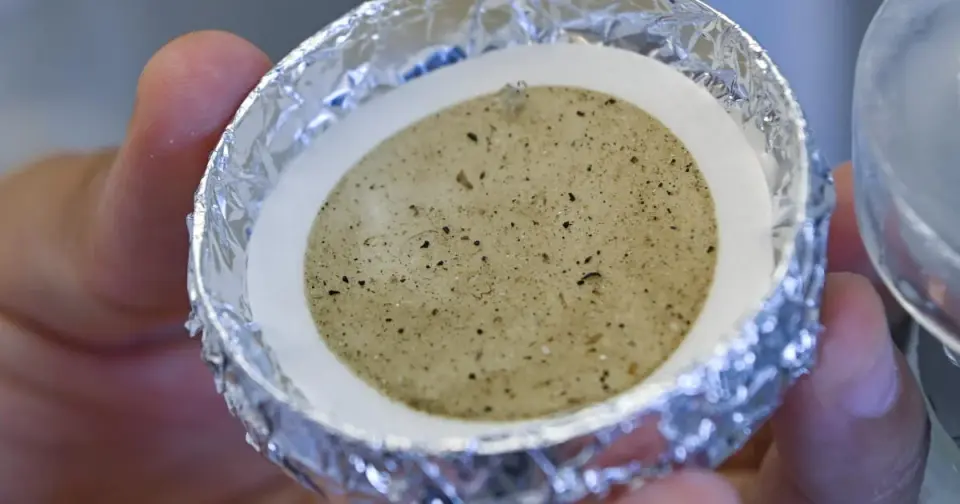
Newly surfaced internal documents show that major chemical and plastics executives were aware as early as 1974 that ingested plastic particles could migrate beyond the gut and accumulate in human organs. While industry groups argue that current scientific evidence does not yet prove direct harm, researchers and public health experts contend that the industry has suppressed this knowledge for over half a century. Recent studies suggest microplastics may trigger oxidative stress and cellular damage, prompting calls for stricter regulation despite industry claims that the science is still evolving.
Key points
- Internal memos from 1974 reveal that executives at Firestone, Shell, and Union Carbide were concerned about research showing PVC particles moving into blood, brain, and liver tissues.
- A 1974 presentation by German researcher Gerhard Volkheimer demonstrated that ingested particles could cross the gut lining and enter the bloodstream within minutes.
- Recent research published in Nature indicates that microplastics in water generate reactive oxygen species, which can damage DNA and proteins, potentially causing chronic inflammation.
- Industry trade groups, including the American Chemistry Council, argue that the presence of particles does not automatically establish health risks and that the media is moving faster than the science.
- Public health experts compare the industry's silence on microplastics to historical cover-ups regarding tobacco, asbestos, and greenhouse gases.
Background
This story builds on earlier concerns about plastic pollution, such as the 2025 discovery of rising microplastic concentrations in human brains and the 2026 reports on industry efforts to block California's plastic recycling laws. It follows the 2018 discovery of microplastics in human feces and subsequent findings in blood, breast milk, and lung tissue. The current debate mirrors historical patterns where industries delayed action on known pollutants like asbestos and tobacco, as noted by public health officials in the 1970s.
How outlets are covering it
The Los Angeles Times and Stanford University researchers argue that the plastics industry has knowingly concealed the health risks of microplastics for decades, citing internal documents that describe the 1974 findings as a 'horror story.' In contrast, the American Chemistry Council and PlasticsToday contend that the industry is actively supporting research and that the current evidence does not prove causation. PlasticsToday specifically criticizes media outlets for framing the new Nature study as a new threat rather than a scientific breakthrough that explains existing correlations. The Washington Post highlights the new mechanism of oxidative stress, while Harvard Health emphasizes the need for more sensitive detection tools and long-term epidemiological studies to confirm health links.
Why it matters
The revelation that the plastics industry has known about the potential for microplastics to enter human organs for over 50 years raises significant questions about corporate responsibility and regulatory transparency. As microplastics are now found in nearly every human tissue, understanding the mechanisms of their harm is crucial for developing effective public health policies. The debate over whether the science is 'settled' or 'evolving' will likely influence future legislation on plastic production, recycling, and food packaging safety.
What to watch
The EPA has announced plans to address microplastics in drinking water, following a 2018 California law that required testing for these particles. Researchers continue to refine detection methods and analyze long-term epidemiological data, such as the Nurses' Health Study, to establish clear causal links between microplastic exposure and diseases like heart disease and cancer. Industry groups are funding initiatives like the Microplastics Advanced Research and Innovation Initiative to shape the scientific consensus and policy outcomes.
- Industry executives knew for decades about microplastics Los Angeles Times
- Scientists were unsure of how microplastics harmed the body — until now The Washington Post
- Microplastics: A hidden health threat? Harvard Health
- How Microplastics May Trigger Lasting Health Damage Newser
- Media Gets Microplastics Science Exactly Backward PlasticsToday
Want the full story? Read the original reporting
Read on Los Angeles Times