
science-and-medicine9.775 min read
Stanford’s Karl Deisseroth Wins 2026 Nobel for Optogenetics, Sparking Global Praise
2 days ago•Source: Stanford Medicine

The latest science and medicine stories, each synthesized from multiple sources with added background and context.
California health officials say COVID-19 activity is rising again this summer, with a larger peak than last winter and increasing wastewater signals and hospitalizations. Experts attribute shifts to immunity and potential new subvariants; the state is urging eligible residents to get the 2025-26 vaccine now, though Kaiser may not offer that version and a 2026-27 vaccine is expected by late September. Vaccination remains the best protection against severe illness, especially for older adults and the immunocompromised, while the disease has not vanished and long COVID remains a risk.

Los Angeles Times•4 months ago
Los Angeles Times•5 months ago

Hantavirus is suspected to have spread aboard the MV Hondius, a luxury 46-day Antarctica cruise, killing three passengers and sickening others as the ship traveled from Ushuaia toward its Atlantic route; investigators have not confirmed the exact strain or transmission mode, with theories ranging from rodent exposure to rare human-to-human spread (Andes virus). There is no vaccine and treatment is mostly supportive, sometimes ECMO. The ship, carrying about 148 people, including 17 Americans, faced a cluster of illnesses as it neared St. Helena after departing Argentina.

The article summarizes recent developments in scientific publishing, including NEJM launching a new public health report rival, a former NIH official's paper receiving an expression of concern, and a study revealing that 1 in 5 chemists have intentionally added errors during peer review, highlighting ongoing issues of misconduct and integrity in research.
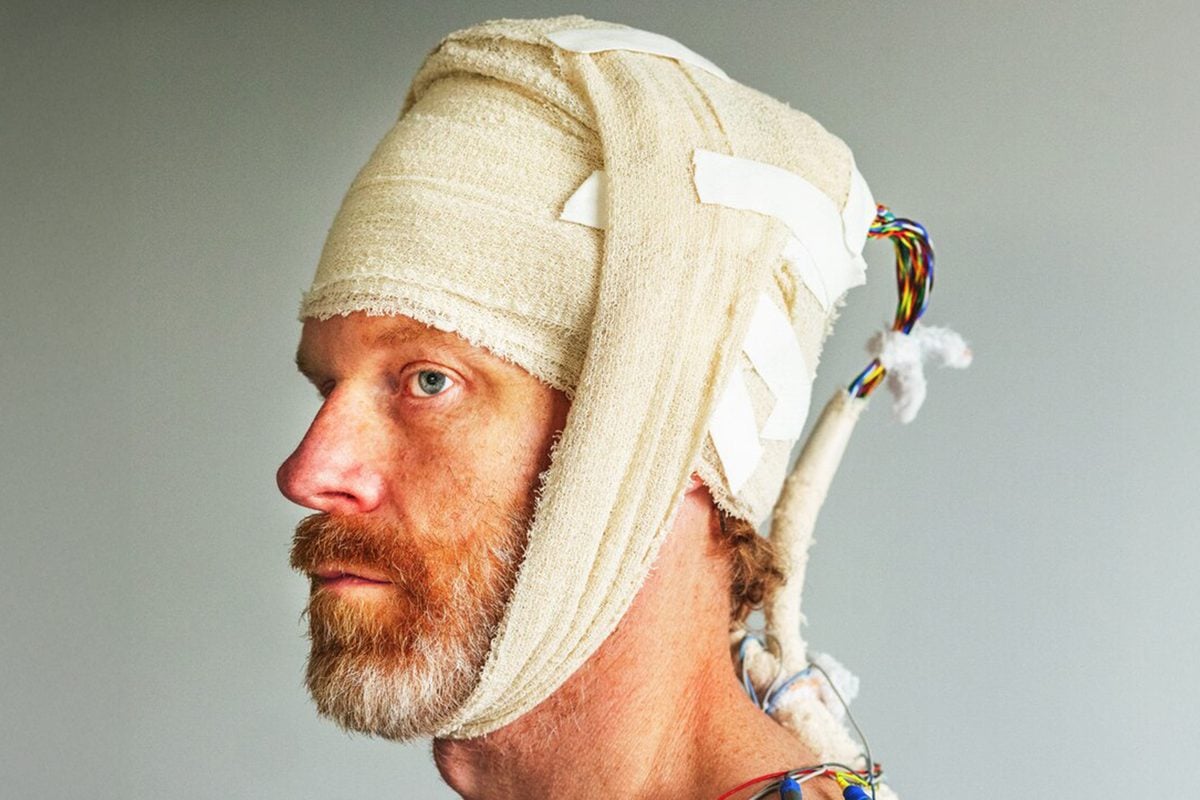
The article highlights the 2025 Wellcome Photography Prize, showcasing stunning images that explore health, science, and medicine, including microplastics beneath skin, brain neurogenesis, pollution, and innovative research like underwater greenhouses and climate change impacts, with winners announced in July 2025.
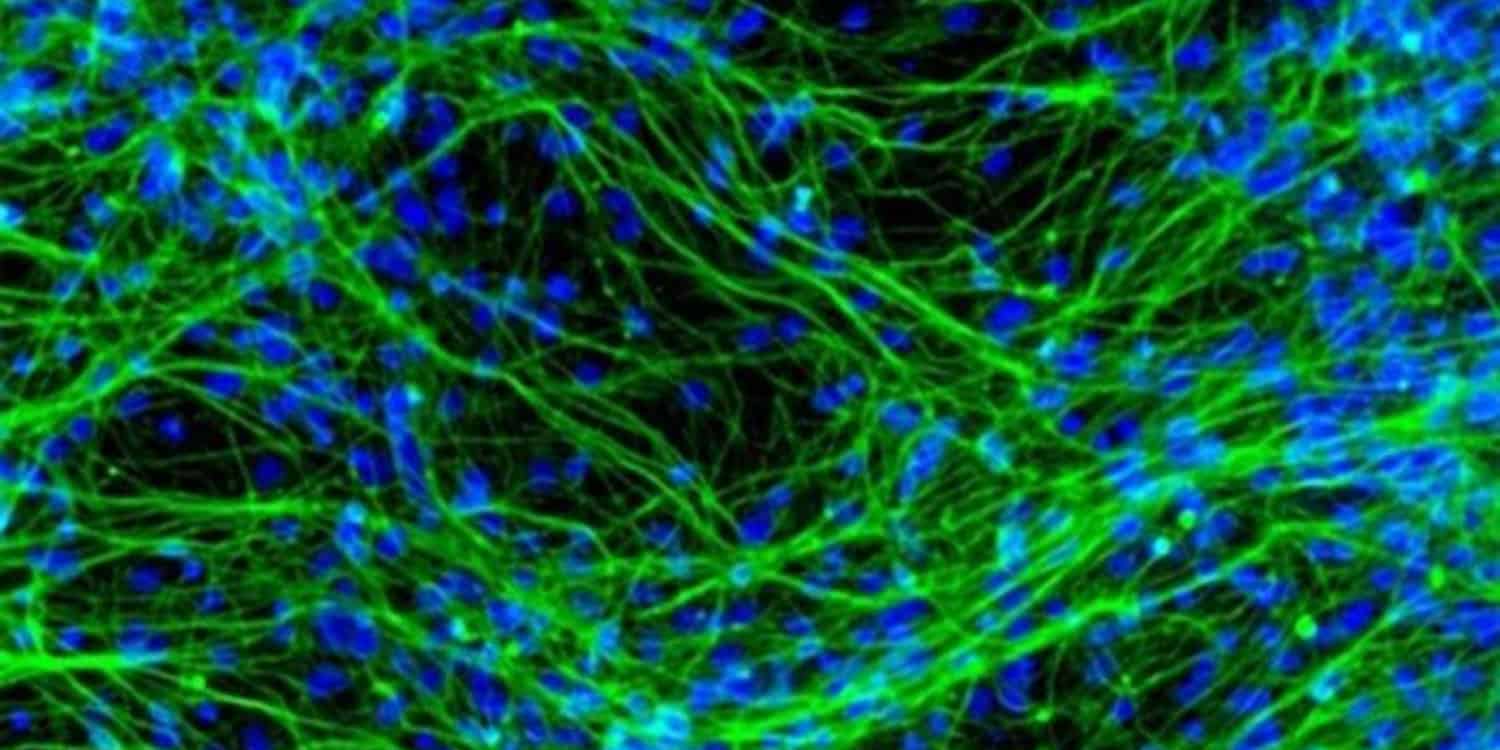
A study published in Neuropsychopharmacology Reports reveals the potential of delta opioid receptors to alleviate anxiety through the activation of a specific brain pathway. The selective DOP agonist, KNT-127, was found to reduce anxiety-like behavior in mice, offering promise for developing new treatments for anxiety-related disorders. The study's methodology, anchored in optogenetics, targeted a neural pathway from the prelimbic cortex to the basolateral nucleus of the amygdala, critical areas associated with emotion regulation and anxiety development. The findings underscore the pivotal role of this brain circuit in regulating innate anxiety and demonstrate the potential of DOP agonists, like KNT-127, in alleviating anxiety.

The rete ovarii, a structure long dismissed as functionless, may actually play a crucial role in regulating ovulation and potentially extending the female reproductive lifespan. Duke University researchers have found that this tiny ovarian appendage, present in various mammal species, contains proteins and anatomical features suggesting it contributes to hormone signaling and may act as a sensory appendage, akin to the ovary's 'tongue'. The researchers suspect it may sense changes in the ovary's environment and send signals for reproductive organs to respond accordingly, and they plan to further investigate its response to physiological signals.

A new study published in the Journal of Psychopharmacology suggests that MDMA, commonly known as ecstasy, may uniquely enhance positive emotional responses to social interactions, shedding light on its potential to influence social perception and treat conditions characterized by impaired social processing. The research, led by Anya Bershad and her colleagues at UCLA, found that MDMA increased feelings of happiness and acceptance in response to positive social feedback, aligning with its empathogenic properties. The study's findings highlight the need for further research into MDMA's prosocial effects and its potential integration into psychotherapeutic settings to improve social connectivity and emotional well-being.
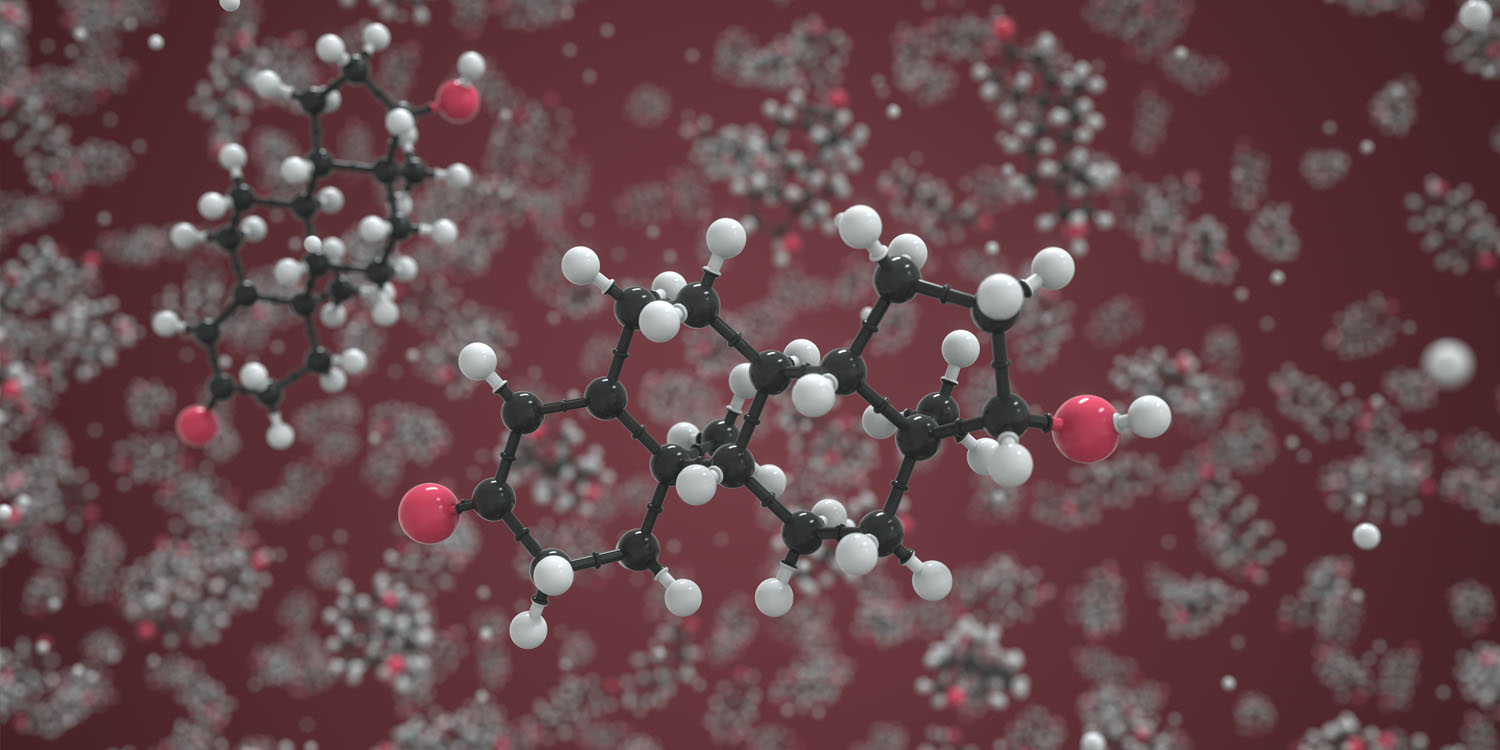
A recent study explores how testosterone, particularly in transgender boys undergoing hormone therapy, influences the processing of emotional cues from caregivers and peers during adolescence. Using functional magnetic resonance imaging (fMRI), researchers found that testosterone therapy appears to recalibrate the neural response to emotional cues, reducing the impact of negative familial cues while heightening sensitivity to peer emotions. These findings shed light on the differential impact of testosterone on the brain's processing of emotional cues and its role in the social reorientation process during adolescence.

Researchers have discovered a link between a 500-million-year-old viral infection and the early stages of embryo development, shedding new light on the role of endogenous retroviruses in regulating pluripotency factors. The study, conducted on mouse embryos, identified a retroviral protein called MERVL-gag that influences the transition from totipotent to pluripotent cells, a crucial step in embryo specialization. This finding has implications for artificial embryo creation, regenerative medicine, and understanding fertility issues, highlighting the important functions of ancient retroviruses that have co-evolved with complex organisms over millions of years.

The number of academic clinician-scientists, healthcare professionals who dedicate a substantial amount of time to research, is declining, posing risks to the long-term health and wealth of countries. The characteristics of these professionals must be defined, and efforts should be made to nurture and support them. Clinical practice can enhance research in applied fields and provide insights into human variation. However, barriers such as rigid and prolonged clinical training and a shift in funding focus have deterred clinicians from pursuing research careers. Industry jobs are becoming more attractive, but autonomy and the pursuit of interesting questions are preserved in academia. Funders and regulatory bodies should support clinician-scientists, and current professionals should inspire and support trainees to ensure the continued contributions of this group to human knowledge and health.
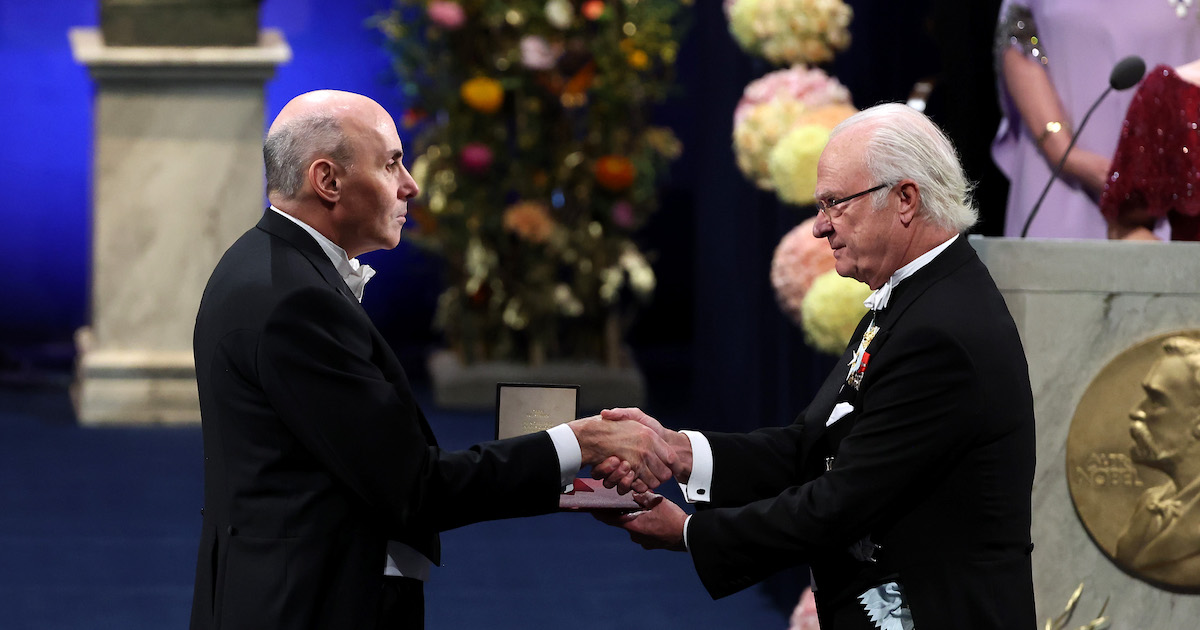
Immunologist Drew Weissman and his research partner Katalin Karikó have been awarded the Nobel Prize in Medicine for their groundbreaking research that led to the development of the COVID-19 vaccine. By engineering a modified version of messenger RNA (mRNA) and developing a delivery system, they were able to trick the immune system into producing antibodies and creating partial immunity. The ceremony in Stockholm, Sweden, included a speech highlighting the impact of their research on public trust in science. Weissman, a Brandeis alumnus, is the second from the university to win a Nobel Prize.