
MIT team tests edible battery that powers stomach devices and dissolves safely
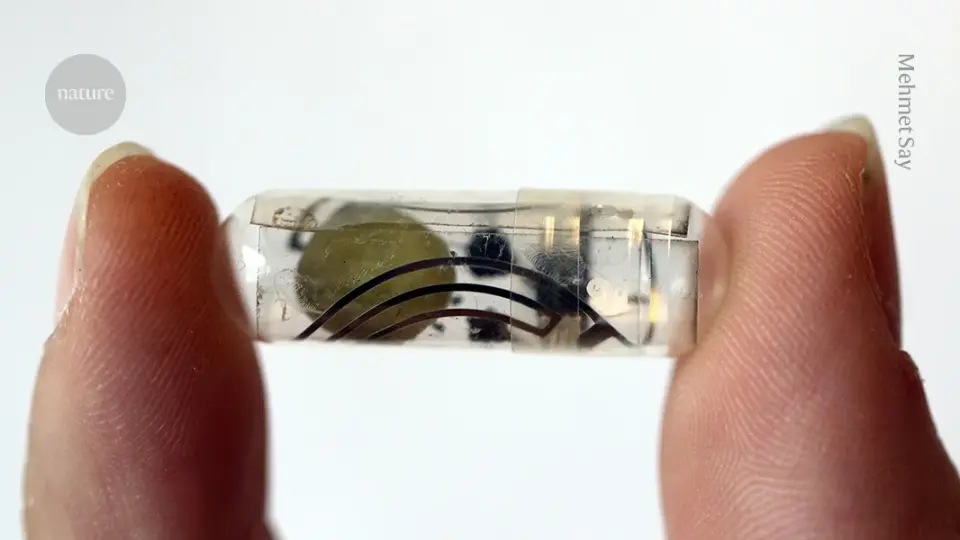
Researchers at MIT have developed a biodegradable battery capable of powering medical devices inside the human body. Tested in pigs, the battery uses magnesium and molybdenum trioxide to power wireless tags and stomach stimulators before dissolving into safe, absorbable components. The technology aims to replace invasive implants with swallowable devices for monitoring health and regulating appetite.
Key points
- The battery is constructed from magnesium and molybdenum trioxide electrodes, a biodegradable ionic liquid electrolyte, and a cellulose coating inspired by edible rice paper, all protected by a beeswax layer.
- In pig trials, the battery powered a radio-frequency identification (RFID) tag that transmitted data to a receiver 1.5 meters away and stimulated the stomach to release the hunger hormone ghrelin.
- The device began disintegrating within two weeks of ingestion and fully dissolved after several months, with components safely absorbed or excreted by the body.
- MIT researchers plan to begin human clinical trials in approximately two years, targeting conditions such as impaired gastric function, nausea, and appetite loss.
- The design avoids toxic metals and plastic casings found in conventional batteries, reducing the risk of chemical burns or toxic accumulation if the device breaks down prematurely.
Background
This development follows earlier research into flexible diamond membranes for piezoelectric energy generation and broader efforts to minimize invasive medical procedures. While previous biocompatible batteries often relied on buffered saline or non-biodegradable plastics, this new approach focuses on total biodegradability to enhance safety in the digestive tract.
How outlets are covering it
Nature emphasizes the material innovation, highlighting the use of micronutrients and the inspiration from edible candy wrappers to ensure safety. The Financial Times focuses on the clinical timeline, noting that prototypes for human trials are expected in two years and that the technology could improve drug delivery precision. Live Science, while largely obscured by technical code in the provided text, characterizes the achievement as 'quite impressive,' underscoring the reliability of energy delivery from the gastrointestinal tract. All sources agree on the safety profile but differ in emphasis: Nature on chemistry, the FT on medical application, and Live Science on performance.
Why it matters
This technology could eliminate the need for surgical implants in treating gastrointestinal disorders, offering a less invasive method for regulating the gut-brain connection. It also addresses safety concerns associated with traditional batteries leaking toxic materials inside the body, potentially enabling personalized, transient medical monitoring without long-term hardware risks.
What to watch
The research team is currently working with partners to create prototypes for human use. Larger safety studies are planned to test the battery in broader gastric environments, and consistent manufacturing methods are being developed. A clinical trial is expected to commence within two years.
- Edible batteries power medical devices in the body Nature
- A new battery could make edible electronics safer The Economist
- Scientists made a paper battery you can swallow to power internal medical devices Live Science
- Batteries that safely break down in the GI tract could improve ingestible devices Medical Xpress
- Ingestible battery offers potential relief for stomach conditions Financial Times
Want the full story? Read the original reporting
Read on Nature