
35-Year Study Finds Acorn Crops, Not Deer, Better Predict Lyme Disease Risk
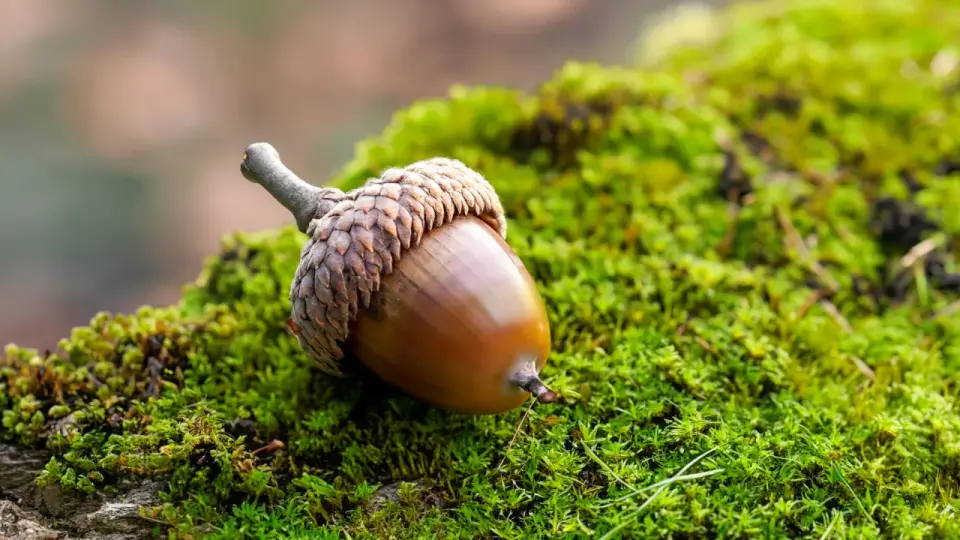
A 35-year study by the Cary Institute of Ecosystem Studies reveals that white-footed mouse populations, driven by oak tree acorn production, are a stronger predictor of Lyme disease risk than deer numbers. The research, published in the Proceedings of the National Academy of Sciences, challenges previous assumptions about tick ecology and highlights complex interactions between weather, predators, and host animals that influence infection rates.
Key points
- Researchers found no significant link between white-tailed deer populations and the abundance of nymphal ticks, which transmit Lyme disease to humans.
- White-footed mouse populations are a much stronger predictor; years with large mouse populations are followed by approximately 40% more nymphal ticks the next year.
- Heavy acorn crops from oak trees can predict increased tick populations two years later by boosting mouse numbers, which in turn support tick reproduction.
- Mouse abundance does not consistently predict the percentage of ticks carrying the Borrelia burgdorferi bacterium, as other hosts like skunks and squirrels dilute infection rates.
- Ticks in wild habitats survive extreme heat and cold better than laboratory tests suggested, likely by hiding in soil or leaf litter, though warmer years generally correlate with fewer nymphs overall.
Background
Lyme disease remains the most frequently reported tick-borne illness in the United States, with nearly 500,000 diagnoses annually. While recent public attention has focused on misdiagnoses of conditions like multiple sclerosis, this study addresses the ecological roots of the disease itself. The Cary Institute’s long-term monitoring in Dutchess County, New York, provides a rare dataset for understanding how environmental changes, including climate shifts and invasive species, influence the transmission of Borrelia burgdorferi.
Why it matters
Understanding the ecological drivers of Lyme disease can improve public health strategies by providing early warnings for high-risk periods. The findings suggest that monitoring mouse populations and acorn production may be more effective for predicting exposure than tracking deer. This knowledge is crucial for anticipating how climate change, which affects both temperature and vegetation cycles, will influence future tick-borne disease outbreaks.
What to watch
Researchers will continue monitoring the Dutchess County site to observe how climate change, landscape alterations, and invasive species affect tick and host populations. They aim to determine how varying climate manifestations, such as warmer and drier versus warmer and wetter conditions, will impact acorn production, mouse numbers, and ultimately human exposure to Lyme disease.
Want the full story? Read the original reporting
Read on Science Daily