
Aging Brain Shifts from Detail to Wisdom, Researchers Argue
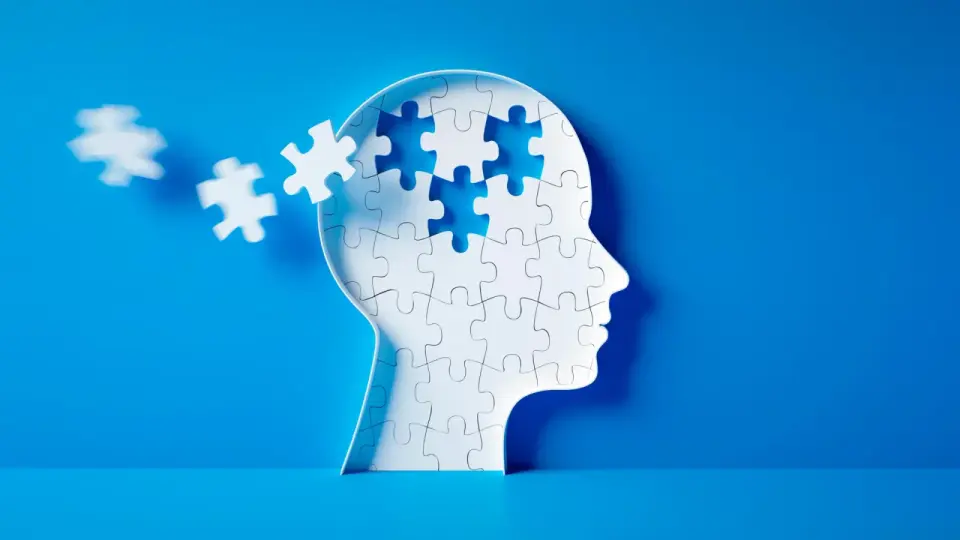
Researchers at the University of Arizona propose that age-related memory changes are not merely signs of decline but an adaptive strategy. The brain shifts focus from the hippocampus, which stores detailed episodic memories, to the frontal cortex, which processes broader meaning and patterns. This transition allows older adults to leverage accumulated knowledge for teaching and mentoring, distinguishing healthy aging from the pathological disruptions seen in Alzheimer's disease.
Key points
- The 'adaptive aging hypothesis' suggests the brain reprioritizes resources to value semantic knowledge and social transmission over precise episodic recall.
- Healthy aging involves a gradual shift from hippocampal dominance to frontal cortex reliance between the fifth and seventh decades of life.
- Alzheimer's disease disrupts this natural transition, often causing abnormal hyperactivity in the hippocampus rather than the expected decrease in activity.
- This biological shift may explain why older adults excel in mentoring and storytelling, as they focus on the 'gist' of experiences rather than specific details.
Background
This study builds on recent discussions about cognitive aging, including earlier reports on how older brains may blur memories through hippocampal misfiling rather than total forgetting. It also aligns with previous findings suggesting that aging brains optimize for knowledge sharing to conserve energy, contrasting with the view of aging as purely a period of decline.
Why it matters
Reframing cognitive aging as an adaptive process rather than a deficit could change how society values older adults and how clinicians distinguish between normal development and neurodegenerative diseases like Alzheimer's. Recognizing the strengths of the aging brain, such as enhanced pattern recognition and knowledge transfer, may lead to better support systems and interventions that leverage these capabilities rather than trying to force older brains to function like younger ones.
What to watch
Researchers will likely continue to study the biological mechanisms underlying this shift, particularly how pathological proteins like amyloid and tau interfere with the normal transition from hippocampal to frontal cortex dominance. This could lead to new diagnostic tools that distinguish between healthy aging and early-stage Alzheimer's based on patterns of brain activity rather than just memory test scores.
Want the full story? Read the original reporting
Read on Science Daily