
Alzheimer’s research gains momentum with new drug approvals and broader targets
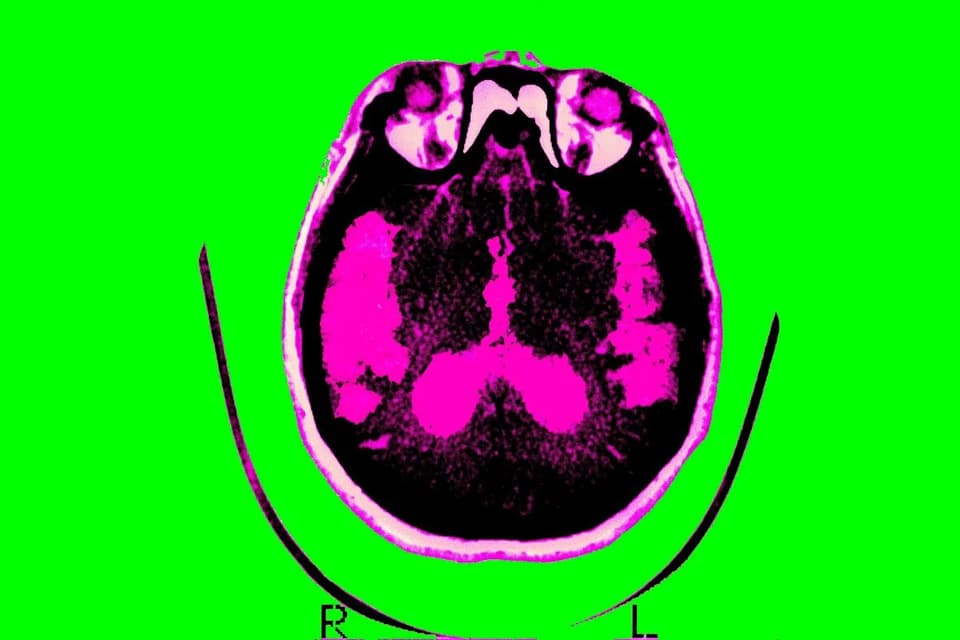
Recent advances in Alzheimer’s research include the FDA approval of two drugs, lecanemab and donanemab, which target amyloid plaques and may slow cognitive decline. Scientists are also exploring new targets such as tau proteins, inflammation, and GLP-1-based therapies to improve vascular health and reduce dementia risk. While many treatments remain in early-stage trials, these developments suggest a shift toward a broader and more effective treatment toolkit.
Key points
- Two FDA-approved drugs, lecanemab and donanemab, have shown potential to slow cognitive decline by clearing brain amyloid plaques.
- Researchers are investigating additional targets, including tau proteins, inflammation, and GLP-1-based therapies, to address dementia from multiple angles.
- GLP-1 therapies, originally developed for diabetes, are being explored for their potential to reduce dementia risk by improving vascular health.
- Many of these new treatments are still in early-stage clinical trials, and their long-term effectiveness remains to be seen.
- Controversial experimental surgeries in China highlight both the promise and uncertainties of current Alzheimer’s research.
Background
This development follows earlier coverage of Alzheimer’s research progress, including the approval of lecanemab and donanemab and the exploration of new therapeutic targets. World Alzheimer’s Day awareness efforts have also emphasized early detection and caregiver support, underscoring the importance of advancing treatment options.
Why it matters
These advancements represent a significant shift in Alzheimer’s research, moving beyond single-target approaches to a more comprehensive strategy. The potential for slowing cognitive decline and reducing dementia risk could improve quality of life for millions of patients and their caregivers, while also reducing the global healthcare burden associated with dementia.
What to watch
Researchers will continue to evaluate the long-term effectiveness and safety of lecanemab, donanemab, and other emerging therapies. Clinical trials for tau-targeting and GLP-1-based treatments will provide critical data on their potential to complement existing treatments. Additionally, the field will likely see further exploration of innovative approaches, including experimental surgeries, as scientists seek to develop a more robust treatment toolkit.
Want the full story? Read the original reporting
Read on yahoo.com