
US Aid Cuts Disrupt Global HIV Services Despite Official Priorities
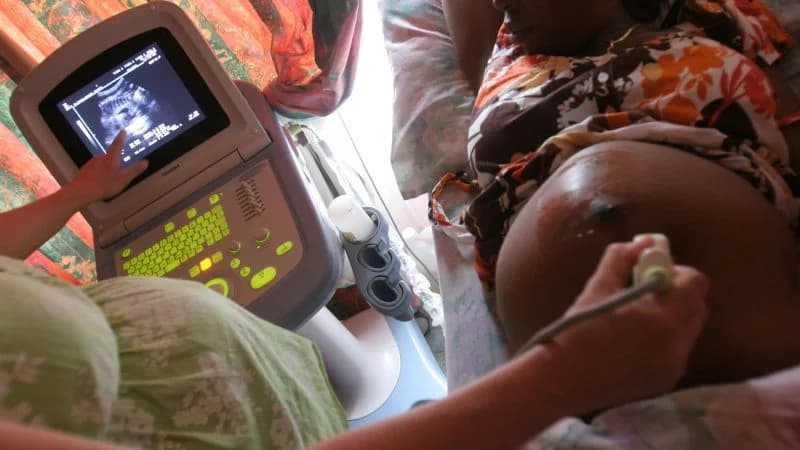
A new study reveals that US funding cuts have severely disrupted HIV services for children and pregnant women globally, contradicting official claims of protection for these programs.
Key points
- The Foundation for AIDS Research (amfAR) found that 63% of surveyed organizations reported disruptions to mother-to-child HIV transmission services, despite US government assurances.
- 1,714 health clinics supported by PEPFAR closed last year, and 22% of surveyed organizations ended mother-to-child prevention services entirely.
- Testing for pregnant women declined by 2% and for babies by at least 6% in late 2025, with some facilities reporting worse metrics.
- The number of children starting new HIV treatment fell by 15% in eight studied countries, attributed to test kit shortages and lack of provider training.
- Experts warn that declines in testing and monitoring indicate children are losing access to care, not that prevention is succeeding.
Background
This follows earlier reports of global HIV prevention collapses due to US aid cuts, including service gaps in Kenya and Tanzania. It also aligns with broader patterns of NIH grant upheaval and funding cuts affecting other health initiatives, such as Alzheimer’s research. Fiji’s recent declaration of a national HIV emergency highlights the ongoing crisis in the region.
Why it matters
The disruption of PEPFAR, which has saved over 26 million lives, threatens to reverse decades of progress in fighting HIV/AIDS. The decline in testing and treatment for children and pregnant women could lead to increased infections and preventable deaths, undermining global health stability.
What to watch
The US government is transitioning to new aid agreements requiring more co-financing from recipient nations. The long-term impact on HIV outcomes may not be fully visible for a year or more, as data collection and reporting have been disrupted.
Want the full story? Read the original reporting
Read on edition.cnn.com