
Lymph Node Signals Drive Alzheimer’s Brain Damage, Study Finds
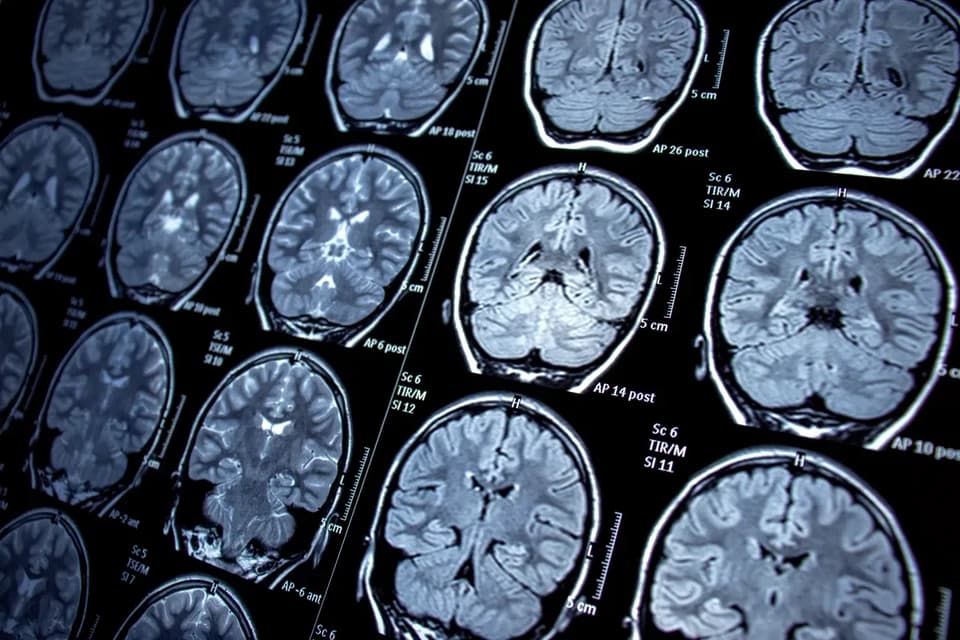
A new study from Washington University in St. Louis reveals that immune cells causing brain damage in Alzheimer’s disease are activated outside the brain, specifically in lymph nodes. By blocking these signals in mice, researchers prevented neurodegeneration and preserved cognitive abilities, even without removing toxic tau protein tangles. This suggests future treatments could target the immune system peripherally, bypassing the difficult blood-brain barrier.
Key points
- Researchers identified that CD8+ T cells, which accumulate in the brains of Alzheimer’s patients, are primed by dendritic cells in peripheral lymph nodes, not within the brain itself.
- In mouse models, eliminating these dendritic cells or blocking their signaling drastically reduced T cell infiltration into the brain and halted neurodegeneration.
- The intervention preserved cognitive function and reduced brain damage without altering the levels of tau protein tangles, indicating that immune activity, not just protein accumulation, drives the disease.
- Senior author David M. Holtzman noted that targeting peripheral immune cells could avoid the challenge of crossing the blood-brain barrier, as many T-cell manipulation therapies are already approved for other conditions.
- The study, published in Nature Neuroscience on September 3, 2026, was led by first author Hao Hu and co-senior author Jason Ulrich, with support from multiple NIH grants and foundations.
Background
This finding builds on recent shifts in Alzheimer’s research away from solely targeting amyloid plaques. Earlier in 2026, studies highlighted the role of inflammation and microglia in sleep disruption, while FDA-approved drugs like lecanemab and donanemab showed modest benefits in slowing decline by clearing plaques. Additionally, a September 2026 atlas of brain microproteins revealed new aging mechanisms, suggesting that complex biological networks, including immune responses, play a critical role in neurodegeneration.
How outlets are covering it
Newsweek and SciTechDaily emphasize the therapeutic potential of targeting the immune system outside the brain, highlighting the ease of accessing peripheral lymph nodes compared to the blood-brain barrier. ScienceDaily and SadaNews focus on the mechanistic discovery, detailing how classical dendritic cells type 1 (cDC1) in the neck’s deep cervical lymph nodes prime CD8+ T cells to attack the brain. All sources agree that the exact trigger for this immune response remains unknown, but Holtzman suspects tau-related damage releases material that travels to these lymph nodes. While the mouse results are promising, all outlets note that human trials are needed to confirm if blocking these signals in midlife can prevent cognitive decline.
Why it matters
This research offers a new, potentially more accessible treatment target for Alzheimer’s disease. By focusing on the peripheral immune system, researchers may develop therapies that do not require drugs to cross the blood-brain barrier, a major hurdle in neurology. If successful, this approach could slow cognitive decline by preventing immune-driven neurodegeneration, even in the presence of tau tangles, marking a significant shift from previous amyloid-centric strategies.
What to watch
Researchers are now testing whether disrupting dendritic cell activity in midlife, around the onset of tau tangles, can provide the same protection as blocking it from birth. They are also working to identify the specific signal that guides T cells to the brain to develop targeted interventions. Human clinical trials will be necessary to validate these findings in patients with Alzheimer’s disease and related tauopathies.
- New Study Shows Promise in Restoring Brain’s Defenses Against Alzheimer’s newsweek.com
- Scientists found a surprising driver of Alzheimer’s outside the brain ScienceDaily
- Scientifically.. The Danger of Alzheimers Disease May Arise from Outside the Brain - Sada News Agency وكالة صدى نيوز
- Alzheimer’s Brain Damage May Begin Outside the Brain SciTechDaily
- SKKU Research Team Opens New Avenue for Alzheimer’s Disease Treatment by Restoring Brain Immune Balance | Newswise Newswise
Want the full story? Read the original reporting
Read on newsweek.com