
Ancient brains don’t rot: low-oxygen chemistry preserves brain tissue
TL;DR
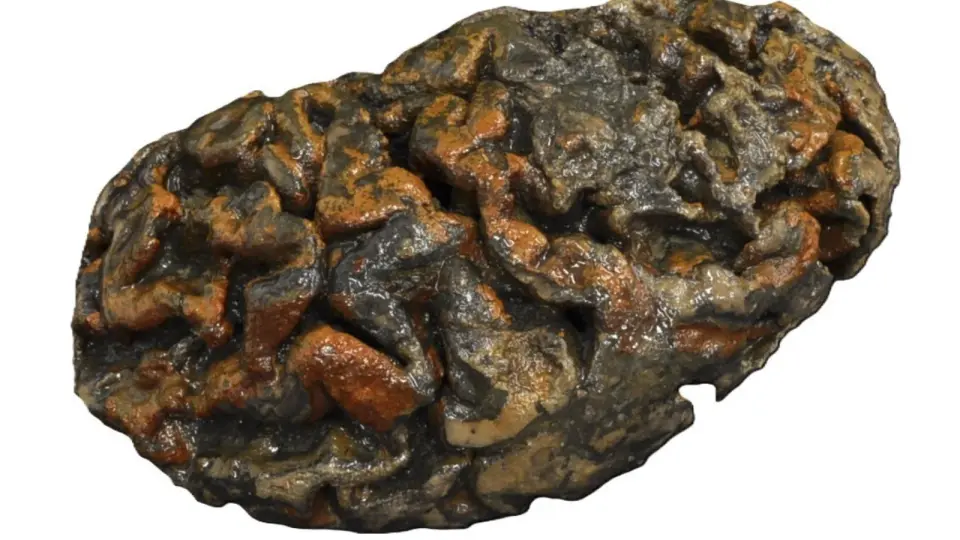
A University of Oxford study proposes that ancient brain preservation occurs when waterlogged, low-oxygen conditions reroute brain decay into crosslinking brain proteins, forming tough, decay-resistant aggregates. Oxygen-rich environments accelerate degradation, while hypoxic settings slow it, a conclusion supported by experiments burying mouse brains under varying conditions and tracking protein decay with mass spectrometry. The findings illuminate why brains are disproportionately preserved in archaeology and may offer clues about peptide fingerprints similar to those seen in neurodegenerative diseases like Alzheimer's.
Want the full story? Read the original reporting
Read on livescience.com