
Base editing uncovers NANOG's role in human embryo development, stoking ethics debate
TL;DR
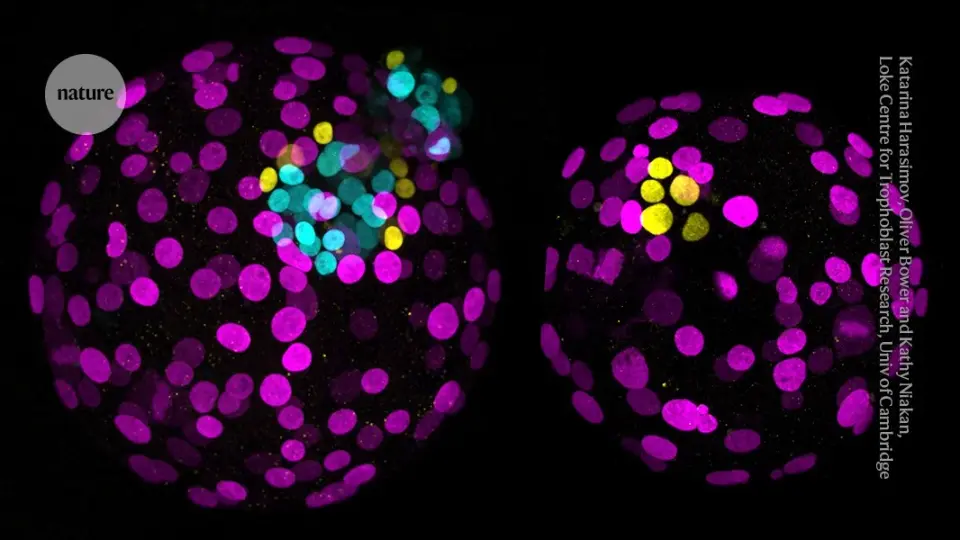
Researchers used base editing to disrupt NANOG in donated human embryos, revealing NANOG’s crucial role in forming the epiblast and early tissues, a finding not seen in mice and highlighting limits of animal models. While base editing appears more precise than CRISPR–Cas9 and may reduce some risks, mosaicism and other safety hurdles remain, and experts are calling for urgent ethical discussions about if, when, and how such germline edits could be used in humans.
- ‘Edited’ human embryos reveal secrets of our development — and fuel ethical debate Nature
- DNA editing of human embryos reignites debate over designer babies The Washington Post
- Next-gen CRISPR tools improve editing accuracy in embryos, but also stoke ethical concerns statnews.com
- We’ve uncovered a master gene that switches on human development New Scientist
- Gene that creates the human body discovered The Telegraph
Want the full story? Read the original reporting
Read on Nature