Base editing uncovers NANOG’s essential role in early human embryogenesis
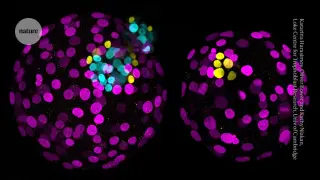
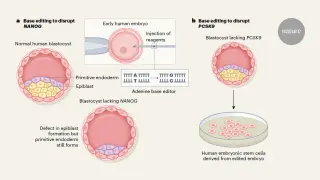
A Nature News & Views piece explains how researchers are using adenine base editing to modify human embryos in order to probe the function of NANOG in early development, offering a precise way to study gene roles while fueling ongoing debates about heritable genome editing.