Tag

Developmental Biology

All articles tagged with #developmental biology

New Atlas Maps Clonal Origins of Mouse Forebrain Cell Types
science9 days ago

New Atlas Maps Clonal Origins of Mouse Forebrain Cell Types

Researchers have created a comprehensive map of how different cell types in the mouse forebrain originate from shared progenitor cells. By using lentiviral barcoding and spatial transcriptomics, the study reveals distinct developmental patterns for glutamatergic and GABAergic neurons, offering new insights into brain structure and potential neurodevelopmental disorders.
Stanford Study Reveals Human Brain Evolved from Two Distinct Neural Systems
science16 days ago

Stanford Study Reveals Human Brain Evolved from Two Distinct Neural Systems

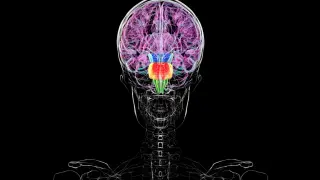
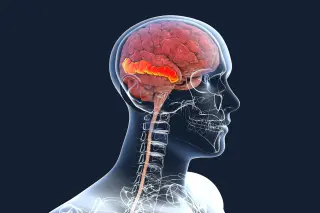
A new study led by Stanford University researchers, published in Nature Neuroscience on September 18, 2026, challenges the traditional view that the human brain develops from a single progenitor cell. Instead, the research demonstrates that the forebrain and hindbrain originate from two distinct, parallel neural progenitor cells during embryonic gastrulation. This finding explains why scientists previously failed to grow hindbrain neurons in labs and opens new avenues for studying neurodegenerative diseases like ALS and spinal muscular atrophy (SMA). The dual-origin structure appears evolutionarily conserved, tracing back at least 550 million years to ancestors like acorn worms.

New Study Reveals Brain Develops from Two Distinct Progenitor Lines, Not One
science17 days ago

New Study Reveals Brain Develops from Two Distinct Progenitor Lines, Not One

A study published in Nature Neuroscience on September 18, 2026, challenges the traditional view that the human brain develops from a single progenitor cell. Researchers from Stanford Medicine found that the forebrain/midbrain and hindbrain arise from two separate, parallel neural ectoderm populations during embryonic gastrulation. This finding explains why hindbrain neurons have been difficult to cultivate in labs and enables the first successful derivation of hindbrain motor neurons from human pluripotent stem cells, offering new avenues for studying diseases like ALS and SMA.

Study Reveals Human Brain Develops From Two Independent Progenitor Cells
science17 days ago

Study Reveals Human Brain Develops From Two Independent Progenitor Cells

A Stanford-led study published in Nature Neuroscience on September 18, 2026, demonstrates that the human brain originates from two distinct progenitor cell lines rather than a single unified source. Researchers found that the forebrain and hindbrain develop independently during embryonic gastrulation, a finding that explains why hindbrain neurons have been difficult to cultivate in labs. This discovery enables the first successful generation of human hindbrain motor neurons, offering new avenues for studying spinal muscular atrophy and ALS.

Stanford Study Reveals Brain Develops from Two Distinct Progenitor Lines
science17 days ago

Stanford Study Reveals Brain Develops from Two Distinct Progenitor Lines

A Stanford-led study published in Nature Neuroscience on September 18, 2026, argues that the human brain is not a single unified organ but a composite of two distinct systems. Researchers found that the forebrain/midbrain and hindbrain arise from separate progenitor cells during embryonic gastrulation, marked by different genes (Otx2 and Gbx2) and chromatin structures. This discovery explains why hindbrain neurons were previously impossible to grow in labs and enables new research into diseases like ALS and spinal muscular atrophy.

Seven-year lab-grown brain organoids reveal time-keeping in a dish
science1 month ago

Seven-year lab-grown brain organoids reveal time-keeping in a dish

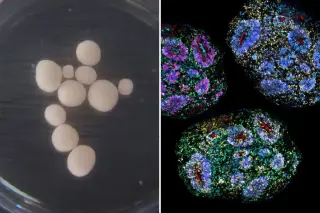
Harvard researchers grew brain organoids for up to seven years, using DNA methylation epigenetic clocks to show the artificial brains develop and effectively age like human brains; mixing older organoid tissue with younger tissue warped development, suggesting organoids can record developmental time, though most organoids die from oxygen limits and are destroyed after experiments. The work illuminates brain development and offers new angles for studying neurodegenerative diseases and other conditions.

Aging as a Program: Remodeling the Cell Society Across Life
science1 month ago

Aging as a Program: Remodeling the Cell Society Across Life

A study analyzing 21 million mouse cells across five ages argues aging is a staged, programmed remodeling of the body's cell populations, not random molecular decay. Specific cell types rise or fall in defined windows—early loss of fat, muscle, and some brain progenitors; midlife depletion of tissue-support cells and immune components; later expansion of aging-associated immune cells—with genomic regions opening or closing in a coordinated pattern. These signals hint at upstream programs driving aging, echoed by midlife protein changes in humans. The work suggests aging begins before age 30 and that slowing it may require early interventions targeting vulnerable cell types and their signaling pathways.

Base editing uncovers NANOG's role in human embryo development, stoking ethics debate
science3 months ago

Base editing uncovers NANOG's role in human embryo development, stoking ethics debate

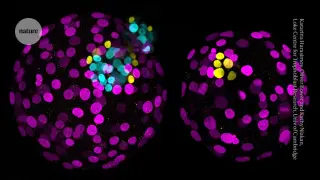
Researchers used base editing to disrupt NANOG in donated human embryos, revealing NANOG’s crucial role in forming the epiblast and early tissues, a finding not seen in mice and highlighting limits of animal models. While base editing appears more precise than CRISPR–Cas9 and may reduce some risks, mosaicism and other safety hurdles remain, and experts are calling for urgent ethical discussions about if, when, and how such germline edits could be used in humans.

Cross-phyla transplant uncovers ancient embryonic organizer
science3 months ago

Cross-phyla transplant uncovers ancient embryonic organizer

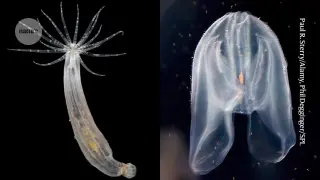
Scientists transplanted embryonic organizer tissue from a comb jelly into a sea anemone, producing extra mouths and pharynxes and showing that organizer cells can function across distantly related phyla, suggesting such developmental control mechanisms originated early in animal evolution; the finding rekindles debate about when animals first emerged, though some researchers remain skeptical.

Mapping Human Reproductive Tract Development Over Time
developmental-biology9 months ago

Mapping Human Reproductive Tract Development Over Time

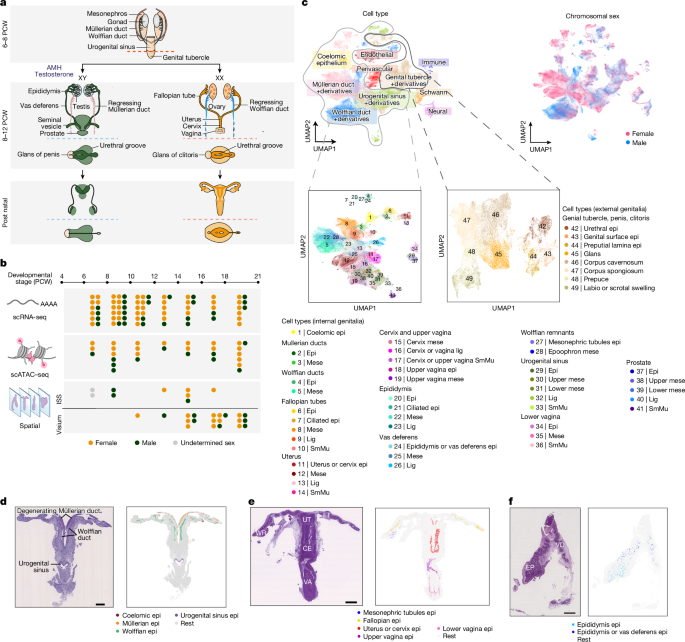
This study provides a comprehensive spatiotemporal single-cell atlas of human reproductive tract development from 6 to 21 weeks of gestation, revealing cellular differentiation, molecular patterning, and sex-specific development of internal and external genitalia, and identifying potential impacts of environmental chemicals on development.

Nobel Laureate John Gurdon, Pioneer in Cloning, Dies at 92
obituary1 year ago

Nobel Laureate John Gurdon, Pioneer in Cloning, Dies at 92

Nobel Laureate Sir John Gurdon, a pioneering developmental biologist known for his work on nuclear transfer and cellular reprogramming, has passed away at age 92. His research laid the groundwork for advances in stem cell biology, IVF, and genetics, earning him the 2012 Nobel Prize. He was a highly respected scientist, mentor, and leader at the University of Cambridge, leaving a lasting legacy in biomedical research.

Scientists Uncover First Juvenile Pleurosaurus, Solving 150-Million-Year Mystery
science1 year ago

Scientists Uncover First Juvenile Pleurosaurus, Solving 150-Million-Year Mystery

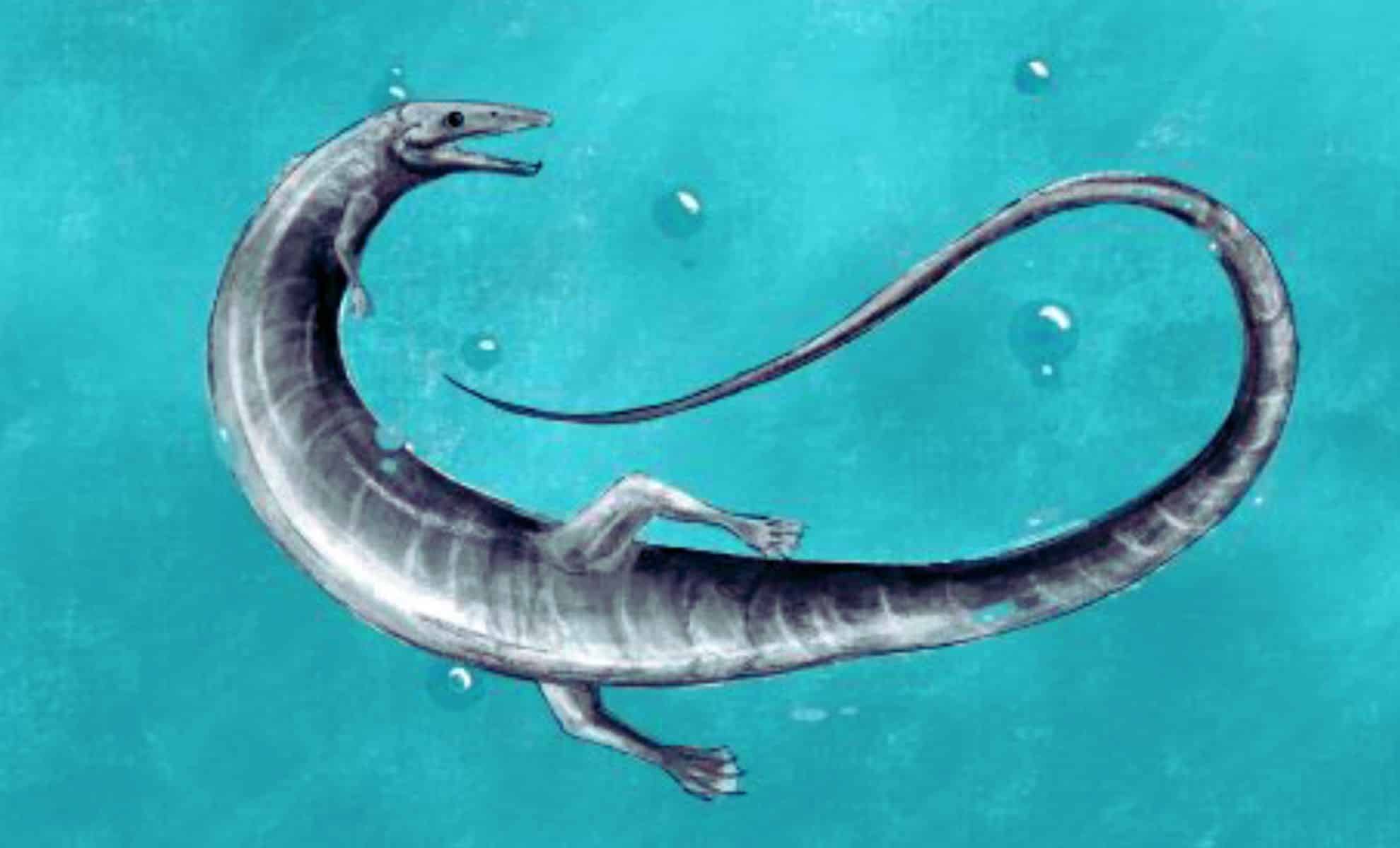
Scientists have discovered the first juvenile specimen of Pleurosaurus, a marine reptile from the Late Jurassic period, filling a crucial gap in understanding its growth and development. The find also challenges the classification of the genus Acrosaurus, suggesting it may not be a separate species but a juvenile stage of Pleurosaurus. The well-preserved fossil, found in Germany, provides new insights into the ontogeny of these extinct reptiles and highlights the importance of juvenile fossils in paleontological research.

Iron Deficiency in Pregnancy Alters Sexual Development in Male Mice
science1 year ago

Iron Deficiency in Pregnancy Alters Sexual Development in Male Mice

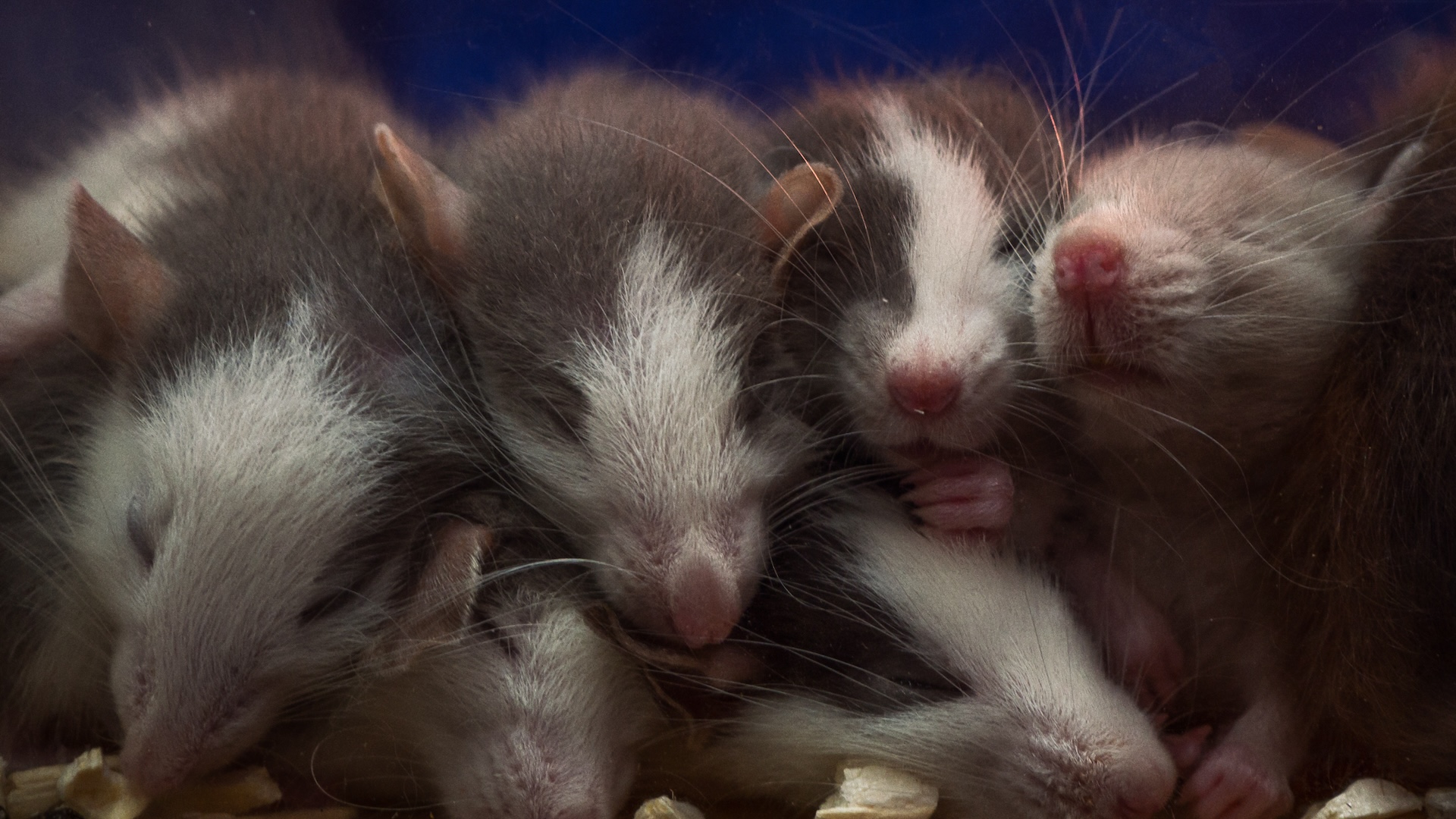
A new study in mice shows that iron deficiency during pregnancy can cause XY embryos to develop female characteristics by disrupting the activation of the SRY gene, which is crucial for male sex development. This finding suggests that nutrition and metabolic factors like iron may influence sex development, although further research is needed to determine if this applies to humans.