
Decade-long study maps insula’s distinct zones for pain, visceral, and cognitive sensations
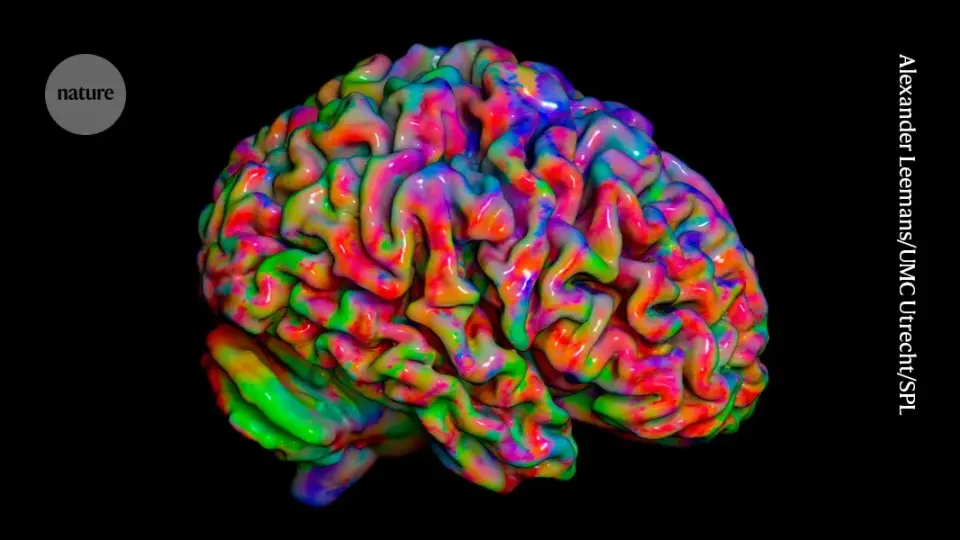
A comprehensive study published in Nature details the functional organization of the insular cortex, revealing distinct regions responsible for processing pain, visceral sensations, and cognitive-emotional interpretations. By analyzing electrical stimulation data from 87 patients over more than a decade, researchers found that the insula actively shapes bodily perceptions rather than merely receiving signals. The findings highlight a pathway connecting the insula to higher-order cognitive areas, suggesting the brain constructs the narrative of bodily experience through this deep-seated region.
Key points
- The insular cortex is organized into specific zones: the rear processes pain and heat, the middle handles visceral sensations like nausea, and the front connects to cognitive and emotional centers.
- Research utilized data from 87 individuals with implanted electrodes for medical reasons, as ethical constraints prevent deep-brain stimulation in healthy volunteers.
- Stimulating the rear insula induced sensations like tingling and numbness in limbs, while middle stimulation triggered chest fullness and nausea.
- The front insula communicates with other brain areas, indicating it influences how the brain interprets bodily signals, not just the raw sensation itself.
- The study represents the most comprehensive mapping of the insula to date, overcoming previous limitations of surface-level brain imaging techniques.
Background
This research builds on recent advancements in brain mapping, including the 2026 Nobel Prize awarded for optogenetics techniques that allow precise control of neural activity. While previous studies relied on imaging to observe insula activity during sensations, this work uses direct electrical stimulation to establish causal links. It also follows other 2026 breakthroughs in understanding unconscious brain processing, such as the Baylor College study on language processing under anesthesia, further challenging assumptions about how the brain handles complex information.
Why it matters
Understanding the insula’s role in shaping bodily perceptions could lead to new treatments for chronic pain, nausea, and disorders involving body-brain communication. By identifying specific zones responsible for different sensations, researchers may develop targeted interventions to modulate these experiences. The finding that the insula actively influences the 'story' of bodily feeling suggests potential avenues for treating conditions where perception is distorted, such as phantom limb pain or visceral hypersensitivity.
What to watch
Researchers may explore how the insula’s connections with cognitive areas can be modulated to treat sensory disorders. Future studies could investigate whether stimulating specific insula zones can alleviate chronic pain or nausea. Additionally, the detailed map may inform the development of brain-computer interfaces that can decode or adjust bodily sensations for patients with neurological injuries.
Want the full story? Read the original reporting
Read on Nature