
Lettuce and Tobacco Successfully Produce Meat Protein Myoglobin
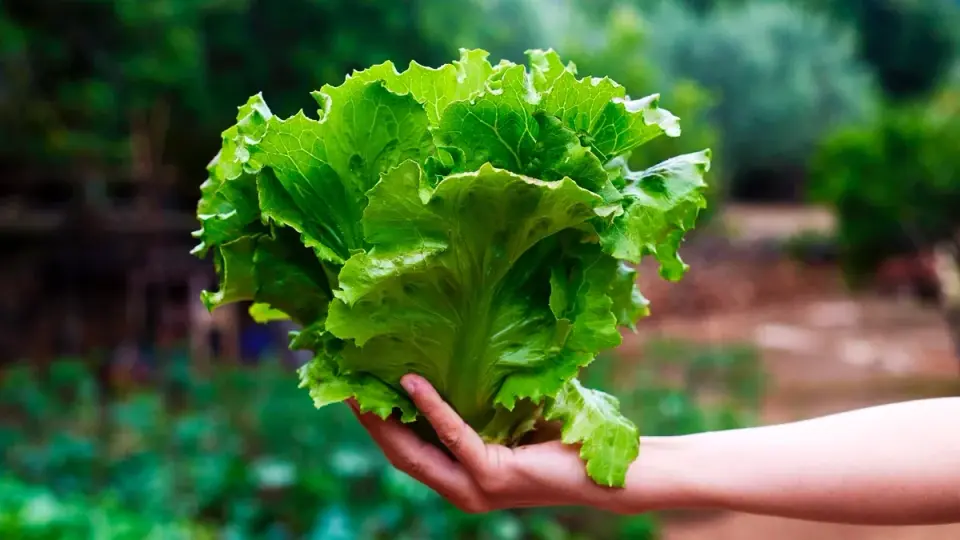
Researchers at Imperial College London have successfully engineered lettuce and tobacco plants to produce myoglobin, a key protein found in meat that contributes to its color and flavor. Published in Frontiers in Plant Science, the study demonstrates that higher plants can stably synthesize this animal protein using a 'gene gun' technique to insert pig myoglobin genes into plant chloroplasts. While the yield is currently lower than in animal muscle, the team argues that plant-based production could rival livestock efficiency per hectare due to significantly lower water and land use. The engineered plants remained healthy and fertile, with the trait passing to offspring, suggesting a viable path for sustainable molecular farming.
Key points
- Alexia Groff and colleagues at Imperial College London genetically modified lettuce and tobacco to produce myoglobin, a protein responsible for meat's desirable properties.
- The team used biolistic transformation, or a 'gene gun,' to insert pig myoglobin genes into the chloroplasts of the plants.
- Yields were approximately 810 mg per kg of dry weight in lettuce and 800 mg per kg in tobacco, which is about ten times lower than in animal muscle.
- Despite lower per-gram yields, the researchers argue that plant agriculture's resource efficiency could result in comparable or superior protein yields per hectare compared to livestock.
- The engineered plants showed no significant impairment in photosynthesis or fertility, and the genetic trait was successfully passed to the next generation.
- Future work will focus on improving heme incorporation to increase the proportion of fully assembled myoglobin and explore other high-value proteins.
Background
This development follows broader trends in sustainable food production and molecular farming, where scientists seek to reduce the environmental impact of meat consumption. While previous archive entries covered unrelated topics such as protein analysis in ancient hominins and Alzheimer's research, this study represents a direct application of genetic engineering to address the environmental costs of animal agriculture. The focus on myoglobin specifically targets the sensory and nutritional aspects of meat that are difficult to replicate in traditional plant-based alternatives.
Why it matters
This research offers a potential pathway to reduce the environmental footprint of meat consumption by shifting protein production to plants. By successfully producing myoglobin in crops, scientists may be able to create plant-based foods that more closely mimic the taste and texture of meat, potentially increasing consumer adoption. Furthermore, the efficiency of plant agriculture could lead to significant reductions in water use and greenhouse gas emissions compared to traditional livestock farming, addressing critical sustainability challenges in global food systems.
What to watch
The research team plans to refine the process to improve heme incorporation, which is currently a bottleneck limiting the production of fully functional myoglobin. They also intend to explore the production of other high-value food and functional proteins using the same chloroplast platform. Further studies are needed to accurately compare the economic and environmental benefits of plant-derived myoglobin with existing livestock farming methods.
Want the full story? Read the original reporting
Read on ScienceAlert