
Five-Year Lab Brain Organoids Push the Boundaries of Maturation
TL;DR
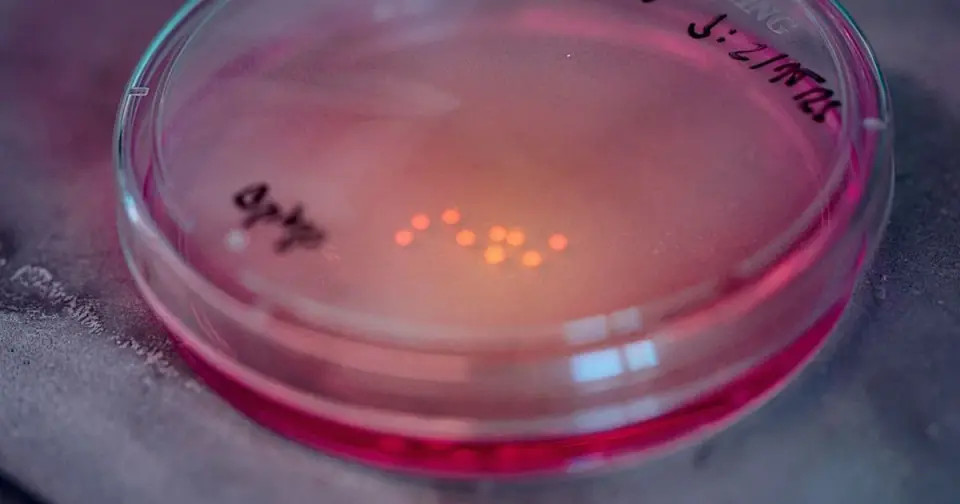
Scientists grew human brain organoids in the lab for five years, finding that their biological age tracks closely with time in culture and mirrors the developmental sequence of a human brain from gestation onward. The study, which sequenced RNA every six months across 34 organoids, showed these “clumps of brain cells” can remember developmental steps and record elapsed time, a finding scientists call a time warp. While the results are unsettling, long-lived organoids offer insights for drug testing, viral effects on neurodevelopment, and brain evolution, and researchers aim to accelerate maturation even further.
Topics:healthscience#brain-maturation#brain-organoids#in-vitro#neural-development#neuroscience#science
- We Are Admittedly Creeped Out by These Chunks of Human Brain Matter That Have Lived Longer Than a Toddler Yahoo
- Human brain organoids record the passage of time over multiple years Nature
- ‘Mini brains’ kept alive for years appear to age like real brains Scientific American
- Lab-grown brain models gain a sense of place Phys.org
- Unprecedented: Scientists Have Built Miniature Brains That Experience The Passage Of Time ScienceAlert
Want the full story? Read the original reporting
Read on Yahoo