
Gene Therapy Restores Damaged Retinal Connections in Dogs, Offering Hope for Human Vision Loss
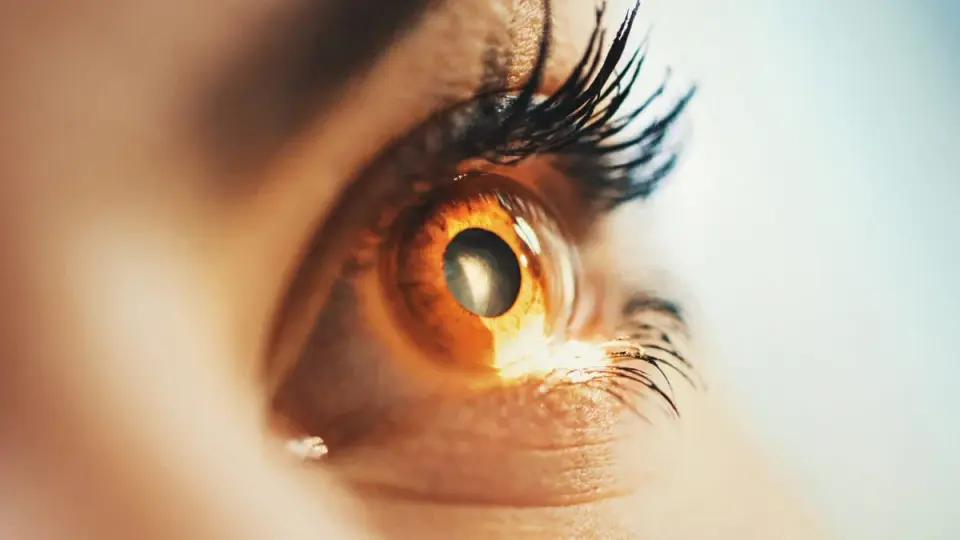
A single-dose gene therapy trial in whippet dogs has successfully halted and reversed vision loss caused by a faulty CaBP4 gene. The treatment not only improved sight but physically repaired damaged neural connections in the adult retina, challenging the belief that such repair is impossible in mammals.
Key points
- Researchers from Michigan State University published a study in Molecular Therapy Advances showing that a single injection of a harmless virus carrying a working copy of the CaBP4 gene restored vision in dogs with a rare inherited condition.
- The therapy did more than stop progression; it physically repaired pre-existing abnormalities in the outer plexiform layer (OPL) and elongated synaptic ribbons, indicating significant neural plasticity in the adult retina.
- Billie Beckwith-Cohen, a veterinary ophthalmologist involved in the study, noted that the treatment added new components and repaired existing faults, comparing the gene mutation to a typo in a blueprint that the therapy corrected like an editor.
- The condition, which affects both humans and dogs, causes poor vision from childhood due to faulty chemical signaling in the retina, with the most significant impact observed in dim light conditions.
- Follow-up periods of up to three years showed sustained benefits, with treated retinal regions degrading less than untreated areas, suggesting long-term stability of the repair.
Background
This development follows recent advances in vision restoration, such as activating dormant eye cells and protecting photoreceptors. While the CaBP4 condition is rare, the success in dogs suggests potential for broader applications in repairing damaged neural networks in humans, building on a decade of research into these eye conditions.
Why it matters
This study challenges the long-held assumption that adult mammalian retinas cannot repair damaged connections. If the approach translates to humans, it could offer transformative treatments for inherited sight conditions and potentially other neural disorders, providing a new avenue for restoring vision and function in patients with severe synaptic dysfunction.
What to watch
Researchers will now focus on translating these findings to human patients, exploring the role of calcium signaling in cell communication, and investigating other methods for repairing damaged neural networks. The team is confident the approach will work in humans, though further clinical trials are needed to confirm efficacy and safety.
Want the full story? Read the original reporting
Read on ScienceAlert