
Guinea-Bissau Halts Controversial US-Funded Hepatitis B Trial After Police Raid
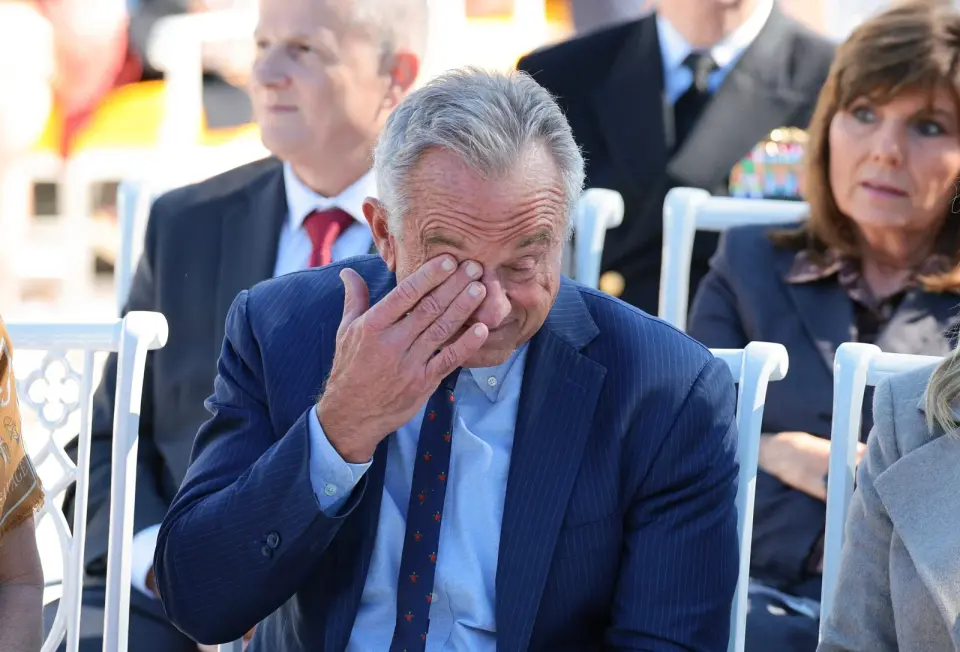
A US-funded clinical trial in Guinea-Bissau, designed to withhold hepatitis B vaccines from newborns to study alleged side effects, has been permanently cancelled. The study, championed by Health Secretary Robert F. Kennedy Jr. and funded by the CDC, faced intense international backlash for violating ethical standards. After a police raid seized vaccine doses, the government formally rejected the project, marking a significant defeat for anti-vaccine advocacy efforts.
Key points
- The trial, led by Danish researchers at the Bandim Health Project, would have withheld the hepatitis B birth dose from 7,000 of 14,000 newborns in Guinea-Bissau to study 'non-specific effects.'
- The project received $1.6 million from the US CDC and was championed by Robert F. Kennedy Jr., who praised the researchers as 'deities of vaccine research.'
- Critics, including the WHO and medical experts, condemned the trial as unethical, comparing it to the Tuskegee experiment due to the risk of exposing infants to a virus with no cure.
- Guinea-Bissau’s transitional government formally rejected the trial on October 16, 2026, and judicial police raided the researchers' offices on October 19, seizing vaccine doses.
- The CDC and Kennedy’s allies initially defended the trial, but it was halted after international outcry, resignations from a Danish ethics board, and a formal government refusal to authorize it.
Background
This incident follows a broader pattern of vaccine-related controversies under the current US administration. In September 2026, a measles outbreak in Lancaster County, Pennsylvania, resulted in two infant deaths, sparking debates over federal health policies and data reporting. The Guinea-Bissau trial is part of a larger effort by RFK Jr. to end the universal practice of immunizing newborns against hepatitis B in the US, a move that has faced legal challenges and scientific criticism.
How outlets are covering it
The Defector and Rolling Stone portray the trial as a 'malevolent plot' and a 'cratered medical ethics' issue, emphasizing the potential harm to African children and the influence of RFK Jr. The Guardian highlights the power asymmetry between Western researchers and African nations, noting the lack of public health infrastructure in Guinea-Bissau. Ars Technica provides a more neutral account, quoting the researchers' defense that the trial would not deprive children of vaccines they would otherwise receive, while also noting the WHO's condemnation. All sources agree on the trial's cancellation but differ in their characterization of the ethical and political implications.
Why it matters
The cancellation of this trial underscores the ongoing tensions between US health policy and international ethical standards. It highlights the potential for political influence to override scientific consensus in public health decisions, with significant implications for global vaccine distribution and the trust of developing nations in Western-led research initiatives.
What to watch
The CDC is expected to face scrutiny from Congress over the use of federal funds for the trial. RFK Jr. may continue to push for changes in US immunization practices, but the legal challenges and international backlash could limit his ability to implement such policies. The Bandim Health Project has stated it will not relocate the trial, but the controversy may lead to increased oversight of research ethics in low- and middle-income countries.
- The U.S.-Funded Plan To Kill Infants In Africa By Withholding Vaccines Has Been Thwarted Defector
- RFK Jr’s ‘deities of vaccine research’ raided by police in Guinea-Bissau The Guardian
- US-backed vaccine trial on babies canceled after international outcry Ars Technica
- A Controversial Hepatitis B Vaccine Study Championed by RFK Jr. Is Axed After Widespread Backlash Rolling Stone
- RFK Jr.’s push for anti-vaccine experiment on African babies was never a good idea Yahoo
Want the full story? Read the original reporting
Read on Defector