
Macaques Show Heightened Germ Aversion After Viral Outbreak
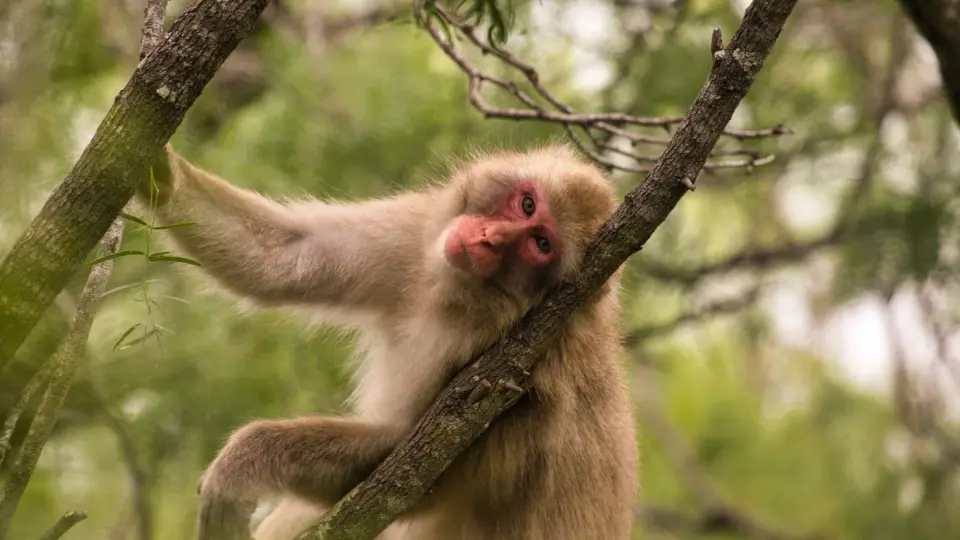
A study published in Royal Society Open Science indicates that macaques who survived a viral outbreak in Texas became significantly more cautious about potential disease sources. Researchers found that monkeys exposed to the Simian Retrovirus (SRV) were far less likely to eat food presented on feces compared to unexposed peers, suggesting that direct experience with illness can trigger lasting changes in risk-averse behavior similar to human germophobia during pandemics.
Key points
- Researchers at UC San Diego tested 100+ macaques at a Texas sanctuary using a choice between a clean grape and one placed on epoxy-encased feces.
- Monkeys that had not experienced the 2020 SRV outbreak ate the feces-plated grape 79% of the time, while only 47% of outbreak veterans chose it.
- The SRV outbreak in 2020 caused rapid death or chronic immunodeficiency in affected monkeys, leading to strict separation of infected and uninfected groups.
- The study suggests that experiencing a severe outbreak may heighten sensitivity to disgust, acting as an evolutionary mechanism to avoid pathogens.
- Critics note the experiment occurred years after the outbreak and that the virus spread via bodily fluids, not feces, complicating the direct link between the two.
Background
This research builds on earlier observations that various animals, including nematodes, naturally avoid feces to prevent disease. While previous studies focused on innate avoidance, this new work examines how flexible that avoidance is in response to recent traumatic experiences. The findings parallel human behaviors during the early stages of COVID-19, where uncertainty about transmission led to extreme precautionary measures despite later knowledge of airborne spread.
Why it matters
Understanding how animals adjust their risk tolerance after disease exposure provides insights into the evolutionary roots of human germophobia. It suggests that heightened caution after a crisis is not merely irrational panic but a potential adaptive strategy to protect against unknown pathogens, offering a biological framework for understanding public health responses during future outbreaks.
What to watch
Researchers plan to continue monitoring these behavioral changes to determine if the heightened caution persists long-term or fades over time. Further studies are needed to isolate the specific factors driving this change, as current data does not fully account for other variables that may have influenced the monkeys' behavior in the years following the 2020 outbreak.
Want the full story? Read the original reporting
Read on NPR