
H5N1 bird flu could devastate Australia’s shrinking sea lion population
TL;DR
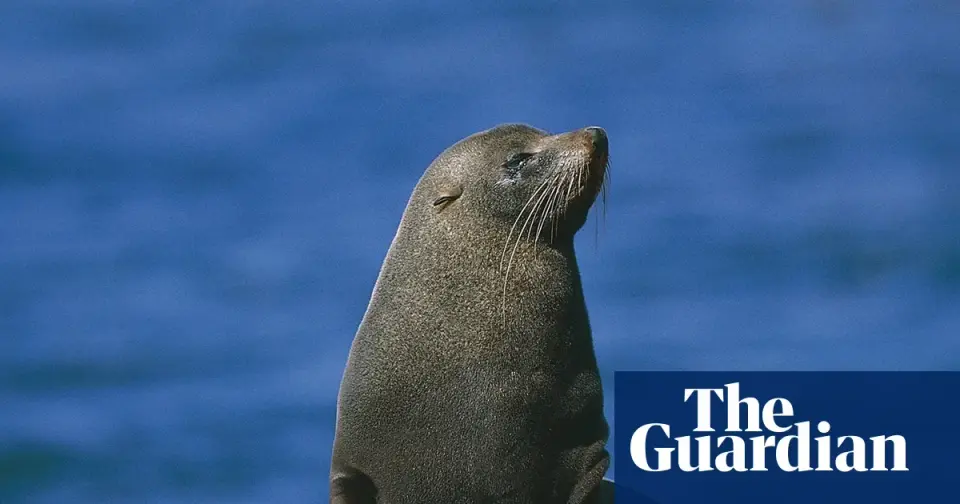
Scientists warn that the H5N1 bird flu detected in a dead long-nosed fur seal in South Australia could trigger substantial declines in Australia’s already small sea lion and seal populations, with about 12,000 sea lions remaining. The virus could spread quickly through breeding colonies and contaminate the environment, prompting monitoring for more mammal infections and consideration of vaccination for at‑risk species, as researchers note parallels with devastating outbreaks in seabirds and other pinnipeds elsewhere.
Topics:healthscience#australian-sea-lions#conservation#h5n1-bird-flu#long-nosed-fur-seals#pinnipeds#science
- Australia has just 12,000 sea lions left – and ‘carnage’ may await them as bird flu takes hold, scientists warn The Guardian
- Australia confirms H5N1 bird flu case in local mammal DW.com
- Backyard bird feeding could be a bird flu ‘superspreader’. An expert explains The Conversation
- How do you vaccinate 1,000 tiny penguins against bird flu in the wild? It’s ‘really tricky’ but there is a way The Guardian
- Bird flu suspected as 1,000 birds found dead in three mass mortality events ABC News & Headlines – Australian Broadcasting Corporation
Want the full story? Read the original reporting
Read on The Guardian