
Skull Bone Marry Hosts Hidden Immune Organs to Fight Brain Cancer
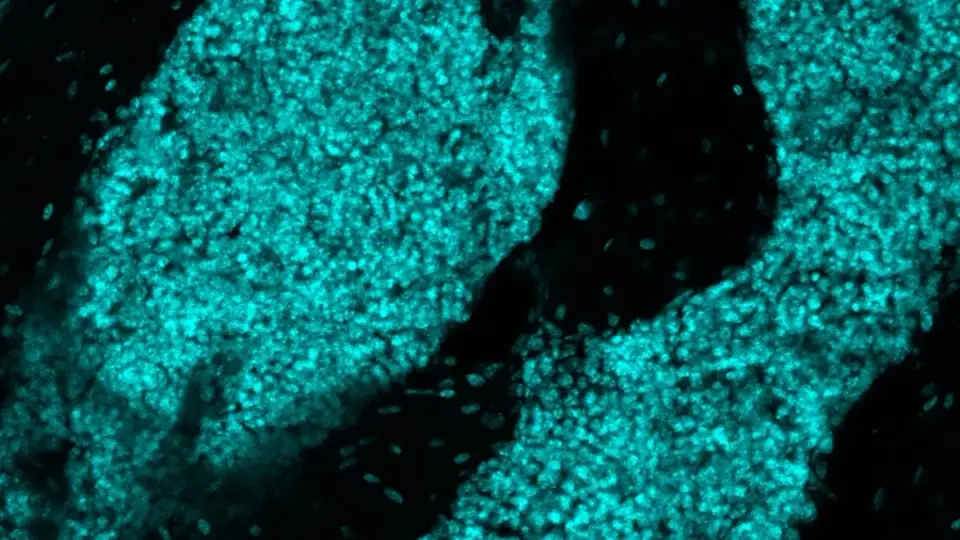
Researchers at Washington University in St. Louis have identified a previously unknown immune organ within the skull bone marrow. Published in Nature, the study reveals that these structures act as localized 'security stations' for the central nervous system, distinct from the body's peripheral immune system. By tracking molecules through channels in the dura mater, scientists found germinal centers in mouse skulls that train B cells to fight brain-specific threats. In glioma models, enhancing these structures improved survival rates, suggesting a potential future therapy for brain tumors and other neurological conditions.
Key points
- A new study in Nature identifies a novel immune organ located within the skull bone marrow, distinct from the peripheral immune system.
- The structure functions as a 'security station' for the brain, containing germinal centers that train B cells to combat pathogens and tumors.
- Researchers used fluorescent tracers to track molecules moving from brain tissue through the dura mater into the skull bone marrow.
- In mouse models of glioma, disrupting these structures led to more aggressive tumors, while immune-boosting hydrogels improved survival rates.
- Evidence suggests humans may possess similar structures, as follicular T cells have been detected in human skull bone marrow.
Background
Prior research by the same team identified channels connecting brain tissue to the skull through the dura mater. This new study builds on that work by confirming the presence of active immune hubs within the skull bone marrow, challenging the long-held belief that the central nervous system and peripheral immune systems are completely separate.
Why it matters
This discovery could revolutionize the treatment of brain cancer and other neurological diseases. Instead of invasive brain surgery, future therapies might involve injecting immune-boosting compounds under the scalp to activate these local immune hubs. This approach could provide targeted defense against brain tumors and potentially aid in treating conditions like Alzheimer's, Parkinson's, and long COVID, which have immune components, while minimizing peripheral side effects.
What to watch
Researchers will investigate whether these structures exist in humans and explore the development of hydrogel-based therapies to activate skull immune hubs. Further studies will determine if this mechanism can be applied to treat other neurological conditions with immune components.
Want the full story? Read the original reporting
Read on ScienceAlert