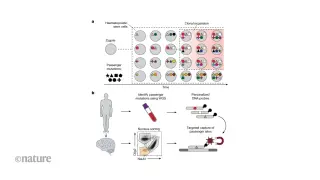
A lineage-tracing study shows that aging human brains replace resident microglia with circulating immune cells, revealing a surprising brain–body immune link; somatic mutations are used to map the microglial lineage across life.
Scientists have identified a skull bone marrow niche that acts as a brain-focused immune hub, with channels linking brain tissue to skull lymphoid structures. In mouse glioma models, boosting these skull hubs improved anti-tumor responses and survival, hinting at a potential, less invasive therapy for brain cancer—pending confirmation that humans have similar structures and translating the approach to clinics.
A 128-participant fMRI study from Guangzhou University links the type and timing of childhood maltreatment to lasting neuro-immune changes: early childhood abuse (ages 1–11) modulates amygdala–IL-8 coupling during fear learning, late adolescence neglect (ages 12–18) reshapes vmPFC–IL-8 connections, and early neglect alters amygdala–vmPFC and hippocampus–vmPFC connectivity with IL-17; the findings support a maturation-matched vulnerability and point to therapies that target both fear circuits and systemic inflammation.
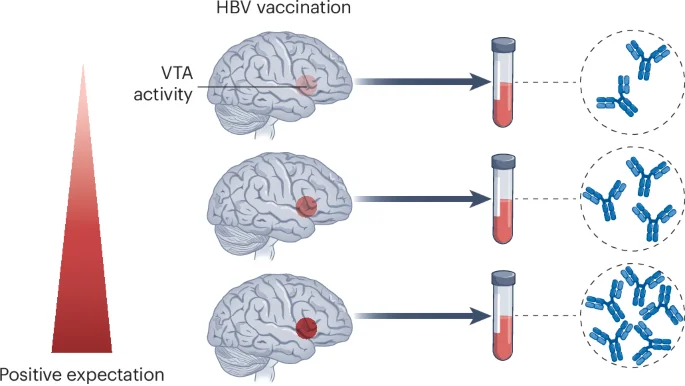
A randomized trial provides direct human evidence that the placebo effect can shape humoral immunity: reward-related brain activity correlates with vaccine-induced antibody production, suggesting new ways to influence immune responses beyond the vaccine itself.
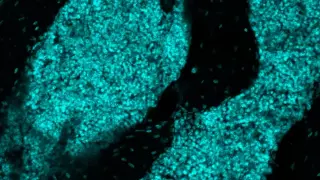
The article discusses how microglia-neuron interactions via the Hex–GM2–MGL2 pathway are crucial for maintaining brain homeostasis, highlighting the importance of neuroimmune communication in brain health.
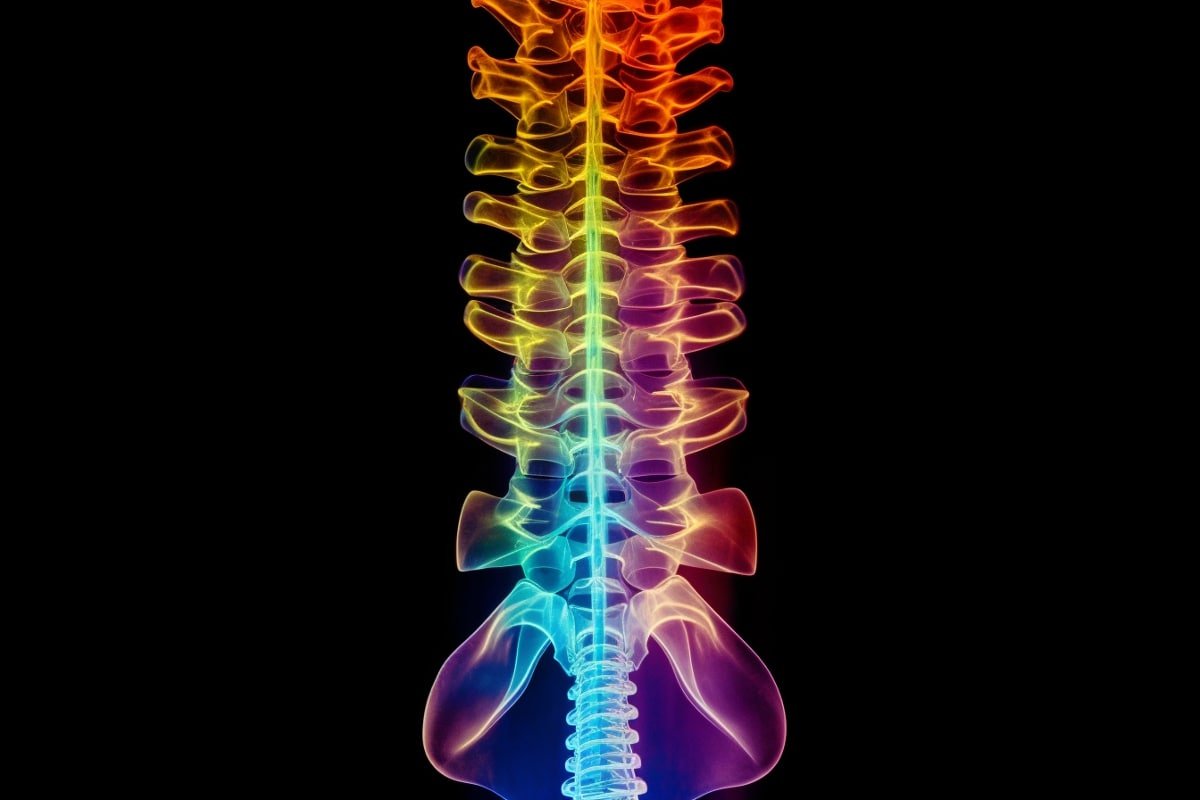
The immune response to spinal cord injuries weakens as people age, according to new research. The study highlights the critical role the membranes surrounding the spinal cord play in this immune response. The findings could help develop treatments to bolster the body’s immune response, improving outcomes for patients, particularly the elderly. The meninges surrounding the spinal cord play an essential role in the immune response to spinal-cord injury. The discovery of the unknown vessels in the membranes, or meninges, surrounding the brain rewrote textbooks and opened a whole new frontier in neurological research.