
Mice engineered with human brain cells spark breakthrough in brain disease research
TL;DR Summary
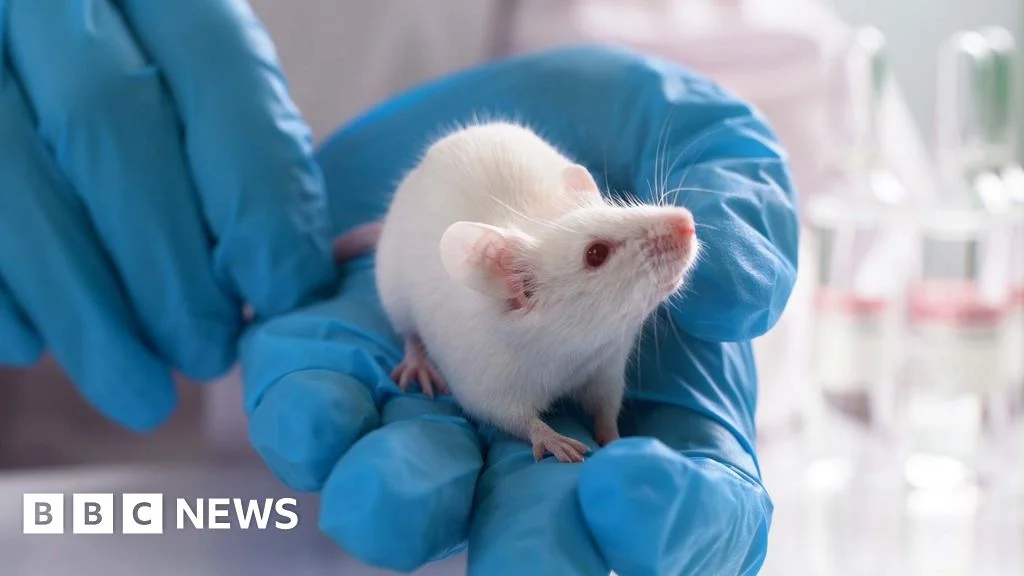
Stanford researchers transplanted human brain organoids into mice with greatly reduced cortex, enabling human cells to integrate with the mouse brain and circuits. The animals showed largely normal behavior, offering a potential new model for studying human brain disorders and testing treatments, but the work does not make mice think like humans and raises significant ethical questions about animal cognition and welfare.
- Part-human part-mouse brain developed in science breakthrough BBC
- Developmental xenocortication using human-derived organoids in mice Nature
- Researchers have created a mouse with a partly human brain The Economist
- Scientists Created Mice With Half-Human Brains. The Hybrid Animals Could Revolutionize Our Understanding of Neurological Disorders Smithsonian Magazine
- Stanford Medicine team creates advanced model for studying brain development, disorders Stanford Medicine
Reading Insights
Total Reads
1
Unique Readers
6
Time Saved
5 min
vs 6 min read
Condensed
94%
1,094 → 62 words
Want the full story? Read the original article
Read on BBC