Tag

Mouse Model

All articles tagged with #mouse model

Gut bacteria hitch a ride to the brain via the vagus nerve, mouse study suggests
science20 days ago

Gut bacteria hitch a ride to the brain via the vagus nerve, mouse study suggests

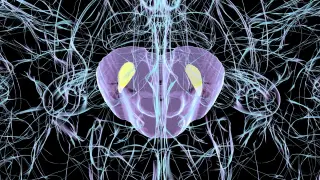
Emory researchers in mouse models of leaky gut and disease show very small numbers of live gut bacteria can reach the brain, with evidence that the vagus nerve serves as the main route; blocking the nerve reduced brain bacterial presence, suggesting a gut-to-brain transmission axis influenced by diet and genetics and potentially reversible by restoring gut integrity. The findings, published in PLOS Biology, are not yet known to occur in humans and the bacteria were present in very low amounts, leaving open questions about their role in inflammation or disease and whether future gut-targeted therapies could affect brain conditions.

Cloaked mitochondria extend survival in mouse model of mitochondrial disease
science22 days ago

Cloaked mitochondria extend survival in mouse model of mitochondrial disease

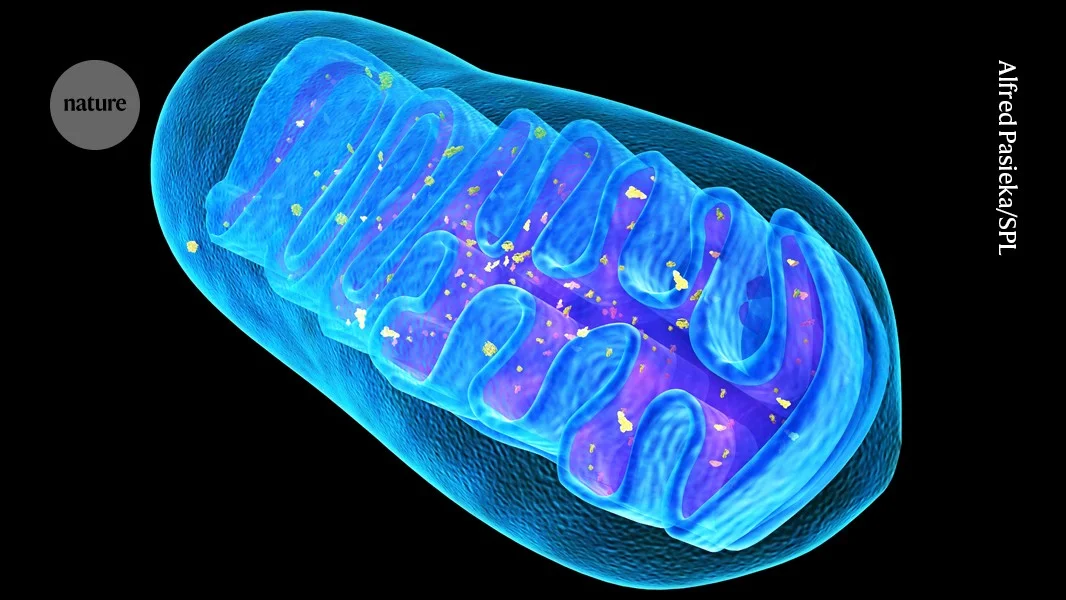
Researchers wrapped mitochondria in red blood cell membranes to shield them from destruction and facilitate cellular entry. In a Leigh syndrome mouse model, this capsule-like delivery increased survival by about two weeks (roughly 20%), with ~80% of cells taking up the mitochondria—significantly higher than naked mitochondria. The approach preserves the mitochondria’s membrane potential, marking a major efficiency advance, though some scientists caution that claims such as preventing Parkinson’s disease in mice may be overstated.

Mild COVID-19 May Leave Lasting Brain Changes, Tulane Study Finds
health1 month ago

Mild COVID-19 May Leave Lasting Brain Changes, Tulane Study Finds

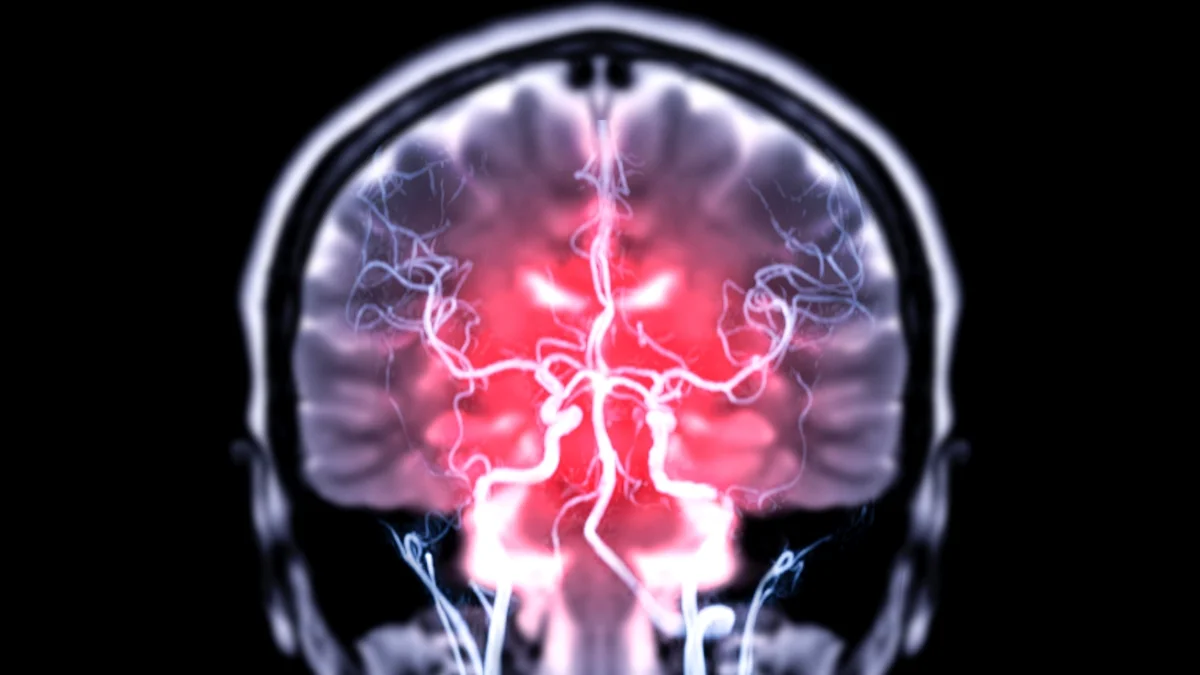
A Tulane study using a mouse model found that while both COVID-19 and influenza can cause lasting lung injury, only SARS-CoV-2 infection led to persistent brain inflammation and microvascular damage after the virus was no longer detectable, helping explain long-COVID brain symptoms and highlighting distinct brain-attack mechanisms from flu; findings could inform post-infection monitoring and treatment.

Mice study hints at nasal vaccine for universal respiratory protection
science1 month ago

Mice study hints at nasal vaccine for universal respiratory protection

Stanford Medicine researchers report an intranasal vaccine that activates innate and adaptive immunity to provide months-long protection in mice against a broad spectrum of respiratory threats—SARS-CoV-2 and other coronaviruses, Staphylococcus aureus, Acinetobacter baumannii, and house dust mite allergen—suggesting a path toward a universal respiratory vaccine, with human safety trials planned next.

Tracking Protein Shifts in the Aging Process
science1 year ago

Tracking Protein Shifts in the Aging Process

Researchers at Osaka Metropolitan University have developed the Mouse Aging Proteomic Atlas, a comprehensive database mapping protein changes in major tissues of aging mice. This atlas reveals proteins linked to aging, particularly in the extracellular matrix, enhancing our understanding of molecular aging and identifying potential targets for preventing age-related diseases. The study provides valuable insights into age-related post-transcriptional dysregulation and its impact on protein expression across different tissues.

Innovative Genetic Model Advances Breast Cancer Research
health1 year ago

Innovative Genetic Model Advances Breast Cancer Research

Researchers at Michigan State University have developed a new genetic model to study breast cancer, focusing on the E2F5 gene's role in tumor development and metastasis. This model, which uses genetically engineered mice, offers insights into how breast cancer spreads to organs like the liver and bones, rather than just the lungs, making it more relevant to human cases. The research aims to identify specific genes regulated by E2F5 that drive cancer progression, potentially leading to targeted therapies with fewer side effects in the future.

"Novel Fungal Probiotics Show Promise in Improving Gut Health and Reducing Long COVID Symptoms"
health2 years ago

"Novel Fungal Probiotics Show Promise in Improving Gut Health and Reducing Long COVID Symptoms"

Two specific strains of fungi, Cyberlindnera jadinii and Kluyveromyces lactis, commonly used in food production, have shown positive probiotic effects on gut inflammation in a mouse model. The study, published in mSystems, highlights the potential of these fungi in treating inflammatory bowel disease (IBD), such as ulcerative colitis and Crohn's disease. However, further research is needed before applying these findings to human clinical settings. Probiotics, including bacterial strains, are known to support gut health, and while the role of fungi in gut microbiome is understudied, this research opens up new possibilities for understanding the impact of fungi on gut health.