
New DNA Sequencing Uncovers Centuries of Biological History in Shroud of Turin
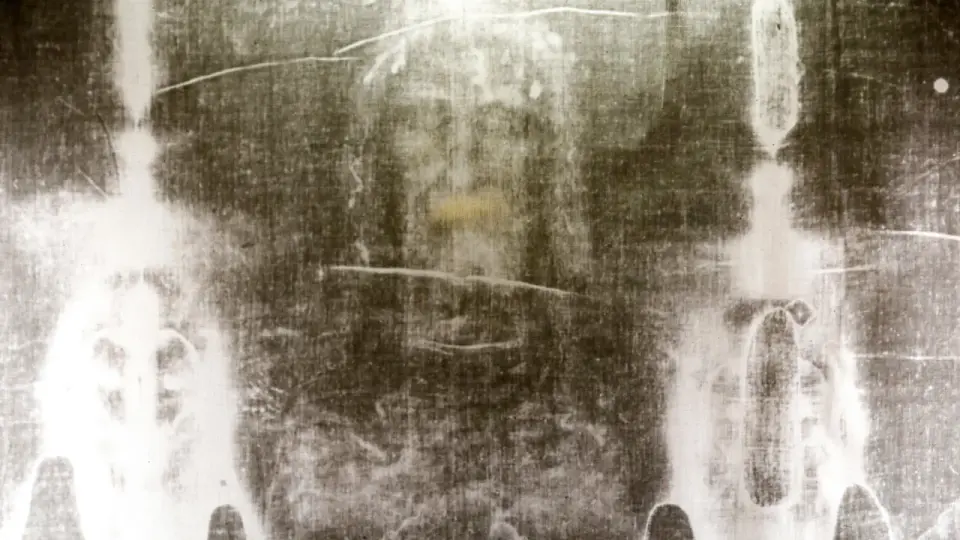
Researchers have used advanced DNA sequencing on samples from the Shroud of Turin collected in 1978 to reveal a complex biological history. The analysis identified genetic traces from humans, plants, animals, and microbes, including Mediterranean red coral, but cannot determine the cloth's age or authenticity.
Key points
- Scientists applied PCR-free next-generation metagenomic sequencing to 1978 samples, identifying DNA from humans, bacteria, fungi, plants, animals, and coral.
- The study found multiple human mitochondrial DNA lineages and a diverse microbiome, including archaea adapted to salty environments.
- Plant DNA included wheat, carrots, maize, bananas, and peanuts, while animal DNA included cattle, pigs, chickens, dogs, and cats.
- Researchers emphasize that the findings cannot establish the Shroud's age or authenticity due to centuries of accumulated biological material.
- The study demonstrates how modern forensic genomics and proteomics can extract new information from historical artifacts.
Background
The Shroud of Turin has been a subject of extensive scientific and religious debate for centuries, with previous studies often focusing on its age or the nature of the image. Recent advancements in ancient DNA analysis, such as those used to trace Germanic and Celtic migrations, have highlighted the potential of genetic evidence in historical research. This new study builds on those methods by applying them to a highly contested religious artifact, offering a new perspective on its environmental history rather than its origin.
Why it matters
This research demonstrates the potential of modern forensic science to uncover hidden historical information in long-studied artifacts. By revealing the complex biological interactions the Shroud has undergone, it provides a new layer of understanding about its journey through different environments and cultures, even if it does not resolve the debate over its authenticity.
What to watch
Further research may focus on refining the dating of specific DNA traces to better understand the timeline of the Shroud's history. Additionally, the application of proteomics alongside genomics could yield more insights into the biological materials preserved in the cloth.
Want the full story? Read the original reporting
Read on Science Daily