
Invasive Mosquitoes Expand U.S. Range, Raising Public Health Risks
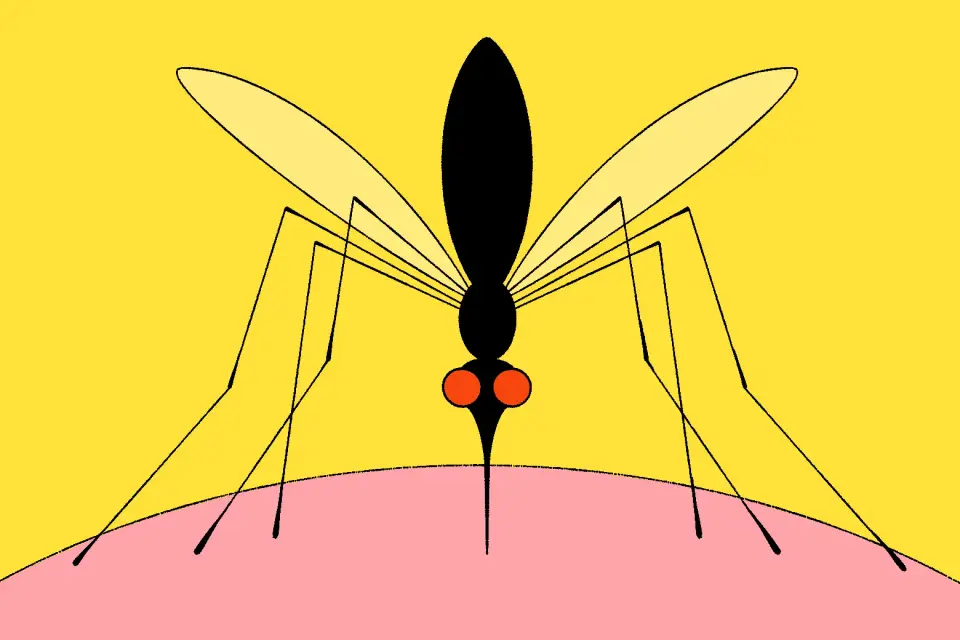
Aedes aegypti and Aedes albopictus mosquitoes are expanding into new U.S. regions, increasing the risk of dengue, Zika, and other diseases. Warmer climates and urban infrastructure facilitate their spread, while inconsistent local control programs and federal funding cuts hinder prevention efforts.
Key points
- Aedes aegypti has established itself in mountainous Colorado and was found in Oregon in 2024 and Idaho in 2025, while Aedes albopictus has reached New England and the lower Great Lakes.
- Global warming extends mosquito seasons and increases biting frequency, accelerating the spread of diseases like dengue, which affects over 3.9 billion people globally.
- Salt Lake City employs a bicycle brigade to treat 75,000 stormwater catch basins monthly and uses a fish hatchery to provide mosquito-eating fish to residents.
- Aedes albopictus adapts quickly to new climates and urban environments, recently causing the first locally acquired chikungunya case outside the South in Long Island.
- Federal funding cuts at the NIH and CDC threaten surveillance and research, while local governments often lack dedicated budgets for consistent mosquito control.
Background
Mosquito-borne diseases have historically been concentrated in tropical regions, but climate change and urbanization are shifting their range. Previous archive entries do not provide relevant background on this specific topic, as they cover unrelated subjects like entertainment, gaming, and automotive markets.
Why it matters
The expansion of invasive mosquito species into previously inhospitable U.S. areas threatens public health by increasing the risk of outbreaks for dengue, Zika, chikungunya, and yellow fever. Effective mitigation requires sustained local surveillance and control measures, which are currently undermined by inconsistent funding and reactive government responses.
What to watch
Public health officials anticipate more frequent disease outbreaks as mosquito populations grow and adapt to northern climates. Experts urge increased investment in surveillance programs and integrated management strategies to prevent the establishment of these vectors in new regions.
Want the full story? Read the original reporting
Read on slate.com