
Ohio State Study Links Adolescent Brain Circuit Disruption to Adult Social Motivation
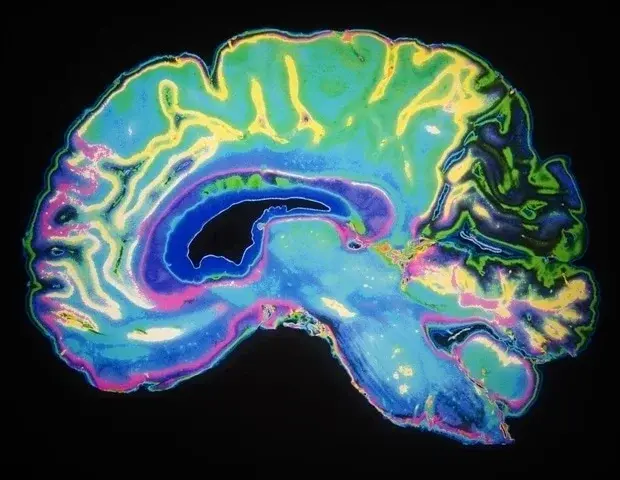
A new mouse study from Ohio State University suggests that disrupting a specific brain circuit during adolescence leads to reduced social motivation in adulthood. The research, presented at the Society for Neuroscience’s annual meeting, indicates that the prefrontal cortex–ventral striatum pathway is uniquely sensitive during this developmental window. While inhibiting this circuit in adult mice caused only temporary changes, doing so during adolescence resulted in lasting behavioral deficits. These findings highlight adolescence as a critical period for wiring social behavior and may offer insights into psychiatric disorders that emerge during the teenage years.
Key points
- Researchers at Ohio State University found that inhibiting the prefrontal cortex–ventral striatum (PFC-vSTR) circuit in adolescent mice resulted in lower social motivation in adulthood.
- In contrast, inhibiting the same circuit in adult mice caused only a temporary dip in social investigation, suggesting adolescence is a uniquely sensitive period for this neural development.
- The study, led by doctoral candidate Katrina Lin and associate professor Laurence Coutellier, was presented as a poster at the Society for Neuroscience’s 2026 annual meeting.
- The prefrontal cortex, which matures last in the human brain (around age 25), is associated with decision-making, impulse control, and social behavior.
- The findings may help explain why many psychiatric disorders, such as depression and schizophrenia, first emerge during adolescence and often involve social withdrawal.
Background
This research builds on over a decade of work by Coutellier’s lab, which has focused on the prefrontal cortex and its role in neuropsychiatric symptoms. The lab has also studied how environmental factors, such as social isolation during the COVID-19 pandemic, might impact the developmental trajectory of social circuits. Recent related studies have explored other neural pathways, including dopamine mechanisms linking gut nutrients to food preference and psilocybin’s effects on brain plasticity, highlighting the broader interest in how specific circuits influence behavior and mental health.
Why it matters
Understanding the neural mechanisms that shape social behavior during adolescence could lead to better interventions for psychiatric disorders that first appear in the teenage years. By identifying critical periods for brain circuit development, researchers may be able to target specific environmental or genetic factors that contribute to social withdrawal and cognitive deficits, potentially improving outcomes for individuals with conditions like depression and schizophrenia.
What to watch
Coutellier’s lab plans to further investigate how environmental factors, such as social isolation, influence the maturation of the PFC-vSTR circuit. The team is also studying mouse behaviors that resemble traits observed in people with schizophrenia, aiming to understand what genetic and environmental factors trigger these symptoms during the sensitive period of adolescence.
Want the full story? Read the original reporting
Read on News-Medical