
Researchers Uncover Hidden Lymphatic Drainage Pathway in the Back of the Eye
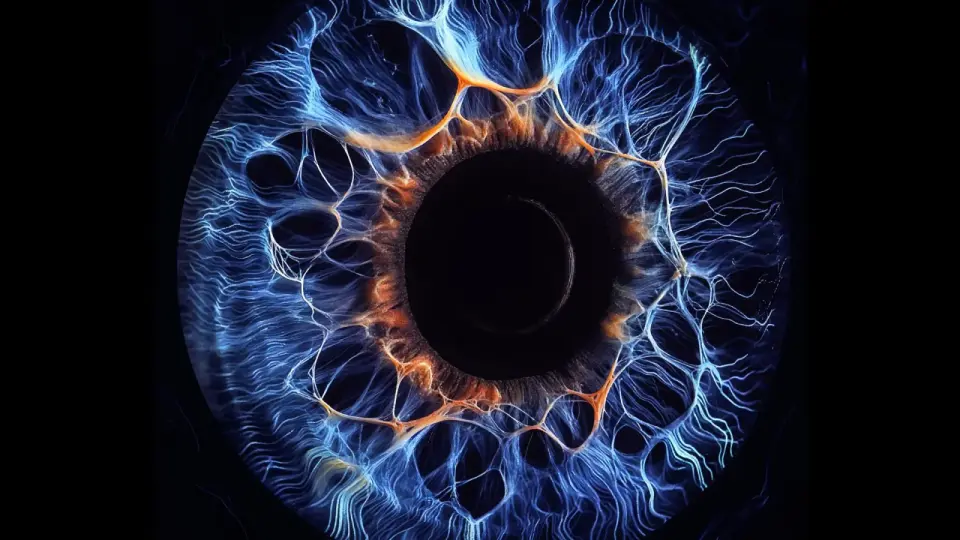
A team from the University of British Columbia and the University of Toronto has identified a previously unknown drainage route in the back of the eye, named the posterior ocular lymphatic outflow (POLO) pathway. This system transports fluid and metabolic waste from the retina into the body’s lymphatic network. The discovery challenges a century-old belief that the eye lacked lymphatic drainage and offers new potential targets for treating blindness-causing conditions like glaucoma and macular degeneration.
Key points
- The POLO pathway was identified in mice using MRI, near-infrared fluorescence imaging, and microscopy.
- Fluorescent tracers injected into the back of the eye reached nearby lymph nodes within minutes.
- Small lymphatic vessels were found in the choroid, a layer beneath the retina previously thought to lack such structures.
- The finding challenges the long-held assumption that the eye is isolated from the body’s lymphatic system.
- The discovery may lead to new therapies for conditions involving fluid buildup, such as glaucoma and age-related macular degeneration.
Background
In 2009, Dr. Neeru Gupta and Dr. Yeni Yücel identified a lymphatic drainage route in the front of the eye, known as the uveolymphatic pathway. However, the back of the eye remained largely unexplored until this recent study. This new finding builds on that earlier work, addressing a critical gap in understanding how the retina, a highly metabolically active tissue, manages waste removal.
How outlets are covering it
All three sources agree on the core discovery: the existence of the POLO pathway in mice and its potential implications for eye disease treatment. ScienceDaily emphasizes the broader impact on understanding eye physiology and the potential for new therapeutic targets. UA.NEWS focuses on the technical methods used, such as MRI and fluorescence imaging, and the specific anatomical findings in the choroid. The News International highlights the speed of fluid movement, noting that tracers reached lymph nodes within minutes, and reiterates the challenge to a century-old medical belief. All sources caution that the findings are based on mouse studies and require further validation in humans.
Why it matters
This discovery provides a new framework for understanding how the eye manages fluid and waste, which is critical for preventing and treating conditions that cause permanent vision loss. If the POLO pathway can be enhanced or targeted, it could lead to new treatments for glaucoma, macular degeneration, and other retinal disorders. Additionally, understanding this drainage route may improve drug delivery to deep structures within the eye, potentially enhancing the effectiveness of existing therapies.
What to watch
Researchers must now determine how the POLO pathway functions in humans and whether changes in this system contribute to eye diseases. Future studies will explore whether the pathway’s activity can be safely modified to improve fluid clearance or reduce inflammation. If successful, these findings could lead to new therapeutic approaches for preventing and treating blindness-causing conditions.
- The eye has a hidden cleanup system scientists never knew existed Science Daily
- Scientists identify fluid outflow pathway from the back of the eye in mice — ScienceDaily UA.NEWS
- Scientists discover hidden drainage route at the back of the eye The News International
- Scientists Discover Hidden Cleansing System in the Eye Nacionale News
Want the full story? Read the original reporting
Read on Science Daily