
Skin Chemistry, Not Blood Sugar, Determines Mosquito Bite Risk
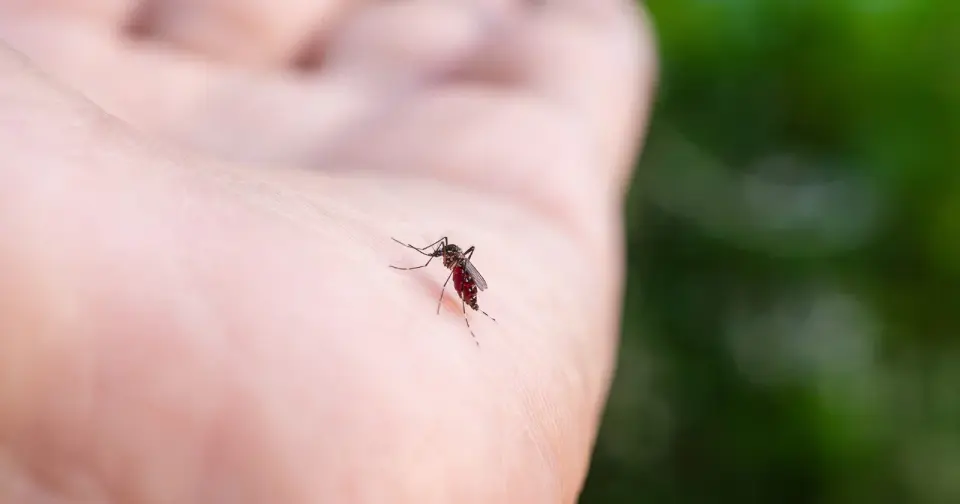
A 2022 study by Rockefeller University researchers found that individual susceptibility to mosquito bites is driven by skin-derived carboxylic acids, not blood sugar. These compounds, linked to sebum and skin bacteria, create a stable chemical signature that makes some people up to 100 times more attractive to Aedes aegypti mosquitoes. While factors like carbon dioxide, heat, and genetics contribute, the primary differentiator is the unique volatile chemistry of human skin.
Key points
- Mosquitoes select hosts based on skin chemistry, not blood sugar content, debunking the 'sweet blood' myth.
- Rockefeller University researchers identified carboxylic acids in sebum as key attractants for Aedes aegypti.
- Individuals can be up to 100 times more attractive to mosquitoes than others, a trait that remains stable over years.
- The study used nylon stockings to capture skin scent, revealing that 50 molecular compounds differentiate 'mosquito magnets.'
- While genetics and microbiome influence this attraction, it is not yet clear if lifestyle changes can alter this chemical profile.
Background
Previous coverage in our archive highlighted that mosquito attraction is a complex mix of carbon dioxide, heat, and skin odors. Earlier reports noted that while blood type and diet have minimal impact, skin bacteria and genetics play a significant role. The current findings refine this understanding by pinpointing specific fatty acids in the skin's oily film as the primary differentiator, moving beyond general 'body odor' explanations to specific molecular compounds.
How outlets are covering it
Space Daily emphasizes the definitive nature of the Rockefeller University study, highlighting the 100-fold difference in attraction and the stability of this trait over time. Good Housekeeping broadens the scope, citing Professor Adam Hart to include exercise, alcohol, and pregnancy as additional factors that increase carbon dioxide and heat output, thereby enhancing attraction. News18 provides a general overview of seven factors, including clothing color and visual cues, but does not delve into the specific carboxylic acid findings. While Space Daily focuses on the immutable chemical signature, Good Housekeeping suggests that while biology is fixed, practical measures like repellents and clothing choices can mitigate risk. All sources agree that the 'sweet blood' myth is false, but they differ in emphasis: Space Daily focuses on the underlying chemistry, while Good Housekeeping and News18 focus on actionable prevention strategies and broader lifestyle factors.
Why it matters
Understanding the specific chemical drivers of mosquito attraction is crucial for developing targeted repellents and public health strategies. Since Aedes aegypti transmits diseases like Zika and dengue, identifying why some individuals are more vulnerable could lead to personalized protection measures. The stability of this trait suggests that some people are inherently at higher risk, making consistent use of proven repellents like DEET or picaridin essential for these individuals.
What to watch
Researchers plan to test if the carboxylic acid pattern applies to other mosquito species, particularly Anopheles, which spreads malaria. Future studies may explore whether manipulating the skin microbiome can alter mosquito attraction, though this remains speculative. For now, the focus remains on using EPA-registered repellents and avoiding unproven remedies like garlic or vitamin supplements.
- Mosquitoes bite some people far more than others, and it has nothing to do with sweet blood — one research team traced it to the oily film on our skin, where certain fatty acids help create body odour Space Daily
- What Attracts Mosquitoes To Humans? 7 Things That Make You A Target News18
- Study finds no universal ‘mosquito magnet’; different species prefer different people yoursun.com
- 8 surprising reasons you get more bug bites than any one else and what to do about it Good Housekeeping
- Different Mosquito Species Prefer to Bite Specific People, Deadly Flesh-Eating Bacterium Causes 5 Deaths, and a New Ice Age Toad Species Discover Magazine
Want the full story? Read the original reporting
Read on Space Daily