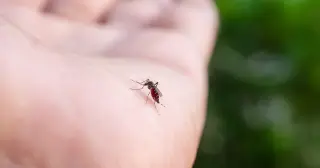
Skin oils and fatty acids, not sugar, determine who mosquitoes target
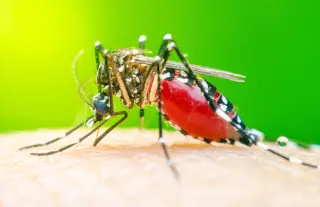
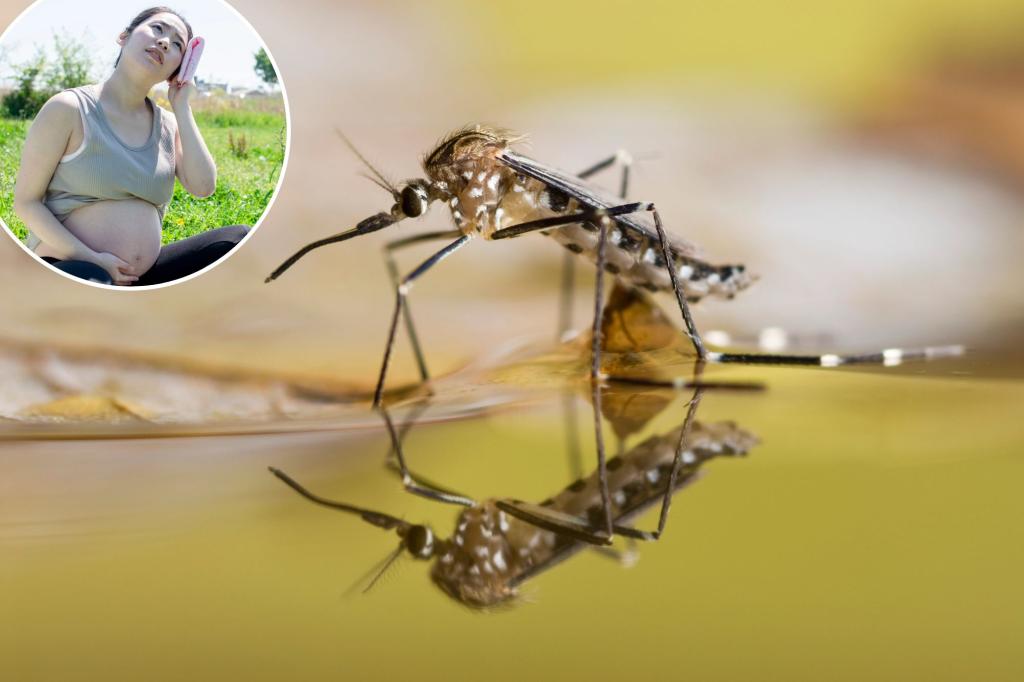
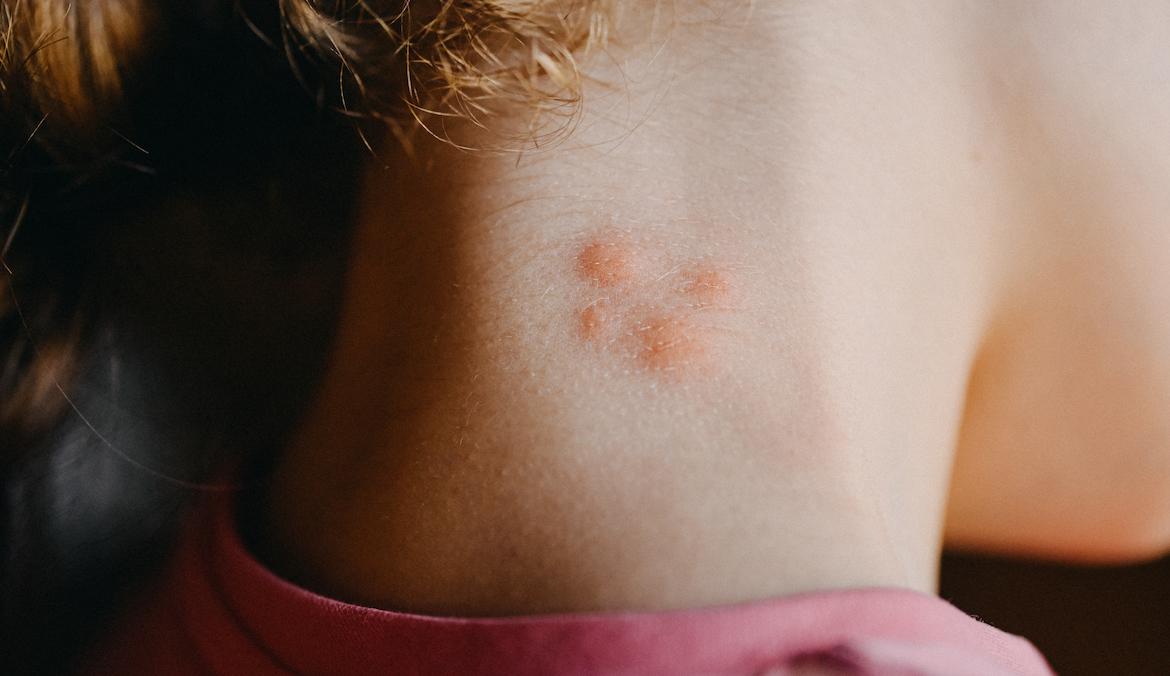
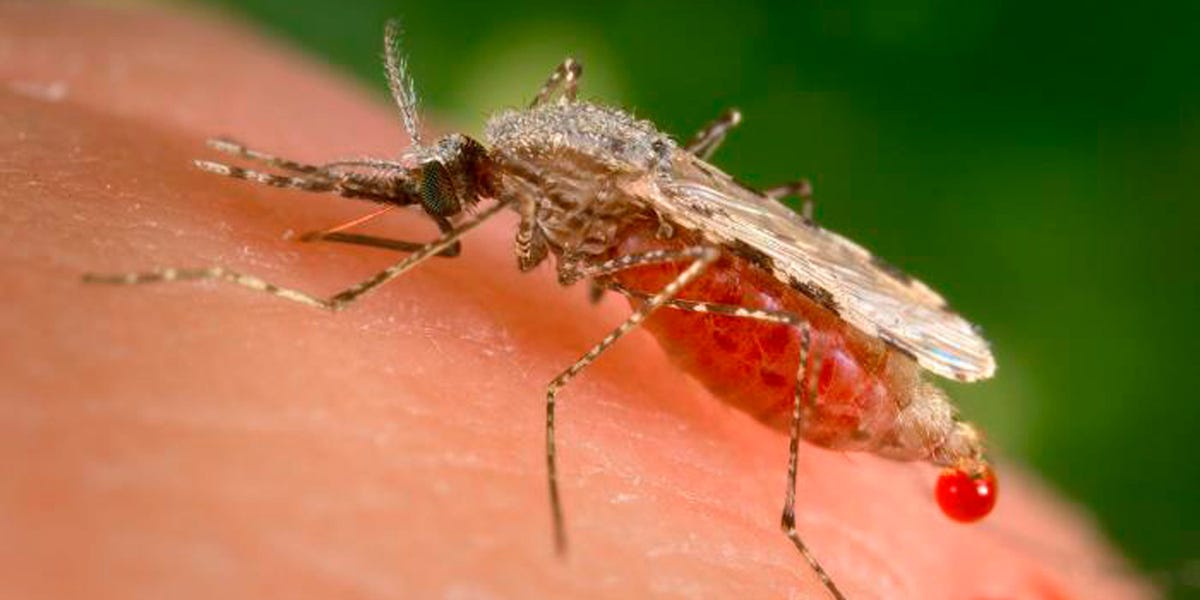
Researchers linked who mosquitoes bite most to skin chemistry rather than blood sugar. In a nylon-sleeve assay, volunteers with higher sebum-derived carboxylic acids—driven by skin bacteria—were far more attractive to Aedes aegypti, with one subject about 100 times more attractive. About 50 elevated skin compounds were identified as correlates of this “mosquito magnet” profile. The work suggests the skin’s chemical signature governs attraction and hints at microbiome-based interventions, but it’s not yet known how universal this is across mosquito species or how easily the effect could be altered.