
Study: Water Activates Microplastics, Generating Harmful Radicals
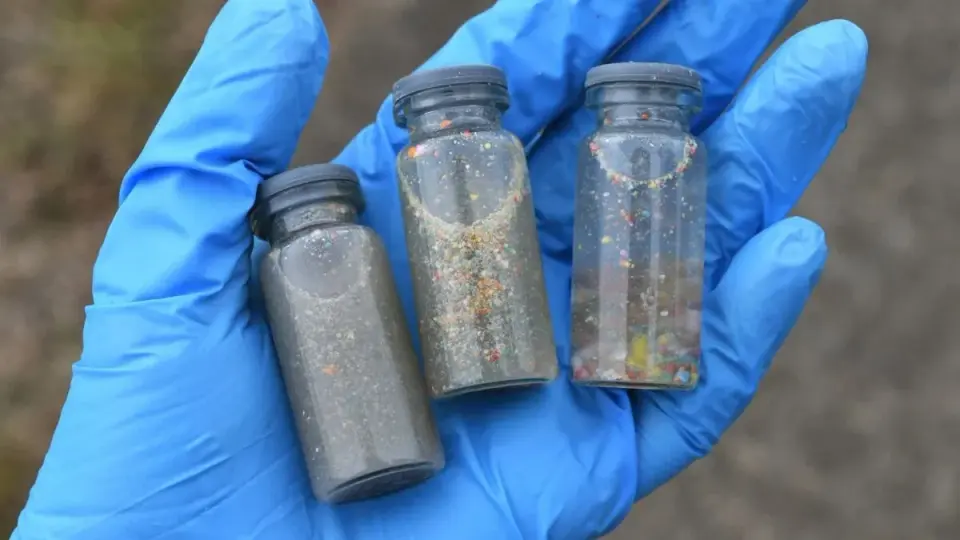
A new study in Nature challenges the assumption that plastics are chemically inert. Researchers found that when microplastics interact with water, they spontaneously generate reactive oxygen species (ROS), specifically hydroxyl radicals. This chemical activity, which increases with the plastic's hydrophobicity, may contribute to cellular damage, inflammation, and disease. While the exact contribution to human health remains uncertain, the findings suggest that the interface between water and plastic is a critical factor in toxicity.
Key points
- Columbia University researchers, including Wei Min, published a study in Nature showing microplastics generate hydroxyl radicals in water.
- The reaction is driven by interfacial hydrophobicity and electrostatics, with polyethylene and polypropylene being the most reactive.
- Lab tests showed these radicals damaged red blood cells and caused protein aggregation, suggesting biological harm.
- The study challenges the 'plastic inertness' paradigm, suggesting water acts as a catalyst for chemical activity at the microplastic surface.
- Researchers acknowledge limitations, noting that real-world exposure levels and the specific contribution to human disease are still unknown.
Background
Previous research has established that microplastics are found in human tissues, including the brain and blood, and are linked to various health issues. However, the mechanism of harm was often attributed to the leaching of additives or the physical presence of particles. This study adds a new dimension by focusing on the physicochemical interaction between the plastic surface and water, a field related to microdroplet chemistry.
How outlets are covering it
Gizmodo and Ars Technica emphasize the novelty of the finding, highlighting that plastics are not inert when fragmented. Ars Technica notes that Min’s team used multiple detection methods to rule out contamination, addressing previous criticisms of similar studies. The Chicago Tribune frames the issue in the context of Great Lakes pollution and public health, noting that while the mechanism is new, the health implications are still being quantified. Industry representatives, such as the American Chemistry Council, argue that the study does not prove these effects occur at actual human exposure levels or within complex biological systems, highlighting a gap between lab findings and real-world risk.
Why it matters
This research provides a potential molecular mechanism for microplastic toxicity, moving beyond observational correlations. If confirmed in human studies, it could lead to the development of 'safer' plastics that are less hydrophobic or less likely to generate radicals, potentially reducing health risks associated with plastic pollution.
What to watch
Researchers plan to investigate how much this specific mechanism contributes to disease in animals and humans. They also aim to explore whether plastic formulations can be altered to reduce radical generation. Further studies are needed to determine if particle size, age, and environmental conditions affect this chemical activity.
- Microplastics Are Chemically Alive and Probably Up to No Good Gizmodo
- Intrinsic physicochemical activity at microplastic–water interfaces Nature
- Microplastics trigger inflammation linked to disease and death. Now scientists appear to have discovered why. Chicago Tribune
- Microplastics in water aren’t inert and make damaging chemicals on their own Ars Technica
- How exactly do microplastics damage the body? New research offers an answer NBC News
Want the full story? Read the original reporting
Read on Gizmodo