Tag

Reactive Oxygen Species

All articles tagged with #reactive oxygen species

Tumors Release Antioxidant Protein PRDX1 to Starve T Cells of Activation Signals
science13 days ago

Tumors Release Antioxidant Protein PRDX1 to Starve T Cells of Activation Signals

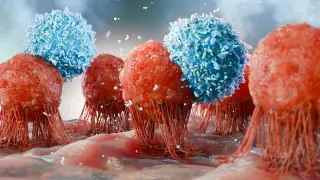
Researchers from the University of Cambridge and Oregon Health & Science University have identified a new mechanism by which tumors evade the immune system. Published in Science, the study reveals that cancer cells secrete the antioxidant protein Peroxiredoxin 1 (PRDX1) to neutralize reactive oxygen species (ROS). These ROS are essential for T cells to activate and attack tumors. By removing this chemical shield, researchers restored immune activity in mice and improved responses to immunotherapy. The findings suggest that blocking PRDX1 could help tumors that currently resist treatment, while also explaining why antioxidant supplements may fail to prevent cancer.

Microplastics Generate DNA-Damaging Radicals in Water, Challenging Inertness Assumptions
science1 month ago

Microplastics Generate DNA-Damaging Radicals in Water, Challenging Inertness Assumptions

A new study in Nature reveals that microplastics are not chemically inert when exposed to water. Researchers from Columbia University and UC Berkeley found that these particles spontaneously generate hydroxyl free radicals, which can damage DNA and proteins. This mechanism, driven by the plastic's hydrophobicity, may explain how microplastics cause oxidative stress in the human body.

Study in Nature Reveals Microplastics Generate Harmful Free Radicals in Water
science1 month ago

Study in Nature Reveals Microplastics Generate Harmful Free Radicals in Water

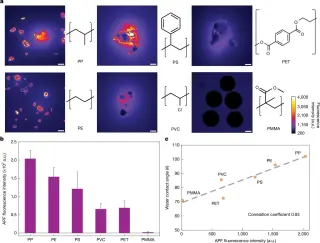
A new study published in Nature challenges the long-held belief that plastics are chemically inert. Researchers from Columbia University found that when microplastics interact with water, they spontaneously generate reactive oxygen species (ROS), or free radicals. These unstable molecules can damage cells and DNA. The study tested six common plastics, finding that more hydrophobic types like polyethylene and polypropylene produced the most ROS. When exposed to mouse red blood cells, these radicals caused cell rupture and shape changes. While the research does not prove direct human disease causation, it offers a mechanism for how microplastics may cause oxidative stress and inflammation in the body, where water is abundant. This finding adds to concerns about microplastics found in food, water, and human tissues.

Study Reveals Microplastics Generate Harmful Radicals Upon Contact With Water
science1 month ago

Study Reveals Microplastics Generate Harmful Radicals Upon Contact With Water

A new study published in Nature challenges the long-held belief that plastics are chemically inert. Researchers from Columbia University found that microplastics generate reactive oxygen species (ROS) when exposed to water. This reaction, driven by hydrophobicity and electrostatics, can damage cells and DNA. The findings suggest a direct mechanism for how microplastics may cause health issues, as the human body is largely composed of water.

Study: Water Reacts with Microplastics to Generate Cell-Damaging Radicals
science-and-health1 month ago

Study: Water Reacts with Microplastics to Generate Cell-Damaging Radicals

A new study in Nature reveals that microplastics are not chemically inert but spontaneously generate reactive oxygen species (ROS) when in contact with water. This reaction, which increases with the plastic's hydrophobicity, damages red blood cells and proteins, offering a potential mechanism for how microplastics cause oxidative stress and inflammation in the human body.

New Study: Water Reacts with Microplastics to Create Cell-Damaging Radicals
science1 month ago

New Study: Water Reacts with Microplastics to Create Cell-Damaging Radicals

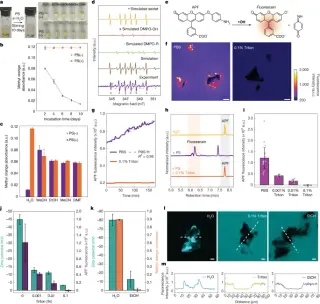
A new study in Nature reveals that microplastics are not chemically inert when in contact with water. Researchers from Columbia University and UC Berkeley found that water triggers the spontaneous formation of reactive oxygen species, specifically hydroxyl radicals, at the surface of microplastics. This chemical activity, which increases with the plastic's hydrophobicity, can damage cell membranes and proteins. The findings challenge the long-held assumption that plastic is inert and suggest a new mechanism for how microplastics may contribute to oxidative stress and cellular damage in the human body.

Study: Water Activates Microplastics, Generating Harmful Radicals
science1 month ago

Study: Water Activates Microplastics, Generating Harmful Radicals

A new study in Nature challenges the assumption that plastics are chemically inert. Researchers found that when microplastics interact with water, they spontaneously generate reactive oxygen species (ROS), specifically hydroxyl radicals. This chemical activity, which increases with the plastic's hydrophobicity, may contribute to cellular damage, inflammation, and disease. While the exact contribution to human health remains uncertain, the findings suggest that the interface between water and plastic is a critical factor in toxicity.

Microplastics Generate Reactive Oxygen Species at Water Interfaces, Challenging Plastic Inertness Paradigm
science-and-health1 month ago

Microplastics Generate Reactive Oxygen Species at Water Interfaces, Challenging Plastic Inertness Paradigm

A new study in Nature reveals that microplastics are not chemically inert but actively generate reactive oxygen species (ROS) when in contact with water. This intrinsic physicochemical activity, driven by hydrophobicity and interfacial electrostatics, may explain how microplastics cause cellular damage, protein aggregation, and inflammation in the human body.

Tumors Neutralize T Cells by Depleting Essential Reactive Oxygen Species
medical-research2 months ago

Tumors Neutralize T Cells by Depleting Essential Reactive Oxygen Species

A study published in Science reveals that cancer cells actively suppress immune responses by releasing the antioxidant enzyme peroxiredoxin-1 (PRDX1). This enzyme neutralizes reactive oxygen species (ROS) in the tumor microenvironment, which T cells require to activate and attack tumors. By stripping the environment of ROS, tumors effectively 'smother' the immune system. The research, led by Oregon Health & Science University and the University of Cambridge, identifies PRDX1 as a new target for immunotherapy, suggesting that blocking this enzyme could restore T cell activity and improve treatment outcomes for resistant cancers.

Dual-ROS Iron MOF Nanotherapy Eradicates Tumors in Mice
health-and-medicine8 months ago

Dual-ROS Iron MOF Nanotherapy Eradicates Tumors in Mice

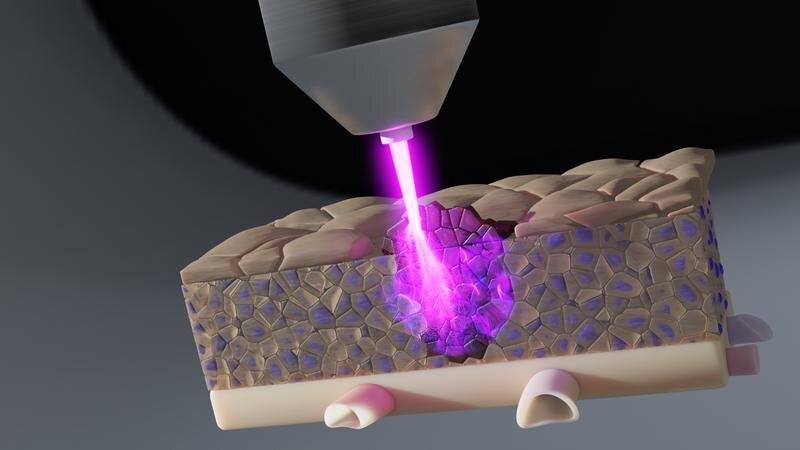
OSU researchers developed an iron-based metal-organic framework nanomaterial that, inside tumor cells, catalyzes both hydroxyl radical and singlet oxygen production, delivering a dual ROS attack that eradicated breast cancer tumors in mice with no systemic toxicity and sparing healthy tissue; this chemodynamic therapy approach is being tested on other cancers before advancing to human trials.

Unraveling the Molecular Secrets Behind Tardigrade Survival
science2 years ago

Unraveling the Molecular Secrets Behind Tardigrade Survival

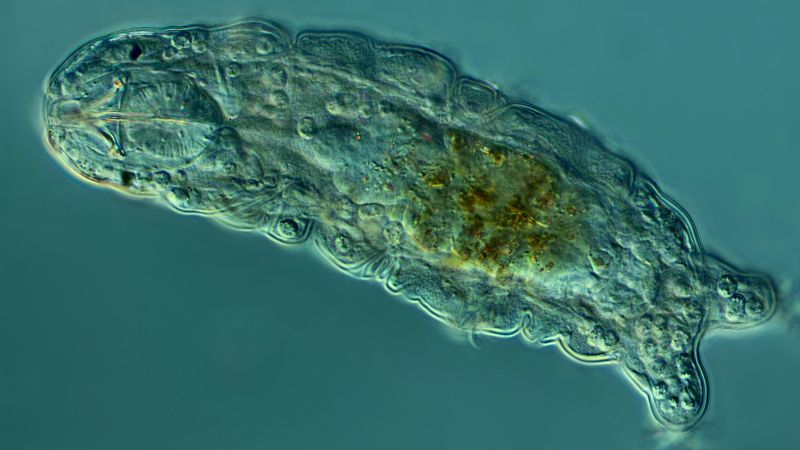
Researchers have discovered the mechanism that activates tardigrades' survival mode, known as the "tun state," when they encounter extreme conditions, which involves the oxidation of cysteines in response to reactive oxygen species. This finding could have implications for developing materials that can withstand harsh environments, as well as potential applications in cancer therapies. The research sheds light on how these microscopic creatures can survive in extreme environments, and the discovery may lead to innovations in various fields, from space exploration to medical treatments.

"Maximizing Mitochondrial Energy Production: Minimizing Collateral Damage"
science2 years ago

"Maximizing Mitochondrial Energy Production: Minimizing Collateral Damage"

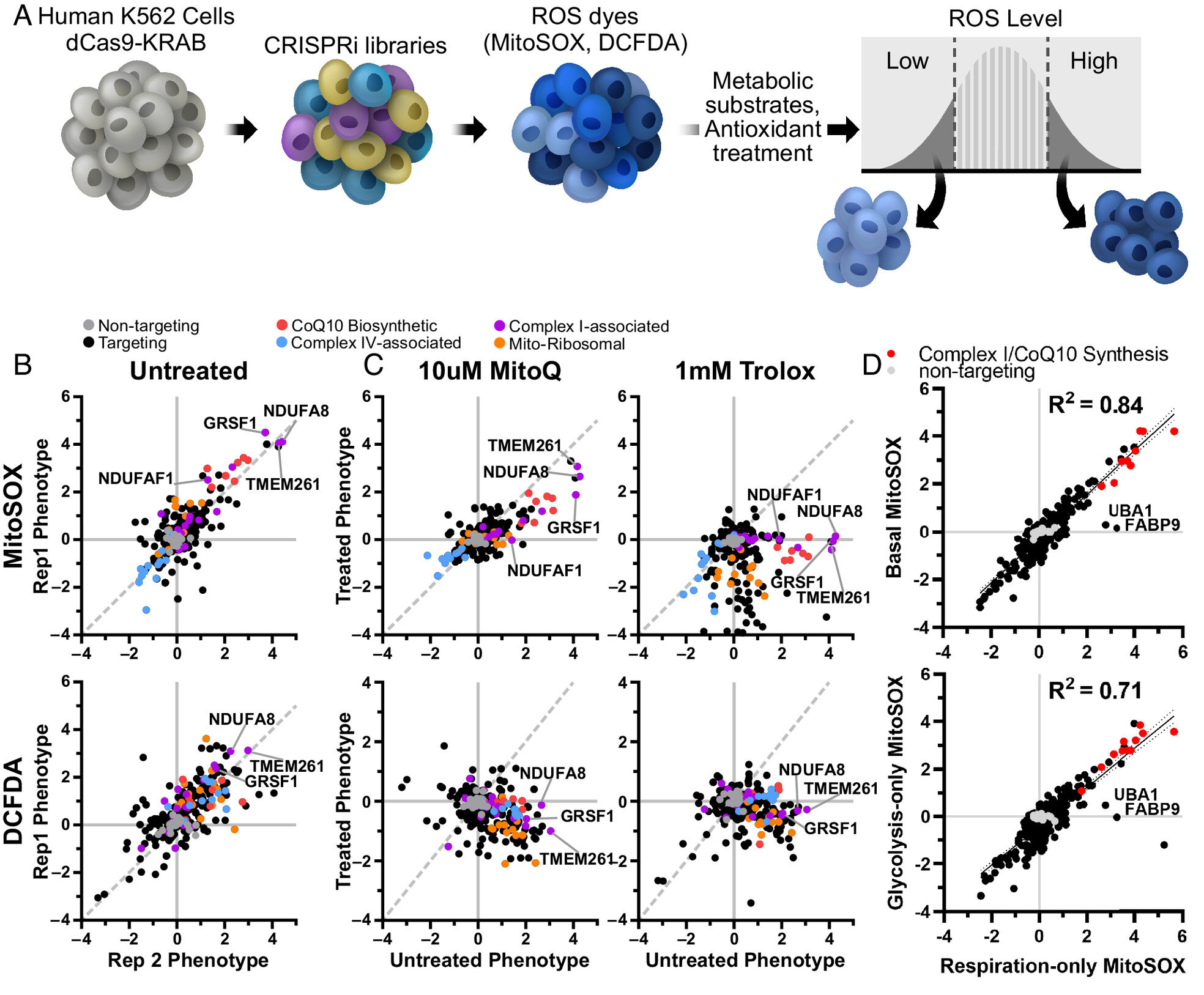
Scientists at Gladstone Institutes used CRISPR to identify molecules responsible for energy production and reactive oxygen species (ROS) in mitochondria, aiming to decouple energy from ROS production to develop therapies for neurodegenerative diseases. Their findings could lead to new treatment approaches for conditions like heart disease, diabetes, and cancer, as well as implications for healthy aging. The team plans to further research the impact of altered ROS levels on cellular health and validate their results in other cell types.