
The Ultraviolet Blind Spot: How Evolution Shaped Human Vision
TL;DR
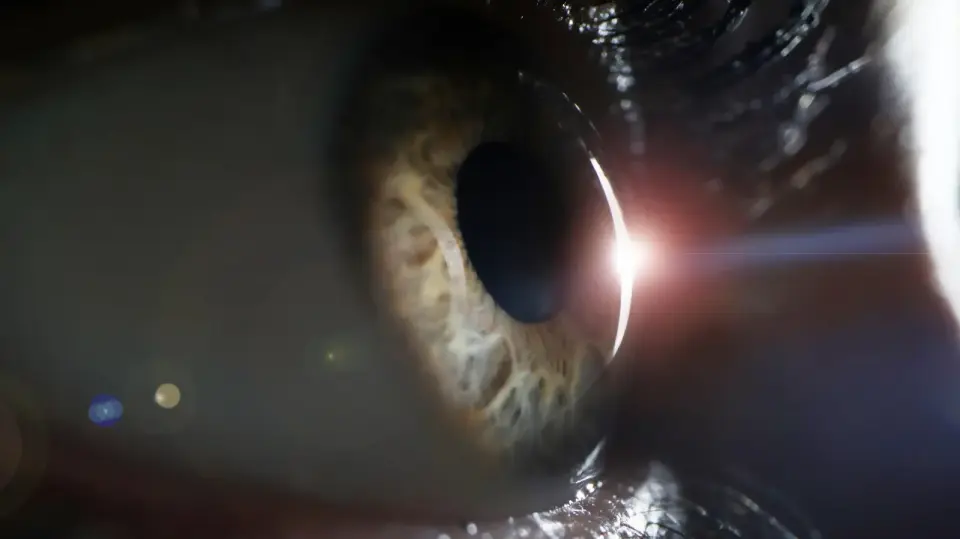
Humans can’t see ultraviolet light because the eye’s cornea and lens absorb most UV radiation before it reaches the retina. Evolution favored eye protection from UV damage, leaving our photoreceptors tuned to the visible spectrum. By contrast, many other animals have UV-sensitive visual systems, which helps them detect flowers, prey, or mates that reflect UV patterns. The article explains how this filtering works, why UV perception is advantageous for some species but not humans, and what this tells us about how vision has evolved in different lineages.
Want the full story? Read the original reporting
Read on Forbes