
Wake County Mosquitoes Build Resistance to Home Sprays, Researchers Say
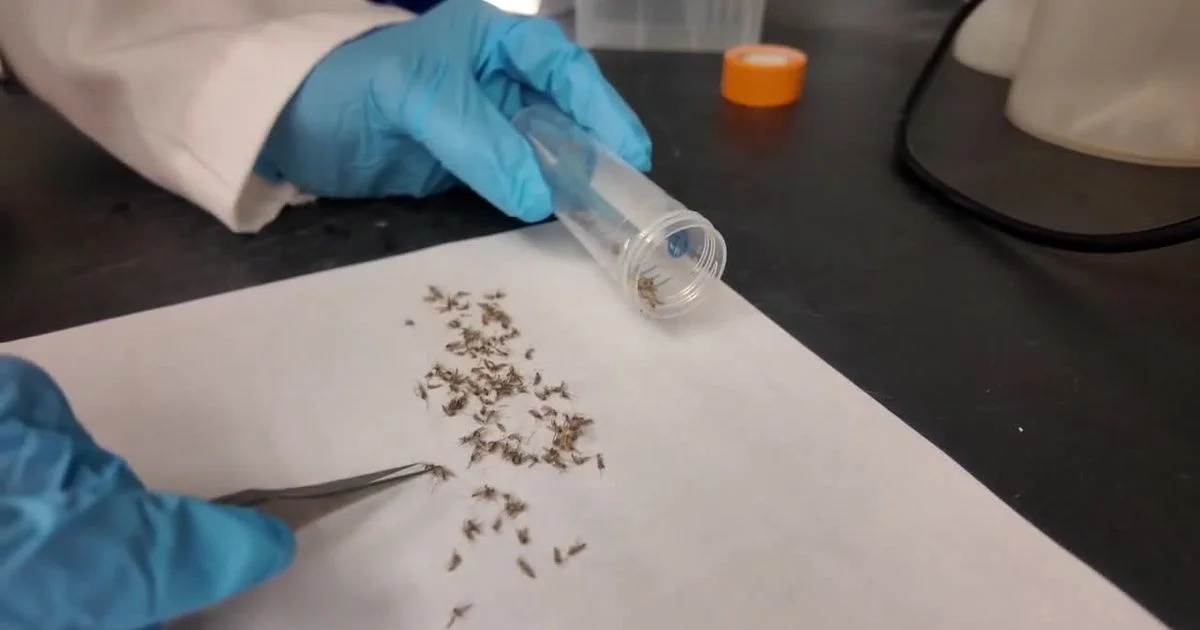
Researchers in North Carolina report a rapid rise in a genetic mutation linked to pyrethroid resistance in Wake County mosquitoes, with resistance found in 84% of residential blocks by 2023 and still rising in 2025. The finding signals that common backyard sprays may become less effective, prompting pest-control firms to rotate products, use larvicides and growth regulators, and emphasize integrated pest management to curb breeding sites. While resistance is not yet total failure, experts warn it could complicate disease-control efforts if reliance on pyrethroids continues and advocate a multi-pronged approach that targets multiple life stages of mosquitoes.
- Mosquitoes are evolving to survive common backyard sprays WRAL
- How pesticides are breeding resistant mosquitoes in wealthy Wake neighborhoods Raleigh News & Observer
- Backyard Mosquito Sprays May Be Helping These Blood-Sucking Parasites Evolve, Making Them Resistant to Insecticide The Debrief
- Detox Enzymes Help Mosquitoes Resist Insecticides the-scientist.com
- Wealthy US neighbourhoods paid to spray mosquitoes: By 2023, the insects had evolved resistance across 84% of sampled blocks and know what they became capable of The Times of India
Reading Insights
0
29
10 min
vs 11 min read
95%
2,093 → 97 words
Want the full story? Read the original article
Read on WRAL