Tag

Pyrethroids

All articles tagged with #pyrethroids

Wake County Mosquitoes Evolve Rapid Resistance to Common Sprays, Threatening Public Health Tools
science-and-environment3 months ago

Wake County Mosquitoes Evolve Rapid Resistance to Common Sprays, Threatening Public Health Tools

Asian tiger mosquitoes in Wake County, North Carolina, have rapidly developed resistance to pyrethroids, the insecticides commonly used in backyard sprays. Two studies from North Carolina State University found that a specific genetic mutation went from undetectable in 2016 to present in 84% of sampled residential blocks by 2023. This resistance is most prevalent in wealthier neighborhoods with higher property values, where private pest-control services are more frequent. Researchers warn that this trend threatens the effectiveness of pyrethroids, which are critical for controlling disease outbreaks, and advocates for integrated pest management strategies that reduce reliance on chemical sprays.

Backyard Sprays May Be Breeding Insecticide-Resistant Mosquitoes in North Carolina
science4 months ago

Backyard Sprays May Be Breeding Insecticide-Resistant Mosquitoes in North Carolina

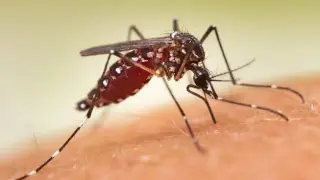
A nine-year study in Wake County, NC found a mutation in Asian tiger mosquitoes (Aedes albopictus) that lets them survive common pyrethroid insecticides; the mutation appeared in 2018 and, by 2023, was spread across the area, with more than a third of relevant gene copies carrying the resistant variant, likely aided by uneven backyard spraying. The findings suggest backyard and private-sector spraying can drive resistance, potentially undermining disease-control tools and calling for coordinated monitoring and management that includes private yards.

Wealthier neighborhoods may be fueling mosquito resistance to common sprays, study finds
science4 months ago

Wealthier neighborhoods may be fueling mosquito resistance to common sprays, study finds

Two NC State studies show backyard spraying by wealthier homeowners in the eastern U.S. is applying selective pressure that has driven rapid evolution of pyrethroid resistance in the invasive Asian tiger mosquito (Aedes albopictus); by 2023, resistance markers appeared in 84% of sampled residential blocks in Wake County, NC, and 39% of mosquitoes carried the resistance mutation. Researchers warn that relying on chemical sprays alone is risky and advocate integrated pest management and community-wide efforts to curb breeding sites, plus practical steps for homeowners to reduce standing water and mosquito habitats.

WHO recommends new insecticide-treated nets to prevent zoonotic malaria.
health3 years ago

WHO recommends new insecticide-treated nets to prevent zoonotic malaria.

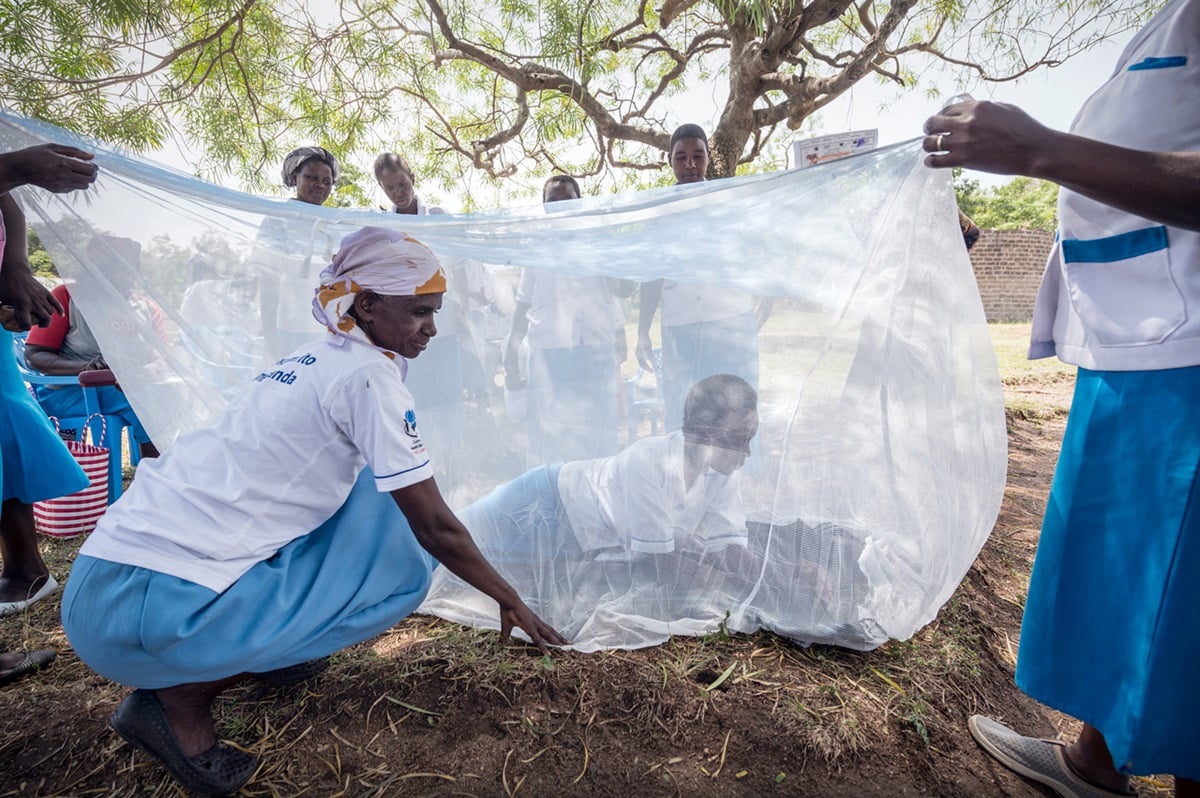
The World Health Organization (WHO) has published new recommendations for two types of insecticide-treated nets (ITNs) to combat malaria. The new ITNs combine pyrethroids with either piperonyl-butoxide (PBO) or an insect growth regulator (IGR) to enhance their effectiveness against pyrethroid-resistant mosquitoes. The WHO recommends the deployment of pyrethroid-chlorfenapyr ITNs over pyrethroid-only nets to prevent malaria in areas with pyrethroid resistance. However, the cost-effectiveness of pyrethroid-pyriproxyfen nets compared to pyrethroid-only nets is a concern. ITNs have contributed significantly to reducing malaria cases worldwide, but threats to their effectiveness include pyrethroid resistance, insufficient coverage, and changing mosquito behavior.