
Low Sodium Levels May Signal Hidden Infections After Kidney Transplants
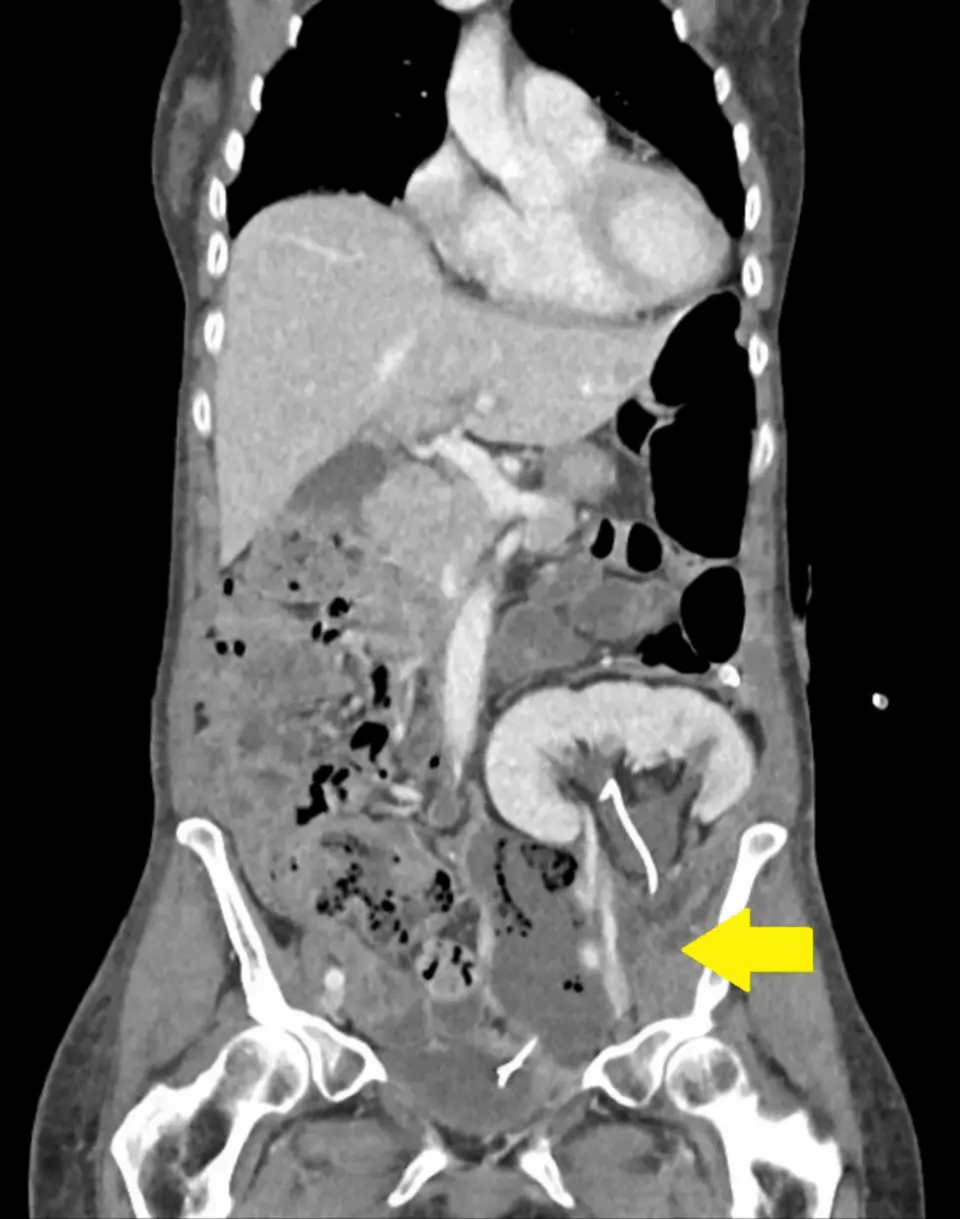
A case report published in Cureus highlights severe hyponatremia as a potential early indicator of hidden infections following living donor kidney transplantation. The study details a 68-year-old woman who developed critically low sodium levels days after surgery, which eventually revealed a large abscess caused by E. coli.
Key points
- A 68-year-old patient experienced severe hyponatremia, with serum sodium dropping to 109 mmol/L, on postoperative day 8 after a living unrelated kidney transplant.
- The patient initially showed no signs of infection, such as fever or abdominal pain, but developed acute kidney injury and profound fatigue.
- By postoperative day 13, the patient developed a fever, and imaging revealed a 16-cm peritransplant abscess.
- Drainage of the abscess confirmed an Escherichia coli infection, which was treated alongside hypertonic saline and fluid restriction.
- The authors suggest that unexplained severe hyponatremia should prompt clinicians to investigate for occult surgical or infectious complications in post-transplant patients.
Background
This case adds to ongoing discussions about post-transplant complications and the importance of monitoring electrolyte imbalances. Recent archive coverage has focused on innovations in kidney transplantation, including the use of genetically engineered pig kidneys to address organ shortages and successful living donor matches facilitated by public appeals. While those stories highlight new sources and success rates, this report emphasizes the diagnostic challenges of detecting infections in the early postoperative period.
Why it matters
Recognizing subtle symptoms like hyponatremia can lead to earlier detection of serious complications, potentially improving patient outcomes and reducing the risk of graft failure or sepsis after transplantation.
What to watch
Clinicians may consider monitoring sodium levels more closely in post-transplant patients, especially when other signs of infection are absent, to identify hidden abscesses or other complications early.
Want the full story? Read the original reporting
Read on Cureus