
Congo's Bundibugyo Ebola Outbreak Surpasses 1,500 Deaths, Becoming Fastest-Growing on Record
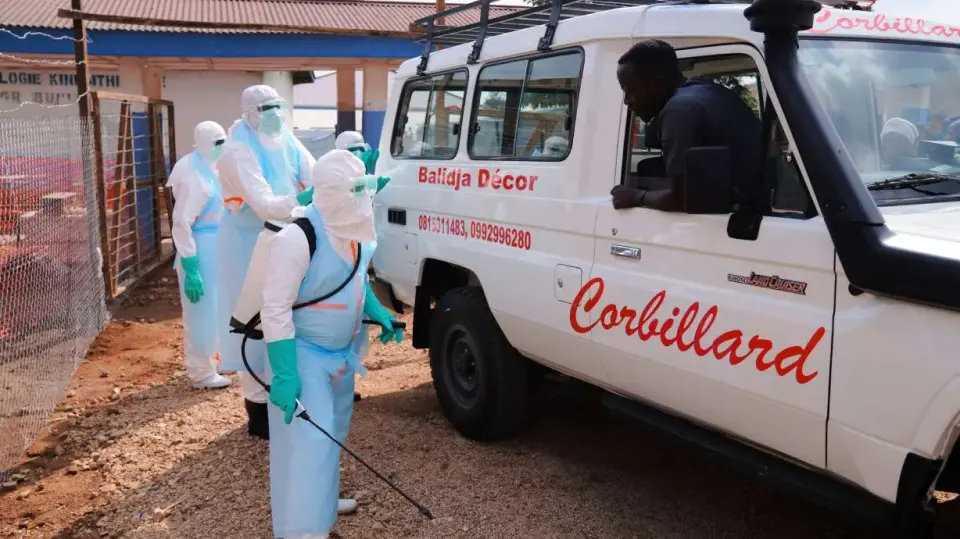
The Democratic Republic of Congo's current Ebola outbreak has surpassed 1,500 deaths, making it the fastest-growing in the country's history. Caused by the Bundibugyo strain, which lacks approved vaccines or treatments, the epidemic is concentrated in Ituri province. Response efforts are severely hampered by insecurity, community mistrust, and attacks on health facilities, though the World Health Organization maintains that the global risk of spread remains low.
Key points
- As of late July 2026, the outbreak has recorded over 3,400 confirmed cases and 1,500 deaths, with a case fatality rate of approximately 44%.
- The Bundibugyo strain has no approved vaccine or treatment, though clinical trials began in July and vaccines are being developed in the UK and Singapore.
- Nearly 90% of cases are concentrated in Ituri province, but the virus has spread to five provinces, including Kisangani.
- Response efforts are hindered by insecurity, armed group violence, community mistrust, and unsafe traditional burial practices.
- The World Health Organization states the global risk of spread is low, but the risk within Congo remains 'very high'.
Background
This outbreak, declared on May 15, 2026, is the 17th Ebola outbreak in the DRC. It has surpassed the 2018-2020 outbreak in case numbers and is the second-largest on record after the 2014-2016 West Africa epidemic. Previous coverage noted a 50% increase in cases and deaths within a week, partly due to reporting backlogs. Uganda declared itself Ebola-free in mid-June after discharging its last patient.
How outlets are covering it
KSL.com and The Guardian emphasize the outbreak's unprecedented speed and the challenges posed by insecurity and community mistrust. BBC highlights the WHO's assessment that this is the worst outbreak in DRC history and notes the development of vaccines in the UK and Singapore. Al Jazeera focuses on the global scale, calling it the second-largest outbreak ever, and highlights the lack of foreign aid and the need for international attention. All sources agree on the lack of approved treatments for the Bundibugyo strain and the severe impact of violence on health facilities.
Why it matters
The rapid spread of a novel Ebola strain with no approved treatments poses a significant public health threat. The combination of insecurity, community mistrust, and inadequate response infrastructure in the DRC could lead to further spread and a higher death toll. The outbreak also highlights the challenges of containing diseases in conflict-affected regions and the importance of international cooperation and vaccine development.
What to watch
Health authorities are urging international partners to return to affected areas after temporary relocations due to attacks. Clinical trials for a Bundibugyo vaccine are ongoing, with results expected in up to four months. The WHO and Africa CDC are working to improve surveillance and contact tracing, but the outbreak's trajectory remains uncertain. The DRC government is calling for increased international support and attention to the crisis.
- Congo says the death toll in fastest-growing Ebola outbreak has passed 1,500 KSL.com
- Ebola Bundibugyo strain outbreak worst ever in DR Congo, WHO says BBC
- DR Congo Ebola epidemic becomes world’s second largest outbreak Al Jazeera
- Ebola outbreak in DRC the fastest growing in the history of the virus The Guardian
- Ebola disease caused by Bundibugyo virus - Democratic Republic of the Congo World Health Organization (WHO)
Want the full story? Read the original reporting
Read on KSL.com