
Cattle Industry Rejects Trump's Self-Processing Plan as Food Safety Concerns Mount
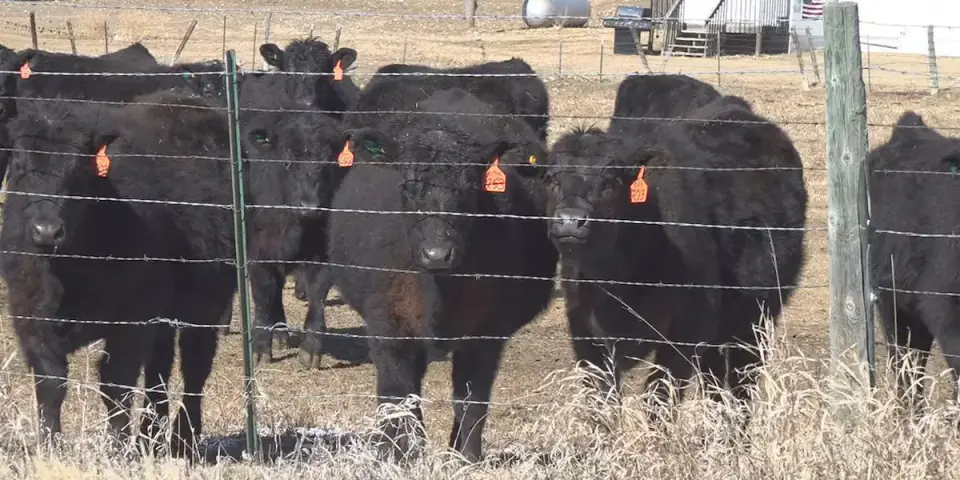
President Donald Trump announced plans to allow ranchers to process their own meat, bypassing USDA-inspected facilities. The South Dakota Cattlemen’s Association opposes the move, arguing that federal inspection standards are essential for public health and consumer confidence, not bureaucratic obstacles. While the administration cites consolidation by major packers as a problem, critics warn that weakening safety regulations could undermine the beef market. The proposal follows recent tariff waivers on imported beef and remains legally uncertain, as significant regulatory changes likely require congressional action rather than executive orders.
Key points
- Trump posted on Truth Social on August 28, 2026, stating he is authorizing legal documents to allow farmers and ranchers to process their own food quickly.
- The South Dakota Cattlemen’s Association stated that federal meat inspection protects public health and that 'food safety is not red tape.'
- The association argued that the proposal undermines consumer confidence and distracts from the industry's rejection of increased beef imports.
- Agriculture Secretary Brooke Rollins indicated upcoming announcements regarding small processor funding and anti-competitive investigations.
- The PRIME Act, which would allow direct-to-consumer sales without USDA inspection, has bipartisan support but has failed to pass due to industry lobbying.
Background
This development follows a series of recent actions by the Trump administration aimed at addressing high meat prices and rancher frustrations. In late August 2026, the administration temporarily waived tariffs on imported beef, a move criticized by cattle groups for potentially depressing prices and hindering herd rebuilding. Prior to the self-processing announcement, the administration had already allocated $60 million to support small meat processors and initiated an investigation into anti-competitive practices by the 'Big Four' meatpackers. The current proposal appears to be an escalation of these efforts, though it faces significant legal and regulatory hurdles, as previous attempts to change meat processing laws have stalled in Congress.
How outlets are covering it
Outlets highlight different aspects of the controversy. Action News 5 focuses on the backlash from the South Dakota Cattlemen’s Association, emphasizing their argument that federal inspection standards are critical for consumer trust and public health. The Washington Post notes that the policy idea originated during a conversation between Trump and conservative radio host Glenn Beck, who described the meat processing industry as a 'cartel.' Politico emphasizes the legal constraints, pointing out that sweeping changes to meat processing regulations likely require congressional action or a longer-term regulatory process, rather than just executive orders. While all sources agree on the announcement's content, they differ in emphasis: Action News 5 highlights industry opposition, The Washington Post highlights the informal origin of the idea, and Politico highlights the legislative barriers to implementation.
Why it matters
The proposal could significantly impact the U.S. beef supply chain and food safety standards. If implemented, it could reduce reliance on large meat processors, potentially lowering prices for consumers and increasing revenue for ranchers. However, it also raises concerns about public health and consumer confidence, as federal inspection standards have been in place for over a century to prevent unsafe processing conditions. The outcome of this debate could influence future agricultural policy and the balance between regulatory oversight and industry freedom.
What to watch
The administration is expected to announce further details regarding small processor support and anti-competitive investigations in the coming weeks. Congress may need to pass the PRIME Act or similar legislation to allow direct-to-consumer sales without USDA inspection. The South Dakota Cattlemen’s Association is urging producers to contact their congressional delegation to oppose the additional import allocation and protect meat inspection standards. The White House and USDA have not yet provided a timeline for the implementation of the self-processing plan.
- ‘Food safety is NOT red tape’: Cattle group pushes back on Trump’s processing proposal Action News 5
- Trump goes after the companies ranchers blame for the beef price squeeze Fox Business
- Farmer ‘alarmed’ with Trump’s plan to roll back meat processing regulations NewsNation
- Trump suggests cattle ranchers could bypass USDA-inspected meat plants The Washington Post
- Trump looks to ease beef processing regulations Politico
Want the full story? Read the original reporting
Read on Action News 5