
Kyiv Reports Five Ballistic Strikes Amid Dispute Over Missing Ally Warnings
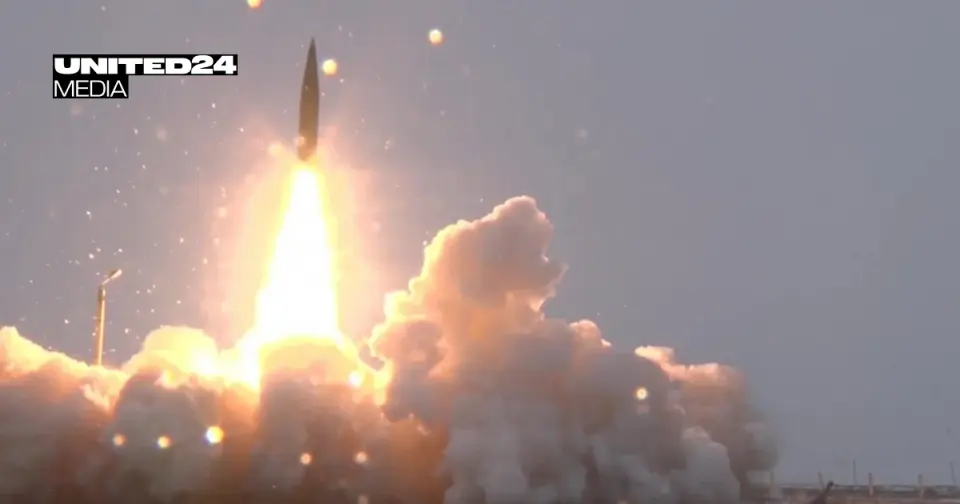
Ukraine reports that Russia launched five ballistic missiles at Kyiv, an attack for which Kyiv claims it received no advance warning from international partners. This incident follows a recent pause in Ukrainian strikes on Russian oil refineries, a move Kyiv attributed to US pressure. While Ukrainian officials acknowledge ongoing intelligence cooperation, they criticize the lack of timely alerts, raising questions about the reliability of allied support systems during critical strikes.
Key points
- Russia launched five ballistic missiles at Kyiv, targeting civilian infrastructure.
- Ukrainian authorities state they received no early warning from allied partners regarding the incoming strike.
- The attack occurred shortly after a two-day pause in Ukrainian strikes on Russian oil refineries, which Kyiv linked to US diplomatic pressure.
- Ukraine acknowledges that intelligence sharing continues but cites technical delays in alerting the public and military.
- The strike highlights ongoing tensions between Kyiv and Washington over the timeliness and transparency of intelligence support.
Background
This incident follows a shift in Russian tactics in Kyiv from predictable aircraft attacks to rapid ballistic strikes, which previously left residents with as little as four minutes' warning. Recent months have seen intensified strikes on energy and bridge infrastructure, prompting Ukraine to debut new tactical missiles. The current dispute over missed warnings adds to a broader narrative of frustration regarding the reliability of allied intelligence during critical moments, especially after recent diplomatic pauses in Ukrainian offensive operations.
Why it matters
The failure to provide timely warnings for ballistic missile strikes undermines civilian safety and trust in allied support mechanisms. It highlights the vulnerability of critical infrastructure to rapid, high-velocity attacks and raises questions about the effectiveness of current intelligence-sharing protocols. This incident may influence future diplomatic negotiations and the pace of military aid, as Kyiv seeks to ensure that strategic pauses in its own operations do not leave it exposed to sudden, unannounced Russian strikes.
What to watch
Ukraine is likely to demand clearer protocols and more reliable early-warning systems from its allies. Kyiv may resume or adjust its strikes on Russian oil infrastructure in response to the perceived lack of support. International partners may face pressure to clarify their intelligence-sharing commitments and address technical or procedural gaps that contributed to the missed warning. The situation could also lead to increased public scrutiny of the coordination between Western intelligence agencies and Ukrainian command structures.
Want the full story? Read the original reporting
Read on UNITED24 Media