Ukrainian officials report that US intelligence gaps and Starlink restrictions have led to civilian deaths during recent Russian missile strikes, despite US denials of intentional withholding.
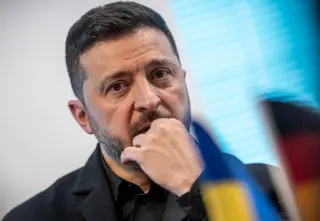
Secretary of State Marco Rubio firmly rejected claims by Ukrainian President Volodymyr Zelensky that the United States paused intelligence sharing with Kyiv. Speaking in Samarkand, Uzbekistan, Rubio stated there has been no such pause and urged Zelensky to focus on ending the war rather than making public accusations. This dispute arises amid deteriorating relations between the two leaders, with Trump previously criticizing Ukraine for strikes on Russian energy infrastructure that he linked to high diesel prices in the U.S. While Rubio dismissed the pause allegation, he acknowledged a 'software problem' occurred recently that U.S. European Command is investigating, which may have affected early warnings for Russian ballistic missile attacks.
President Volodymyr Zelensky confirmed on Sunday that the United States has resumed sharing military intelligence with Ukraine after a temporary suspension. The data flows had been restricted following disputes over Ukrainian strikes on Russian oil refineries and a US-proposed 'energy ceasefire.' Zelensky expressed hope that bilateral talks would occur this week to address security coordination and early-warning gaps.
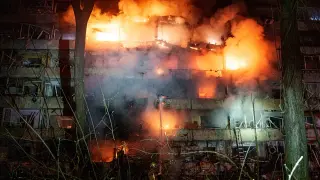
Russian ballistic missiles struck Kyiv’s CHP-4 power plant and a residential building on October 13, killing at least two people and injuring 21. President Zelenskyy accused Western partners of failing to provide early warning, despite claims by US President Trump that intelligence sharing continues. The attack occurred shortly after Trump announced an 'energy ceasefire,' which Ukraine says Russia is ignoring.
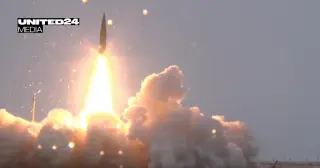
Ukraine reports that Russia launched five ballistic missiles at Kyiv, an attack for which Kyiv claims it received no advance warning from international partners. This incident follows a recent pause in Ukrainian strikes on Russian oil refineries, a move Kyiv attributed to US pressure. While Ukrainian officials acknowledge ongoing intelligence cooperation, they criticize the lack of timely alerts, raising questions about the reliability of allied support systems during critical strikes.
U.S. intelligence sharing with Ukraine has rebounded to previous highs, significantly enhancing Kyiv’s long-range drone strikes against Russian energy and logistics infrastructure. This resurgence has bolstered Ukraine’s battlefield position and leverage in stalled peace negotiations, despite Washington’s focus on the Iran conflict. However, the strategic advantage is offset by a critical shortage of Patriot interceptors, leaving Ukraine vulnerable to escalating Russian ballistic missile attacks that are crippling its energy grid and export routes.
European officials publicly and privately contend that Russia is directly and materially aiding Iran’s war effort with intelligence support and drone technology—more than the U.S. has acknowledged—citing expanded Russia-Iran cooperation; Zelenskyy alleges Russian satellites have scanned U.S. bases for Tehran, while U.S. intelligence describes only selective collaboration among Russia, Iran, China and North Korea; the Ukraine war and Iranian drone capabilities are increasingly intertwined.
U.S. Special Envoy Steve Witkoff says Russian officials told Trump they have not shared intelligence with Iran during the war, a denial echoed by Putin adviser Ushakov; a separate MS Now report alleging Russia provides intelligence to Iran has circulated, but Witkoff said there’s no evidence supporting that claim.
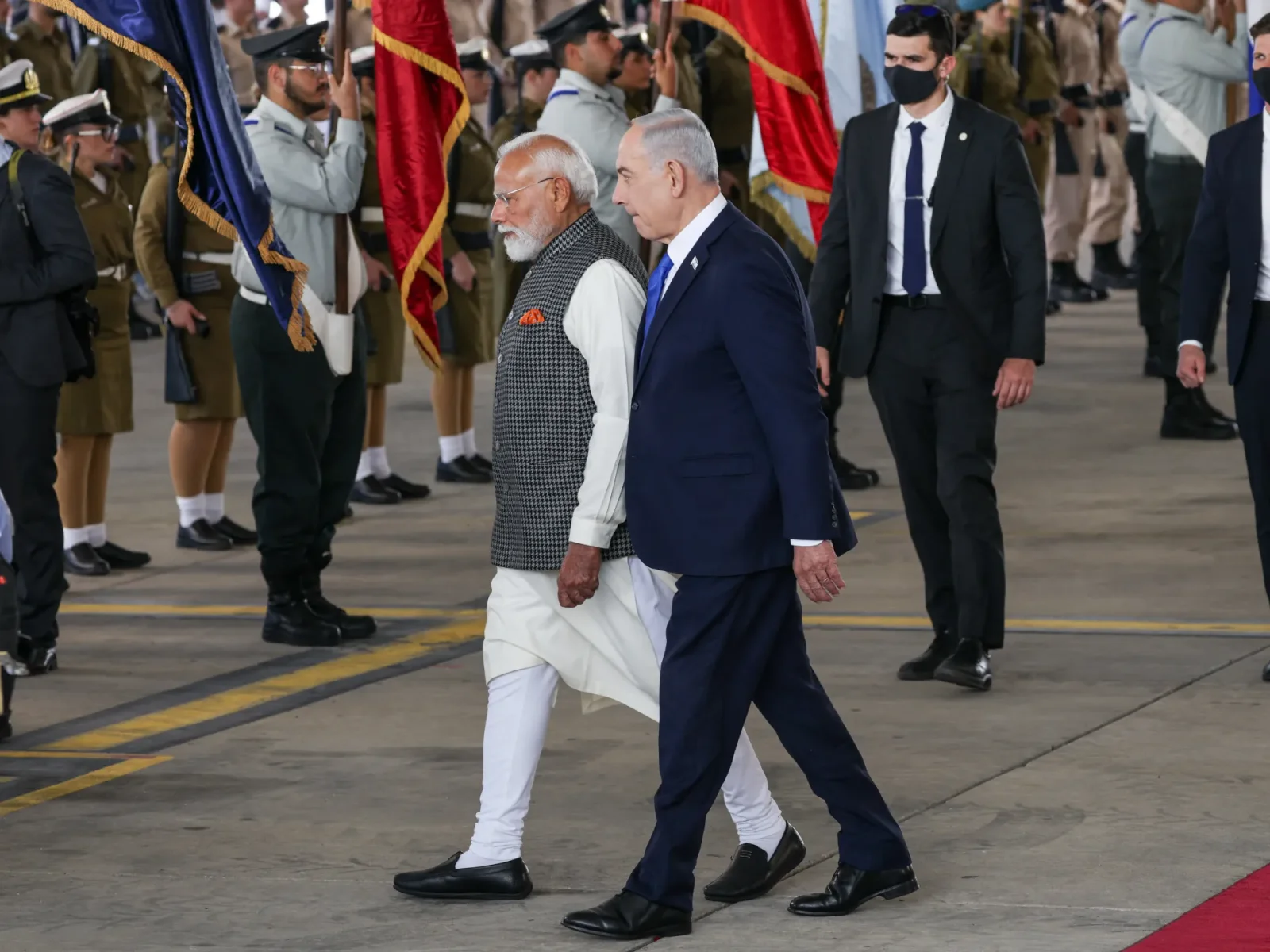
Prime Minister Narendra Modi’s Tel Aviv trip underscores a deepening India-Israel partnership across defence, AI, quantum computing and cybersecurity, with talks of new export frameworks and potential tech transfers like Iron Beam/Iron Dome. Analysts say the move could reshape regional security dynamics by strengthening a Western-aligned axis centered on Israel, complicating Pakistan’s position as it balances Gulf ties (Saudi Arabia, UAE, Turkey) and Iran while navigating US interests. The development may prompt Islamabad to reassess its diplomacy and defence posture in response to India-Israel convergence and the broader shift in regional alignments.
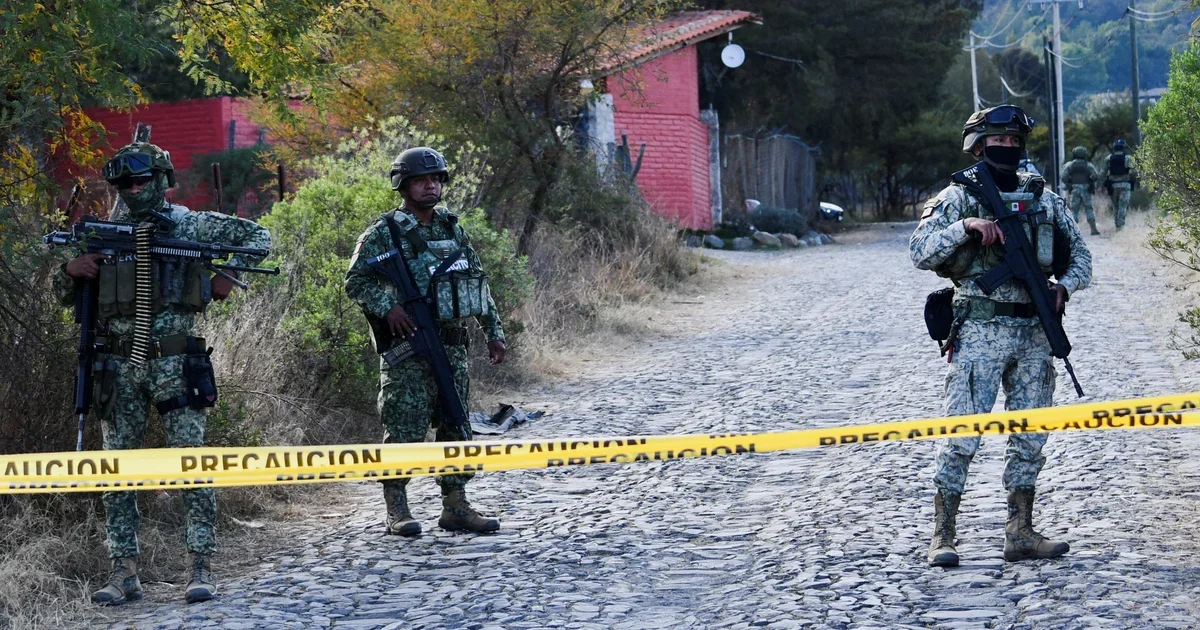
Mexican forces, aided by U.S. intelligence, tracked Nemesio Oseguera Cervantes—El Mencho—after a romantic partner’s tip led them to his Tapalpa hideout; he and two bodyguards were wounded, captured, and died en route to Mexico City, as the CJNG faces upheaval and possible retaliation.
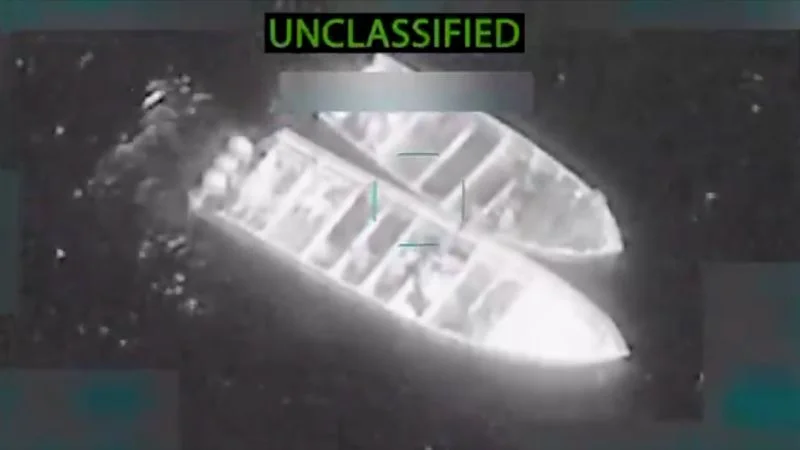
The UK has suspended intelligence sharing with the US regarding suspected drug trafficking vessels in the Caribbean due to concerns over the legality of US military strikes, which the UK and other allies consider illegal and extrajudicial, marking a significant diplomatic break.
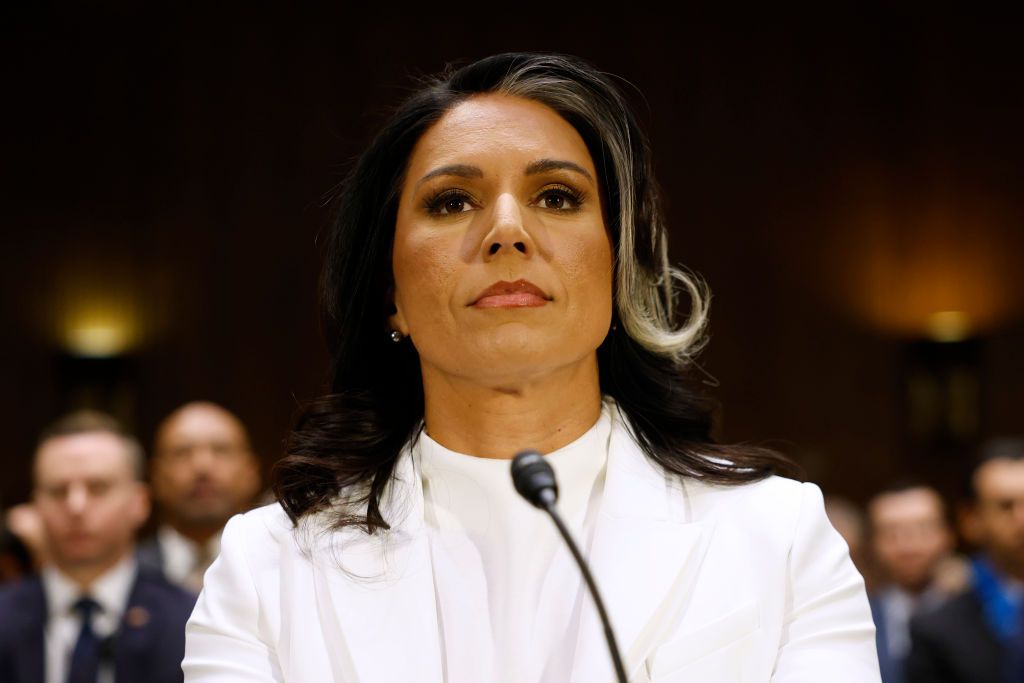
The Trump administration's Director of National Intelligence, Tulsi Gabbard, ordered a halt to intelligence sharing on Russia-Ukraine peace talks with the Five Eyes alliance, limiting information to publicly available data and internal agency sharing, without explanation. This decision occurs amid ongoing U.S.-brokered peace efforts and heightened tensions among allies, with Gabbard previously involved in Ukraine-related controversies.
The White House plans to restrict intelligence sharing with Congress following a leak of an early Iran nuclear report, leading to bipartisan criticism and concerns over transparency, as officials prepare for classified briefings on the strikes.
Congress is embroiled in a dispute with the White House over restrictions on sharing classified intelligence, following leaks and allegations of leaks related to Iran, with Democrats criticizing the move as an attempt to block oversight and Republicans warning of the dangers of leaks.