
Record-Breaking El Niño Prompts California Emergency Declarations Amid U.S. Preparedness Gaps
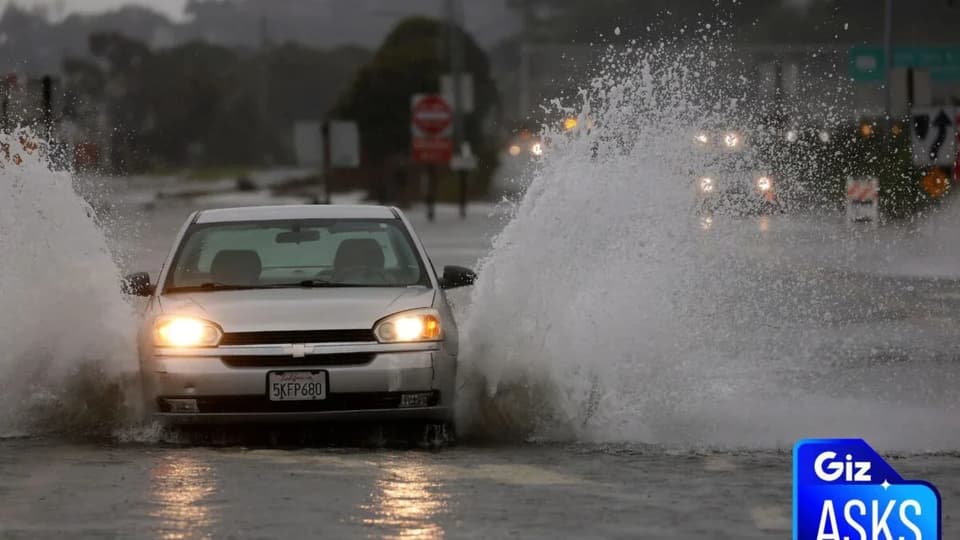
A record-breaking El Niño has officially formed, with sea surface temperatures in the central equatorial Pacific surpassing all previous records. Experts warn the U.S. is poorly prepared for the compounding impacts, which may include 450,000 heat-related deaths and global temperatures resembling 2040 levels by 2027. While California has declared a state of emergency to mobilize resources, preparedness remains uneven across the nation, with significant gaps in federal funding and local infrastructure.
Key points
- Sea surface temperatures in the central equatorial Pacific have exceeded all previous records, officially making this the strongest El Niño on record, with peak temperatures expected in December at roughly 7 degrees Fahrenheit above average.
- Governor Gavin Newsom declared a state of emergency in California on September 21, 2026, to mobilize resources, stage flood-fighting supplies, and fast-track permitting for flood protection ahead of potential winter storms and coastal flooding.
- Long Beach declared a local emergency on September 23, 2026, following damage from Hurricane Marie, citing the need for expedited procurement and additional personnel to handle potential El Niño impacts that may exceed normal operational capabilities.
- Experts warn that U.S. disaster funding systems are designed for post-loss reimbursement rather than pre-emptive preparedness, creating a critical gap in readiness for the months-long, non-specific threats posed by El Niño.
- A recent report estimates this El Niño could lead to 450,000 heat-related deaths in the next six months, while climate scientists warn global temperatures in 2027 could temporarily fast-forward human-driven warming trends by more than a decade.
Background
This event follows a rapid strengthening of El Niño conditions throughout 2026, with earlier forecasts from NOAA predicting a warmer fall and wetter winter for parts of the U.S. Previous coverage highlighted potential economic risks and global weather shifts, including drought in parts of Indonesia and southern Africa, while recent disturbances like Hurricane Marie have already caused coastal damage in California, serving as an early indicator of the season's intensity.
How outlets are covering it
Gizmodo highlights a broad consensus among experts that the U.S. is underprepared, citing Jeffery Schlegelmilch’s view that the system is built for acute response rather than months-long preparedness, and Bethany Tietjen’s note on uneven local efforts and social vulnerability gaps. John Nielsen-Gammon offers a contrasting perspective for the southern U.S., suggesting the El Niño may be beneficial by alleviating drought and suppressing hurricane activity, though he acknowledges risks of excessive rainfall. California State Portal emphasizes proactive state-level mobilization, while ABC7 focuses on local municipal responses in Long Beach, illustrating the disparity between state-wide emergency declarations and localized recovery efforts from recent storm damage.
Why it matters
The unprecedented strength of this El Niño poses immediate risks to infrastructure, public health, and economic stability, particularly in California where coastal flooding and landslides are expected. The disparity in preparedness across the U.S. highlights systemic vulnerabilities in disaster funding and federal support, potentially exacerbating the impacts of compounding disasters and setting a precedent for how future climate-driven events are managed.
What to watch
Sea surface temperatures are expected to peak in December, with potential impacts including increased precipitation, coastal flooding, and heatwaves through the winter. California is staging resources and fast-tracking flood protection measures, while Long Beach is repairing boardwalk damage and implementing a $9 million sand replenishment plan. Federal agencies are under pressure to restore funding for resilience programs, and communities are advised to prepare for potential power outages, road closures, and extreme weather events.
- How Vulnerable Is the US if This Super El Niño Hits as Hard as Predicted? Gizmodo
- Governor Newsom proclaims state of emergency to bolster statewide El Nino preparedness, protect California California State Portal | CA.gov
- Hurricane Polo and El Niño drive severe beach erosion in Carlsbad fox5sandiego.com
- California is bracing for a historic El Niño. Here’s how to prepare for what’s coming San Francisco Chronicle
- Long Beach declares local emergency as El Niño looms after Hurricane Marie damage ABC7 Los Angeles
Want the full story? Read the original reporting
Read on Gizmodo