
Iran’s Economic Collapse: Credit Purchases, Scavenging, and a 300% Inflation Rate
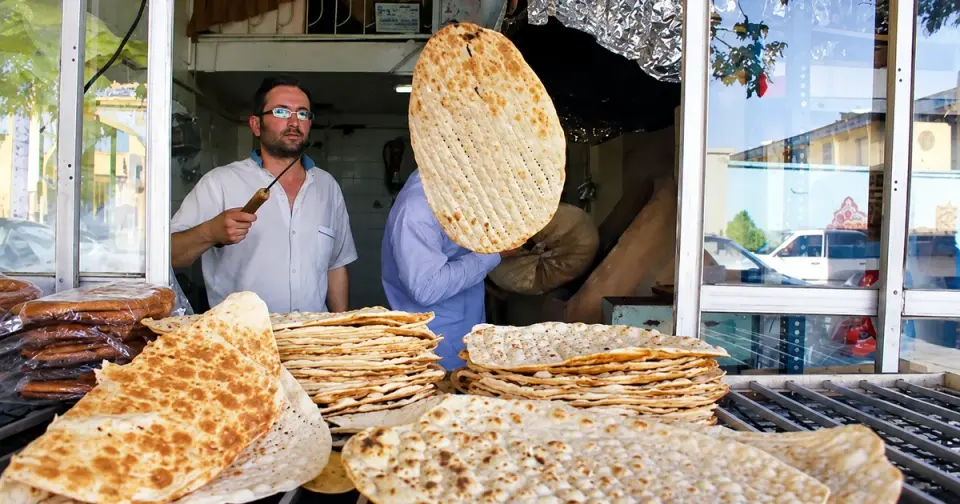
Iranian households are facing a severe economic crisis marked by hyperinflation, currency devaluation, and the necessity of buying basic goods on credit. The rial has lost over 63% of its value against the dollar since March 2026, with food inflation exceeding 127%. Residents in Tehran’s southern districts are queuing for chicken scraps and scavenging for food, while shopkeepers report that credit extensions are failing as customers cannot repay. The crisis is driven by a combination of US naval blockades, international sanctions, and domestic mismanagement, leading to a 'no war, no peace' status quo that is eroding long-term economic resilience.
Key points
- The Iranian rial hit an all-time low of 2.34 million per US dollar in early September 2026, having lost 63% of its value since March.
- Food inflation reached 127% year-on-year by late August, with basic items like bread and eggs becoming unaffordable for many.
- Shopkeepers in Tehran are increasingly refusing credit for groceries and bread as they cannot afford to replenish stock at rising prices.
- A 100% increase in fuel prices was implemented in September, with strict rationing and heavy security presence at gas stations to prevent unrest.
- The minimum monthly wage is approximately 166 million rials (around $70), while a single school bag costs 20 million rials (12% of the wage).
- Analysts warn that current 'resilience' is actually an 'erosion of resilience' as households reduce consumption and savings to survive.
Background
Iran has faced decades of high inflation and currency depreciation due to international sanctions and trade restrictions. The current crisis intensified following the US-Israel war that began in February 2026, which included naval blockades and intensified sanctions. Prior to the war, the economy had shown resilience, but the combination of conflict, a US naval blockade, and domestic mismanagement has led to an unprecedented economic shock. The government has attempted to manage the crisis with cash subsidies and food assistance, but these measures are insufficient to offset the rapid rise in prices.
How outlets are covering it
Iran International and Al Jazeera emphasize the immediate impact on daily life, such as buying bread on credit and queuing for chicken scraps, highlighting the shrinking purchasing power. Euronews provides a broader economic analysis, noting that while the government blames external pressure, domestic political figures like Hassan Ghashghavi admit that 35-65% of economic problems stem from internal mismanagement and corruption. Al Jazeera notes that the 'no war, no peace' status quo is causing households to focus on short-term survival rather than long-term planning, while Euronews highlights the impact on the gig economy and small businesses, where profit margins are being erased by rising costs. All sources agree that the economic situation is severe and unprecedented, but they differ in the emphasis on external vs. internal causes.
Why it matters
The economic crisis in Iran is not just a domestic issue but has regional and global implications. The collapse of the rial and hyperinflation are affecting the cost of living for 90 million Iranians, leading to potential social unrest. The US naval blockade and sanctions are part of a broader strategy to constrain Iran, but the economic pressure is also affecting other countries in the region, such as Iraq and Saudi Arabia, due to disruptions in oil flows and trade routes. The crisis also highlights the limits of economic resilience and the potential for long-term instability if the current situation persists.
What to watch
The government is expected to continue managing the crisis through cash subsidies and food assistance, but these measures are unlikely to offset the rapid rise in prices. The US and Iran are in a 'no war, no peace' status quo, with no clear path to a resolution. The economic situation is likely to worsen as the government struggles to manage the crisis and the international community continues to impose sanctions. The potential for social unrest is high, as the economic pressure is affecting all segments of society, from the poor to the middle class.
- Iranians buy bread on credit, queue for chicken scraps Iran International
- A dignified life is a ‘distant dream’ for many Iranian families amid US war Al Jazeera
- 'The country is falling apart': Iranians tell Euronews how war emptied their wallets Euronews.com
- Amid war and sanctions, many Iranians are losing their jobs and struggling to get by NPR
- Iranian Rial hits record low as economic fallout from war takes hold - report jpost.com
Want the full story? Read the original reporting
Read on Iran International