
Midterm Ballots Feature 145 Measures on Abortion, Wealth Taxes, and Voting Rules
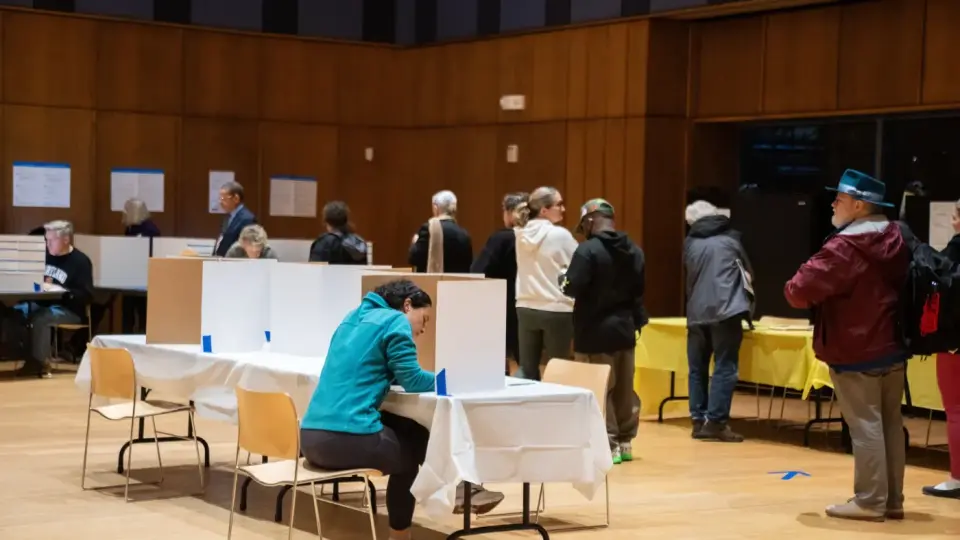
Voters in 39 states face 145 ballot measures this November, focusing on abortion, LGBTQ+ rights, taxation, and voting rules. Key issues include California’s proposed billionaire tax, transgender sports restrictions, and changes to voter ID and redistricting. Spending on these initiatives exceeds $400 million, with significant debate over the impact on state finances and civil rights.
Key points
- 145 statewide ballot measures are on the November ballot across 39 states, according to Ballotpedia.
- Abortion remains a central issue, with four states voting on measures to enshrine or restrict reproductive rights in their constitutions.
- California’s Proposition 40 proposes a one-time 5% wealth tax on billionaires to fund healthcare and education, facing opposition from some Democrats.
- Transgender rights are the most contested topic in history, with five states voting on sports eligibility and medical care for minors.
- Voter access measures include photo ID requirements in five states and citizenship mandates in six others, amid federal-state disputes over noncitizen voting.
Background
Since the 2022 Dobbs decision, state-level abortion debates have intensified, with Missouri previously nullifying a strict ban in 2024 before reintroducing the issue. Recent federal-state conflicts over noncitizen voting, such as the DOJ’s demand to sequester ballots in Washington, highlight ongoing tensions over voter eligibility. These ballot measures reflect a broader trend of states using direct democracy to address issues where legislatures are gridlocked.
How outlets are covering it
NPR emphasizes the breadth of ballot measures, noting common themes in abortion, taxes, and voting rights. ABC News highlights the specific impact on voter access, detailing photo ID laws and citizenship mandates, while also noting the DOJ’s recent actions in Washington. Politico focuses on the financial scale, citing $400 million in ad spending and the historical significance of transgender-related measures. All sources agree on the high stakes but differ in emphasis: NPR and ABC stress civil rights implications, while Politico underscores the political and financial dynamics.
Why it matters
These ballot measures could reshape state laws on reproductive rights, taxation, and voting access for years. The outcome of California’s billionaire tax and transgender sports restrictions may set precedents for other states. Voter access measures could influence turnout and eligibility, potentially affecting future elections. The high spending and national attention indicate these issues are becoming central to the political discourse.
What to watch
Voters will decide on these measures on November 3, 2026. The results will determine whether states adopt new taxes, restrict or expand rights, and change voting rules. Legal challenges may follow, particularly for measures like the Washington sports ban and the DOJ’s noncitizen voting demands. The outcomes could influence future federal policy and state legislative agendas.
- State ballots let voters decide on abortion, taxes, transgender restrictions NPR
- Billionaire tax, transgender rights and voter access among key midterm ballot measures ABC News - Breaking News, Latest News and Videos
- Billionaire taxes, trans rights, abortion, voting rights: This year’s biggest state votes Politico
- A guide to the key ballot measures voters will decide on Election Day PBS
- From transgender rights to a billionaire tax: Key midterm ballot measures Reuters
Want the full story? Read the original reporting
Read on NPR