
Arizona Border Reopens for Mexican Cattle, but Experts Doubt Price Relief
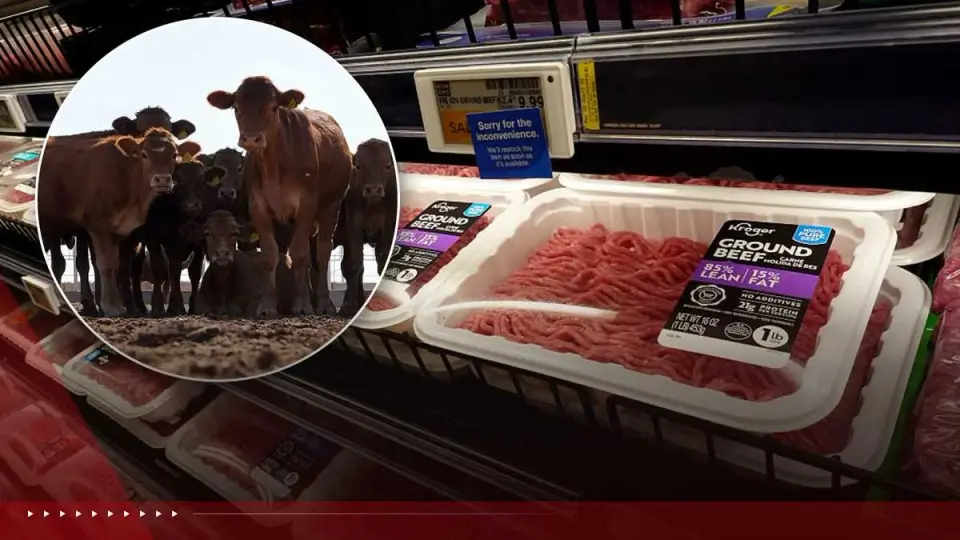
The US Department of Agriculture reopened a border crossing in Douglas, Arizona, to Mexican cattle on Monday, August 24, 2026. This move aims to address record-high beef prices and a shrinking domestic herd. However, agricultural economists argue that the phased reopening will not significantly lower consumer prices in the near term due to the small scale of initial imports and the long timeline required to rebuild the US cattle population.
Key points
- The USDA allowed cattle movement from Mexico at the Douglas, Arizona crossing, citing improved control of the New World screwworm in northern Mexican states like Sonora.
- President Donald Trump previously announced a 90-day, tariff-free import window for up to 331,000 tons of ground beef to combat high prices, which have risen 57% since 2021.
- The US cattle herd reached a 75-year low of 86.2 million head on January 1, 2026, driven by drought and low prices over the previous two decades.
- Economists note that Mexico traditionally supplies only about 3% of US cattle, and a phased reopening will take months to restore traditional import levels.
- Major meat processors like Tyson Foods and JBS USA have closed plants due to insufficient cattle supply, indicating structural constraints beyond just border closures.
Background
Recent archive coverage highlights that the Trump administration’s strategy to lower beef prices includes both border reopenings and temporary tariff-free imports. Previous reports from August 2026 indicated that while the administration claims these measures could cut prices by 25%, critics and ranchers warned that such actions might undermine long-term herd recovery. The current reopening is part of a broader effort to mitigate the impact of a historic cattle shortage, which has been exacerbated by the return of the New World screwworm to the US border in 2024 and 2025.
How outlets are covering it
WESH reports that while the border reopening is a symbolic step, economists like Derrell Peel from Oklahoma State University doubt it will impact grocery prices soon. Peel emphasizes that the US herd is at a historic low and rebuilding takes years. Meatingplace confirms the reopening in Arizona while noting that Texas crossings remain closed, highlighting the cautious, phased approach. Both sources agree that the New World screwworm remains a primary concern, with over 40 cases confirmed in southern Texas and southeastern New Mexico since 2024. The USDA and Senate Agriculture Committee Chair John Boozman support the move as a 'careful, science-based' step, whereas industry experts warn that the volume of imports is too small to offset the structural deficit in the US cattle population.
Why it matters
High beef prices have outpaced general food inflation, with ground beef rising from $4.39 to $6.89 per pound since 2021. The inability to quickly lower prices through imports threatens consumer budgets and political stability ahead of midterms. Furthermore, the closure of processing plants by major firms like Tyson and JBS signals a deepening supply chain crisis that may persist for years, regardless of border policy changes.
What to watch
The USDA plans to gradually reopen additional crossings in New Mexico and Texas as screwworm risks are further mitigated. Each animal will be inspected for the parasite before crossing. In the meantime, the administration will monitor the impact of the 331,000-ton ground beef import window. Analysts expect beef prices to remain elevated for several years as the US herd slowly rebuilds, with no significant price drops anticipated from the initial Arizona reopening.
- Will Mexican cattle imports lower US beef prices? Economists weigh in WESH
- USDA Admits First Cattle Imports Since Screwworm Response Began Civil Eats
- The US-Mexico cattle border is reopening. Not every American rancher is celebrating CNN
- Arizona Reopens But No Cattle Through Texas Border ‘Anytime Soon’ Meatingplace
- U.S. reopens cattle border as screwworm fight continues in Texas San Antonio Express-News
Want the full story? Read the original reporting
Read on WESH