Illinois food stamp enrollment dropped to a 13-year low in August 2026, reaching just 1.4 million recipients. While the state offers a $400 one-time payment to offset losses, its high payment error rate risks federal penalties and increased administrative costs.
The 17th annual 'Financial State of the States' report by Truth in Accounting (TIA) reveals a stark correlation between partisan control and fiscal health. Republicans control all five states with the largest surpluses, led by North Dakota, while Democrats control all five states with the deepest deficits, led by New Jersey. The report highlights that North Dakota’s surplus is driven by investment earnings despite lower energy revenues, whereas New Jersey faces a massive debt burden from unfunded pensions and retiree healthcare. The data suggests that states with unified Republican control tend to maintain stronger balance sheets, while those with unified Democratic control struggle with significant liabilities. This fiscal divide may influence voter sentiment ahead of the 2026 midterms, where economic performance is a key factor.
North Dakota ranked first in the 2026 Financial State of the States report, posting a $21 billion surplus and a per-taxpayer surplus of $72,300. This strong position contrasts sharply with 24 states facing deficits, driven largely by the state’s Legacy Fund and energy revenues.
Effective October 1, 2026, maximum monthly SNAP benefits increase slightly to offset inflation, while states assume a larger share of administrative costs. New federal rules also tighten eligibility verification, potentially reducing overall enrollment.
Record-high fuel costs, driven by the ongoing conflict with Iran, have prompted several U.S. states to consider suspending gas taxes ahead of the November 3 midterm elections. Georgia, Kentucky, and Indiana have already implemented cuts or suspensions, while Ohio and Massachusetts are actively debating similar measures. These moves aim to provide immediate relief to voters facing record diesel prices, though critics argue the financial impact on state budgets may outweigh the temporary savings for consumers.
Despite federal promises of discounted prices, most state Medicaid programs are rejecting the Trump administration's model for covering weight-loss drugs like Wegovy. Only Indiana has signed on, while 29 states opted out due to budget constraints. Coverage for these medications has shrunk as states fear unsustainable costs, leaving low-income patients without access to treatments that could prevent chronic diseases.
States expanding Medicaid say implementing the federal work requirements by the 2027 deadline will require tens of millions for new staff, overtime, and IT system upgrades, with limited federal help to cover costs. Nebraska has already begun enforcing the rules, while others weigh substantial ongoing expenses and potential cuts to other services as Republicans argue the policy could yield long-term savings despite limited near-term relief.
Amid rising pump prices driven by the Iran war and a tighter global energy market, governors from both parties are largely avoiding gas tax holidays, noting that past attempts in 2022 provided little relief and that state budgets are stretched. Economists say suspending gas taxes would likely deliver minimal savings and could strain transportation funding, making federal action the more plausible lever, even as political calculations differ by state.
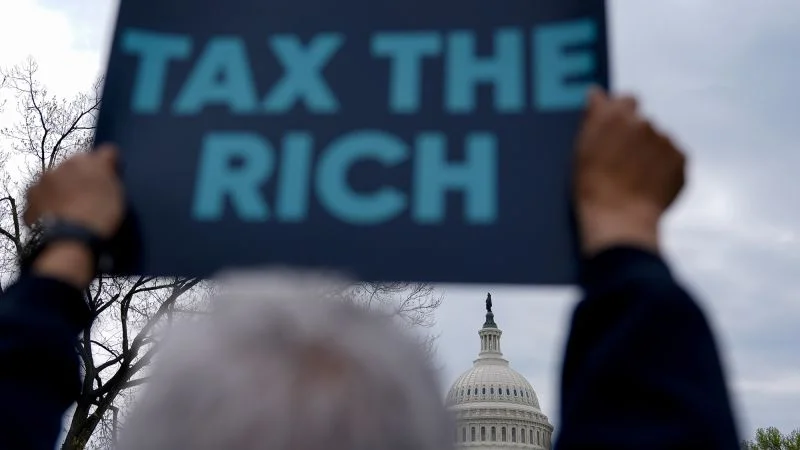
Faced with budget gaps, fourteen states consider raising taxes on the rich to fund schools and hospitals; Massachusetts cites the Fair Share Amendment as a successful example, while California’s Billionaire Tax Act proposes a one-time 5% wealth levy on net worth above $1 billion to raise roughly $100B. Critics warn such taxes could trigger capital flight and harm revenue, even as other states cut taxes or adopt flat-rate schemes, highlighting a broad but uneven national split on how to balance budgets.
CMS unveiled the first $10 billion of a five-year, $50 billion Rural Health Transformation program, distributing state grants from about $147 million to $281 million and adding a discretionary “technical score” portion that sparked questions about political influence. States must file revised budgets by Jan. 30 and wait for CMS approval before drawing funds; eight months remain to begin spending and demonstrate progress ahead of 2027 funding decisions. The money is intended to expand rural health access through telehealth, electronic health records upgrades, and workforce initiatives, while states also propose policy actions such as SNAP waivers, nutrition-related programs, fitness tests, and potential certificate-of-need reforms. Critics caution some funds could bypass rural hospitals, but CMS says the program is designed to be flexible to local needs and states are setting up offices and advisory groups to manage disbursement and oversight.
Trump escalates a political tactic by portraying blue states as rife with fraud, using this narrative to justify withholding federal funds (such as child-care money) and launching fraud-enforcement actions, prompting lawsuits from California, New York and others while Democrats push back and eye long-term budget implications.
As federal Obamacare subsidies expire, some states like New Mexico are covering the costs, while others like Georgia refuse, leading to potential coverage gaps and increased premiums, especially impacting rural hospitals and uninsured populations. States are debating whether to fill the gap themselves, with some viewing it as a matter of life or death.
Blue-state leaders are considering special legislative sessions to address significant financial shortfalls caused by President Trump's new law, which cuts Medicaid and food aid benefits, shifting costs to states and risking coverage for millions, especially in rural areas and states that expanded Medicaid.
States are preparing for significant financial and administrative challenges following President Trump's signing of a new domestic policy law, which shifts federal responsibilities for health care, food aid, and other programs onto them, potentially leading to budget shortfalls, program cuts, and increased administrative burdens.
Senate Republicans are considering adding a provision to President Trump's tax bill that would significantly cut federal Medicaid funding for new beneficiaries in states that expanded Medicaid under the ACA, potentially impacting hospitals and state budgets, though the proposal faces obstacles and is no longer under active consideration according to some senators.