
Heating oil costs surge 50% as LIHEAP benefits lag behind rising energy bills
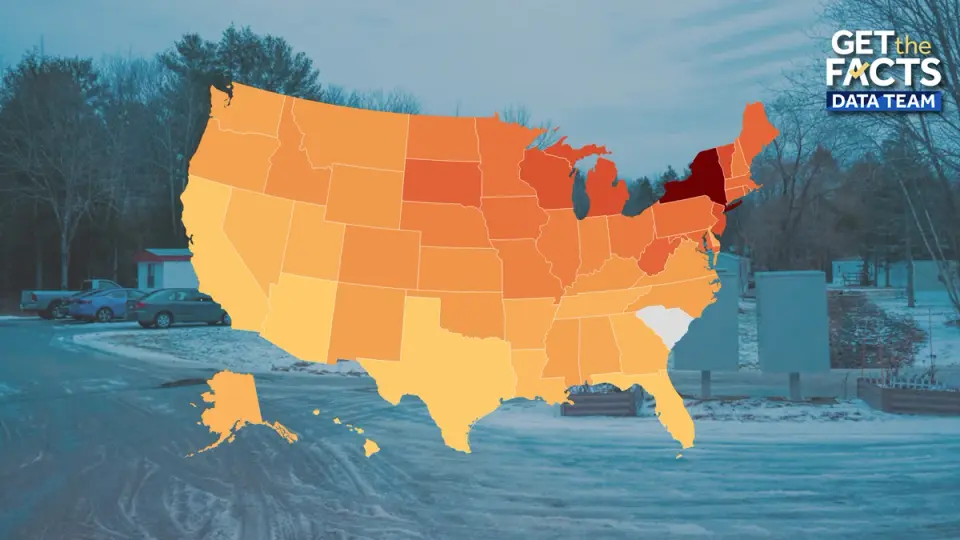
U.S. households face a 50% jump in heating oil costs this winter, driven by Middle East conflict and oil prices above $100 per barrel. While average heating costs rise to $1,030, LIHEAP benefits remain around $467, leaving low-income families with a shortfall of over $500. NEADA urges Congress to increase funding from $4 billion to $7 billion to address the crisis.
Key points
- Average U.S. heating costs are projected at $1,030, an $82 increase from last winter, according to NEADA.
- Heating oil costs are expected to rise by 50%, reaching $2,627 in the Northeast, up from $1,749.
- The average LIHEAP benefit in fiscal year 2025 was $467, leaving a gap of over $500 for many households.
- Crude oil prices remain above $100 per barrel due to the ongoing conflict in the Middle East.
- NEADA is requesting a $3 billion increase in LIHEAP funding, raising the total to $7 billion.
Background
In September 2026, NEADA initially projected a 9% rise in heating costs, with heating oil increasing by 31%. However, escalating geopolitical tensions led to a revision of these estimates in late September, significantly raising the projected costs for heating oil. This shift highlights the rapid volatility in energy prices due to global supply disruptions.
How outlets are covering it
NEADA and USA Today emphasize the severe financial strain on low-income families, noting that a 50% cost increase is unmanageable for those on fixed incomes. WMTW highlights the political response, with Sen. Susan Collins supporting Gov. Janet Mills' calls for increased funding while also advocating for alternative heating sources like natural gas pipelines. WTAE focuses on the regional disparity, noting that Vermont and Maine face the sharpest increases, with costs rising by 77% in those states. All sources agree that the Middle East conflict is the primary driver of the price surge, but they differ in emphasis: NEADA focuses on the funding gap, while WMTA highlights legislative and infrastructure solutions.
Why it matters
The widening gap between heating costs and assistance benefits threatens the financial stability of millions of low-income households. If funding is not increased, families may face utility shut-offs, reduced food and medicine budgets, or unsafe heating conditions. The situation also has potential political implications, as rising energy costs could influence midterm elections.
What to watch
Congress is expected to debate the proposed increase in LIHEAP funding. Applications for assistance remain open until funds are exhausted. Households are advised to budget for higher costs and explore energy efficiency measures. The situation may evolve if oil prices fluctuate further due to geopolitical developments.
- LIHEAP heat benefits may fall short as winter bills jump, new data shows WPBF
- Sen. Susan Collins responds to Gov. Janet Mills' calls to approve increased LIHEAP funding WMTW
- Use heating oil in the winter? Expect your bill to be $900 more WTAE
- Why millions of Americans may have no warm winter nights this year USA Today
- Gov. Mills calls on Congress for additional funding for home heating assistance WGME
Want the full story? Read the original reporting
Read on WPBF